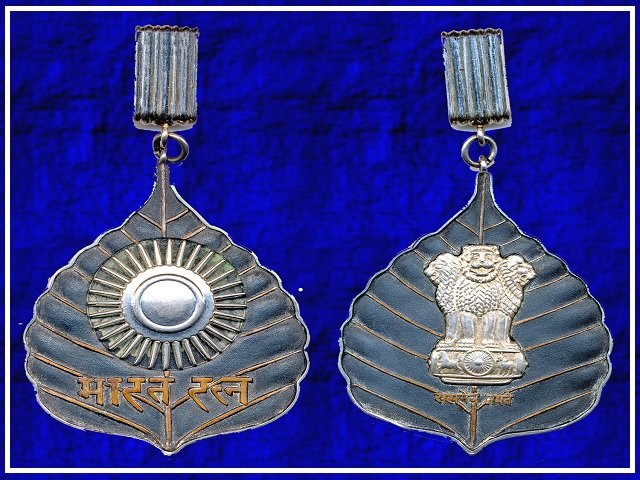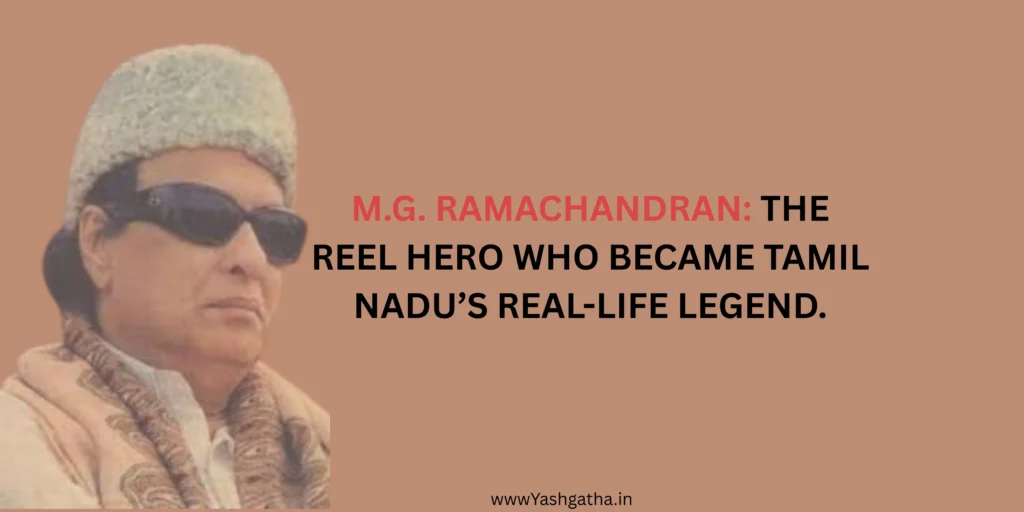
M.G. Ramachandran (MGR), the Bharat Ratna awardee of 1988, was a celebrated actor-turned-politician from Tamil Nadu whose life bridged the worlds of cinema and politics, inspiring millions through his compassion and leadership. M.G. Ramachandran, fondly called MGR, was not just a film icon but a revolutionary leader of Tamil Nadu. Awarded the Bharat Ratna (1988), his life story is a timeless blend of art, politics, and humanity that redefined leadership in India.
Early Life & Challenges :
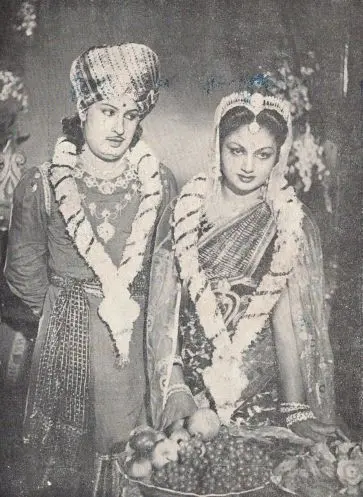
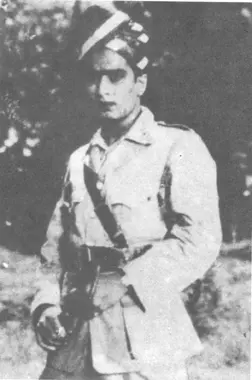
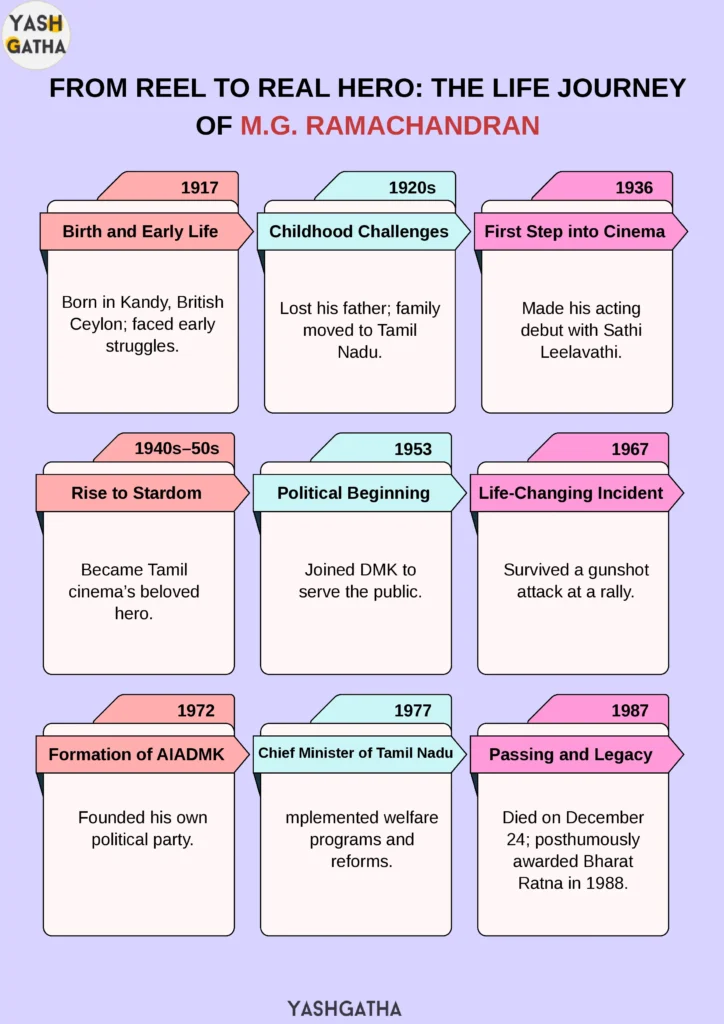
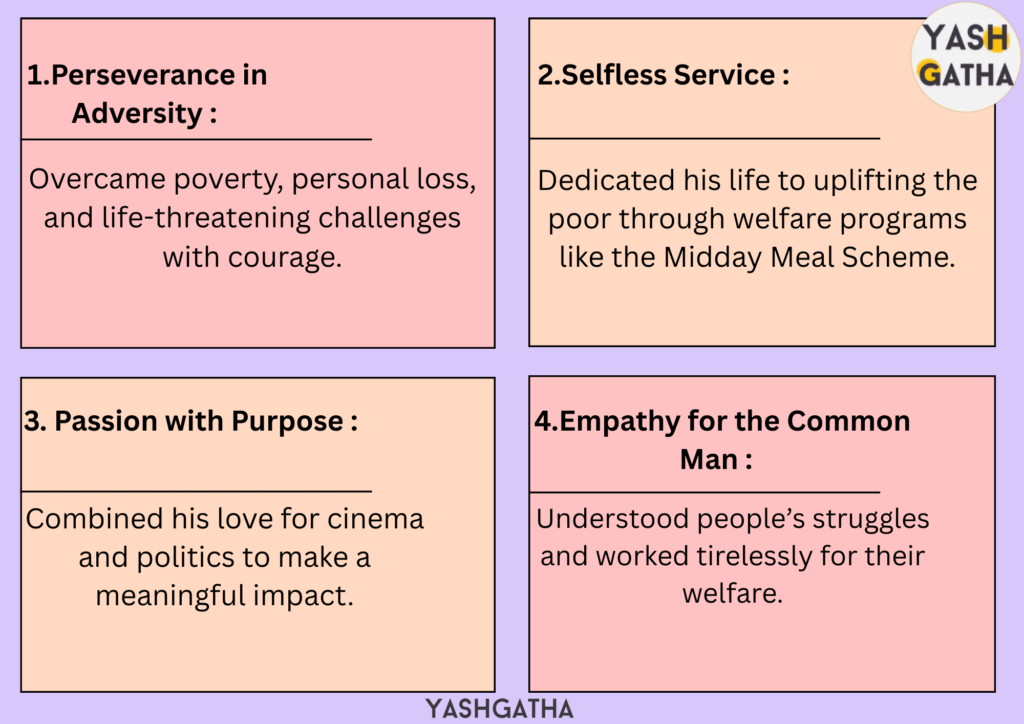
Born on January 17, 1917, in Kandy, British Ceylon (now Sri Lanka), Marudhur Gopalan Ramachandran, fondly known as M.G. Ramachandran or MGR, came from a humble background. His early years were marked by hardship, struggle, and resilience. After his father’s untimely death, MGR’s family faced severe financial difficulties and moved to Madurai, Tamil Nadu, in search of stability. Despite the odds, MGR’s mother, Sathyabhama, remained his greatest pillar of strength. Her determination to educate and uplift her children shaped his values of compassion and perseverance.
As a child, MGR showed a keen interest in acting and drama. To support his family, he joined a local theatre troupe, the Madurai Original Boys Company, at a very young age. His life in theatre was tough — filled with long rehearsals, low pay, and little recognition — yet he never gave up. Every challenge he faced only strengthened his will to succeed. From performing minor roles on dusty village stages to eventually becoming a superstar of Tamil cinema, MGR’s rise was built on sheer determination, discipline, and dedication. His struggles in childhood taught him the value of service and empathy, which later became the cornerstone of his political philosophy.
Turning Point:
The Recognition & Award :
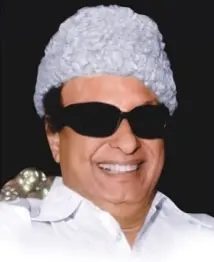
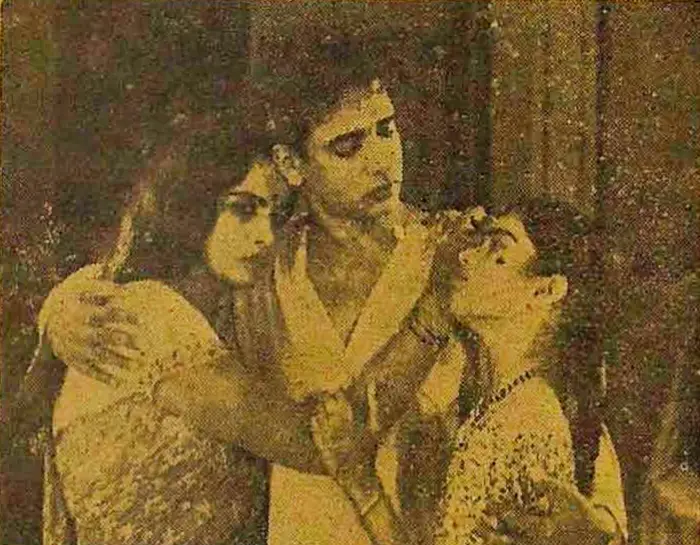
M.G. Ramachandran, famously known as MGR, was not only a legendary actor who captured the hearts of millions through Tamil cinema but also a visionary leader whose contributions to society and politics earned him immense respect and admiration. Over his lifetime, he received numerous accolades that recognized both his artistic excellence and his unwavering commitment to public service. In the world of cinema, MGR was celebrated as one of the most popular and influential actors in Tamil Nadu, receiving awards and honors for his iconic performances in films that often carried social messages and moral values. His ability to portray characters of integrity, courage, and compassion made him a role model both on and off the screen.
Beyond cinema, MGR’s political and social contributions were widely acknowledged. He pioneered welfare initiatives like the Midday Meal Scheme, promoted education, healthcare, and women’s empowerment, and implemented programs to uplift the underprivileged, earning him recognition as a compassionate and visionary leader. The pinnacle of his honors came in 1988, when he was posthumously awarded the Bharat Ratna, India’s highest civilian award, recognizing his extraordinary lifetime contributions to cinema, politics, and social welfare. This award not only celebrated his personal achievements but also immortalized his legacy as a hero who dedicated his life to the service of others.
MGR’s recognitions and awards were a reflection of the deep connection he shared with the people, the respect he commanded in cinema and politics, and the enduring impact of his life’s work, ensuring that he remains a beloved figure in Indian history for generations to come.
What Changed After the Awards :
After receiving numerous recognitions and the prestigious Bharat Ratna (posthumously in 1988), M.G. Ramachandran’s life and legacy saw profound transformations that extended his influence far beyond cinema and politics. Here’s how his awards and recognition impacted him and Tamil Nadu:
- Expanded Social Welfare Initiatives: His recognition strengthened his vision to implement welfare programs like the Midday Meal Scheme, free healthcare, and housing projects for the poor.
- Healthcare Reforms: Inspired by public support, he promoted better access to medical facilities, including mobile clinics and subsidized treatment for underprivileged communities.
- Focus on Education: Education schemes gained momentum, ensuring children from all backgrounds received meals and school supplies to continue learning without hardship.
- Women and Child Empowerment: Programs targeting women’s education, employment, and safety became more prominent, cementing MGR’s reputation as a people-first leader.
- Cultural Influence: His cinematic legacy became even more celebrated, inspiring future generations of actors and filmmakers who admired his dedication to socially relevant films.
- Political Strength: Awards and public recognition increased his credibility and popularity, helping AIADMK solidify its position as a dominant political force in Tamil Nadu.
- Everlasting Public Love: MGR’s bond with the people grew stronger, making him an enduring icon of compassion, leadership, and service.
- Legacy Preservation: His posthumous accolades, especially the Bharat Ratna, ensured that his contributions in both cinema and politics were immortalized in Indian history.
Yashgatha Takeways:
Related posts:
 Chewang Rinchen: The Real-Life Hero of Ladakh Who Won the Maha Vir Chakra Twice
 The Inspiring Life of Dr. Zakir Husain: How a Young Educator Became India’s First Muslim President
 Albert Ekka: The Tribal Warrior Who Became India’s Param Vir Chakra Legend
 Lieutenant Manoj Kumar Pandey: India’s Fearless Soldier Who Became a Legend in Kargil