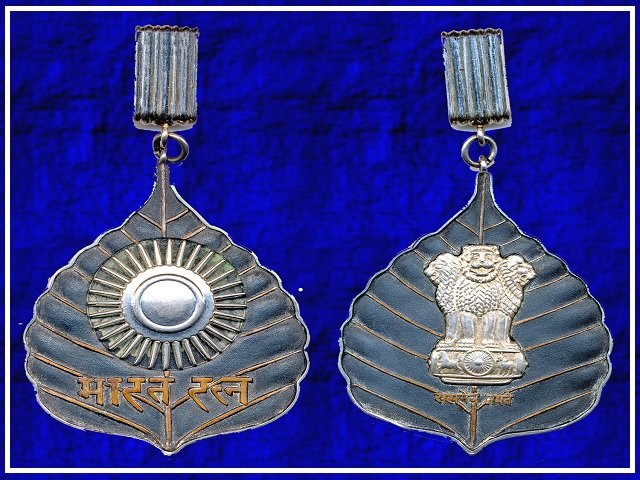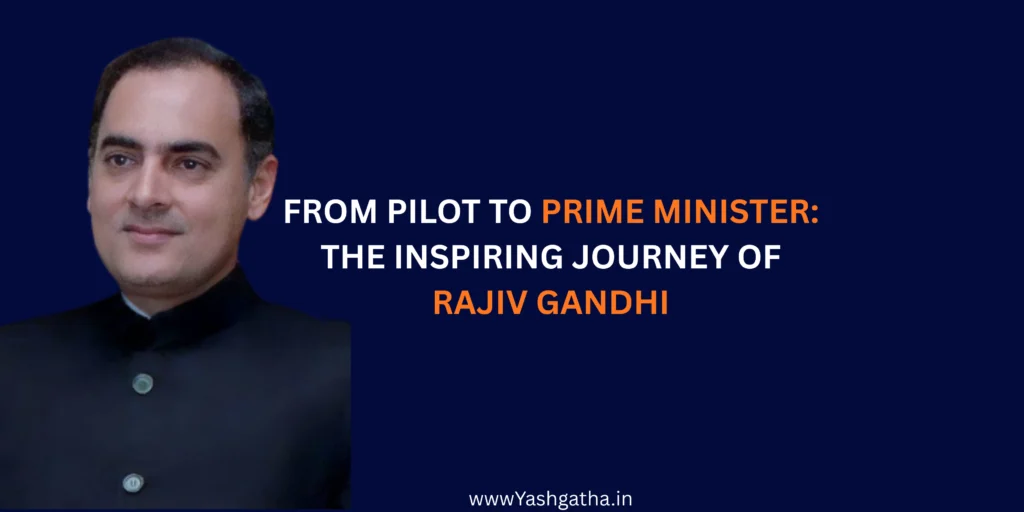
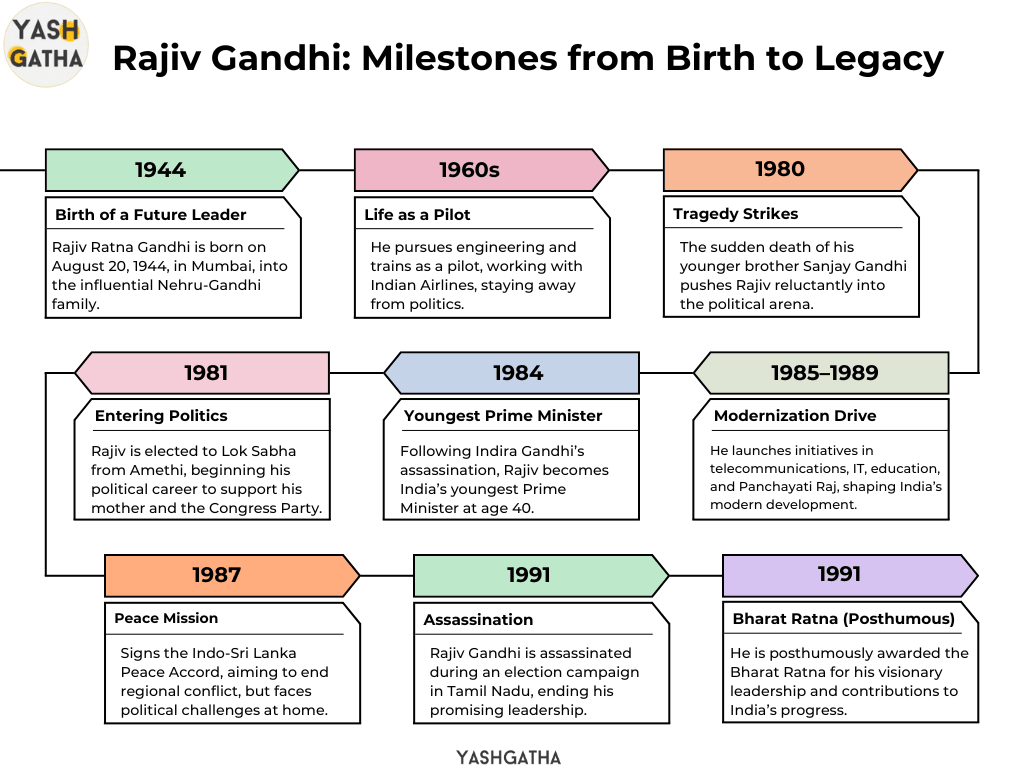
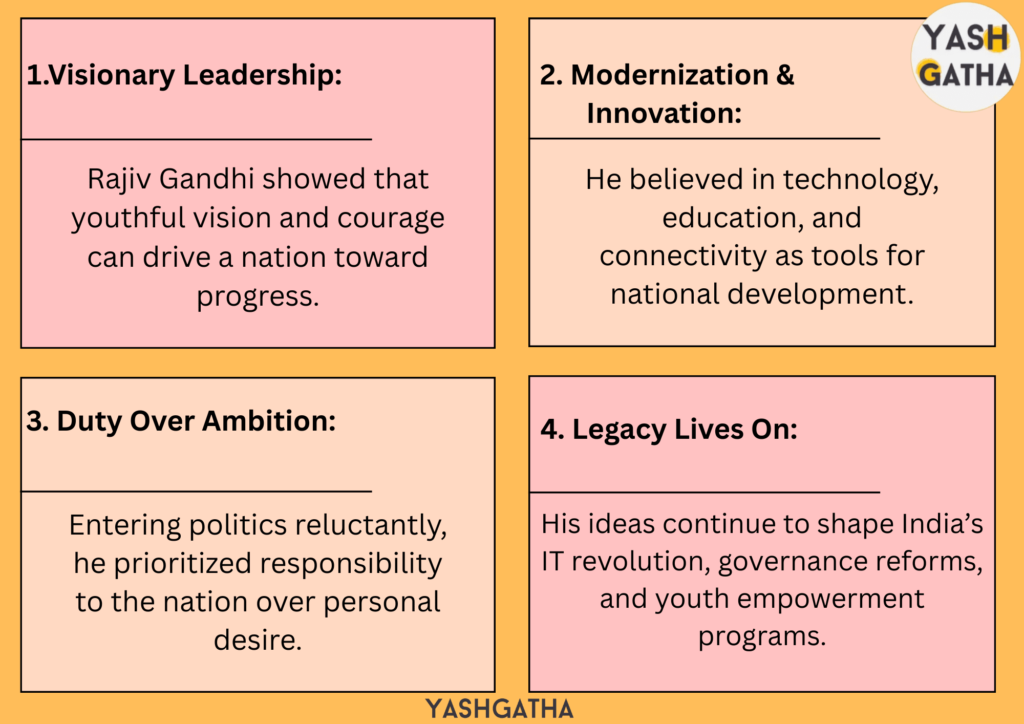
Rajiv Ratna Gandhi, born in Mumbai, Maharashtra, was India’s youngest Prime Minister and a visionary leader who received the Bharat Ratna in 1991 for his remarkable contribution to the nation’s political modernization, education, and technology revolution. Known for his belief that “Development is about people, not just progress,” Rajiv Gandhi reshaped India’s path toward a digital and progressive future.
Rajiv Gandhi, India’s youngest Prime Minister, transformed the nation with his vision for a modern, digital, and united India. From a humble airline pilot to the country’s leader, his journey was marked by destiny, tragedy, and determination. He brought computers, technology, and fresh hope to millions, laying the foundation for the IT revolution that powers India today.
Early Life & Challenges:
Rajiv Ratna Gandhi was born on August 20, 1944, in Bombay (now Mumbai) to Feroze Gandhi and Indira Gandhi, who later became India’s first and only woman Prime Minister. Though he was born into India’s most powerful political family, Rajiv preferred a quiet, private life away from politics.

He completed his early education in Doon School, Dehradun, and later went on to study engineering at Trinity College, Cambridge, and Imperial College, London. However, he returned to India without completing his degree and chose to follow his passion for aviation, joining Indian Airlines as a pilot.
Rajiv Gandhi’s life took a tragic turn in 1980, when his younger brother Sanjay Gandhi, who was being groomed as Indira Gandhi’s political successor, died in a plane crash. This devastating loss changed Rajiv’s destiny — he was reluctantly drawn into politics to support his grieving mother and stabilize the Congress Party.
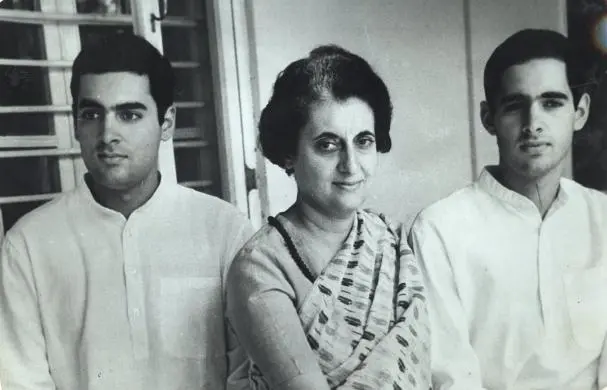
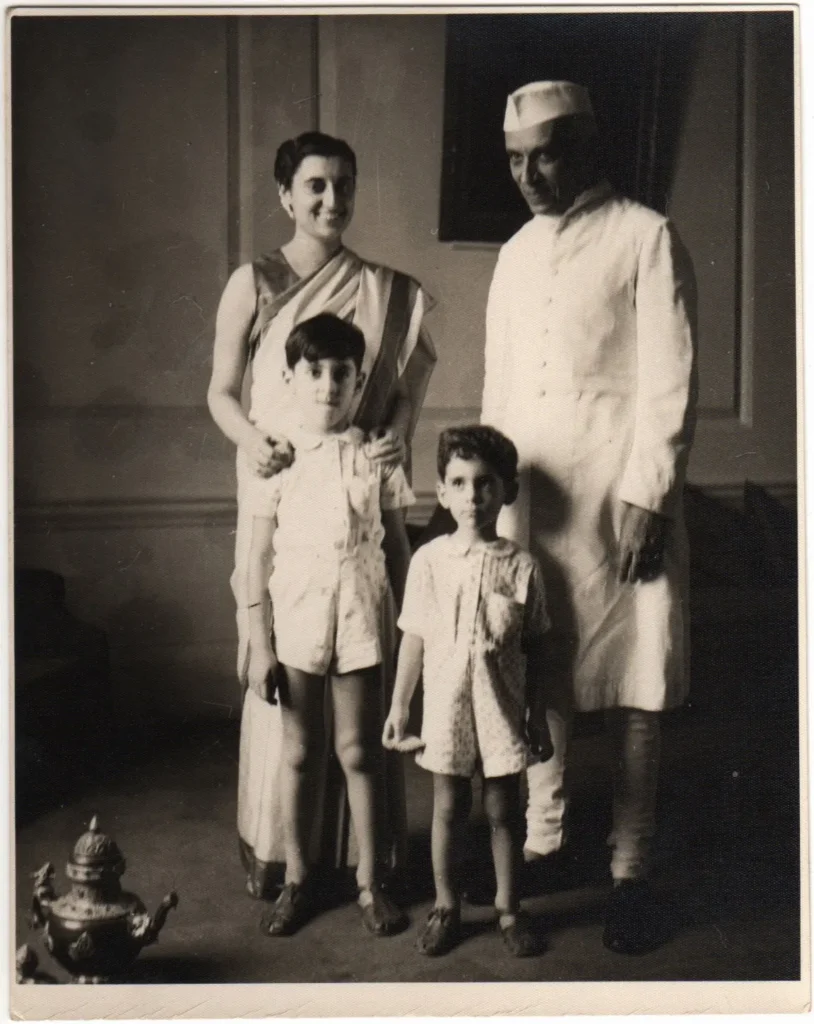
Though he faced skepticism and criticism from political veterans for his lack of experience, Rajiv’s calm demeanor, intelligence, and sense of duty soon won public admiration. He entered politics not out of ambition, but out of responsibility — a theme that would define his entire journey.
The Turning Point:
The Recognition & Award:
Rajiv Gandhi’s visionary leadership and dedication to modernizing India were recognized with the Bharat Ratna, India’s highest civilian honor, posthumously in 1991. The award acknowledged his contributions to the nation, including:
- Technology & IT Revolution: Pioneered computerization in government offices, laying the foundation for India’s digital future.
- Telecommunication Expansion: Improved nationwide connectivity, bringing rural and urban India closer.
- Youth & Education Initiatives: Advocated for modern education, empowering the younger generation.
- Peace & Governance: Efforts in Indo-Sri Lanka peace talks and strengthening democratic processes.
What Changed After the Award:
Although Rajiv Gandhi was awarded the Bharat Ratna posthumously in 1991, his legacy continued to influence India in many ways:
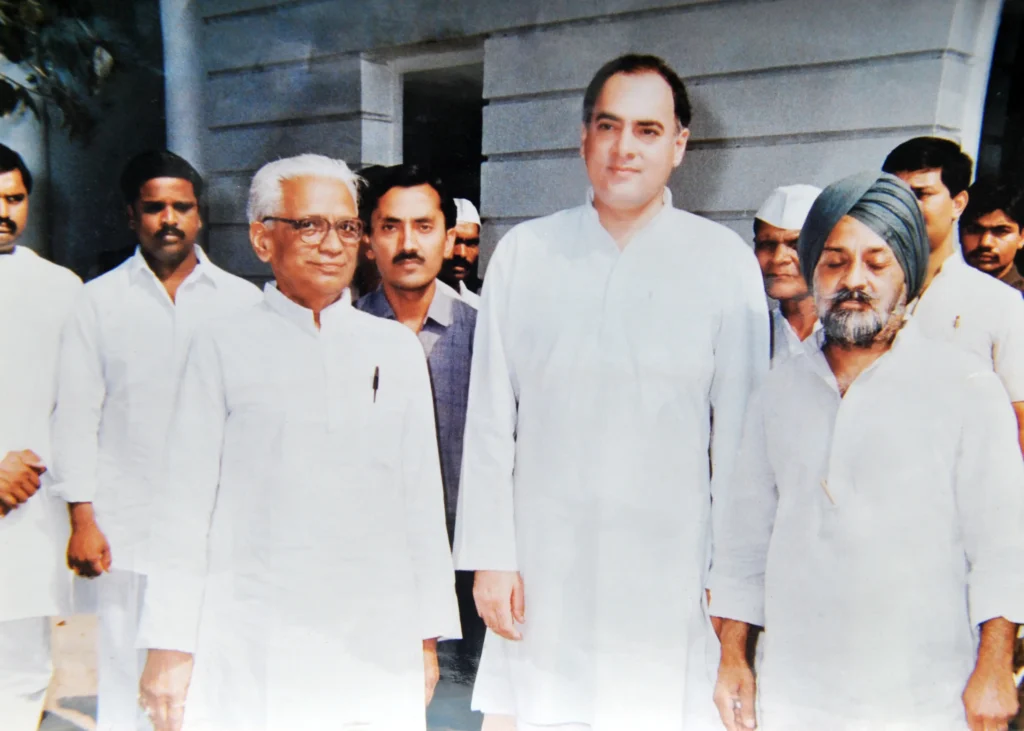
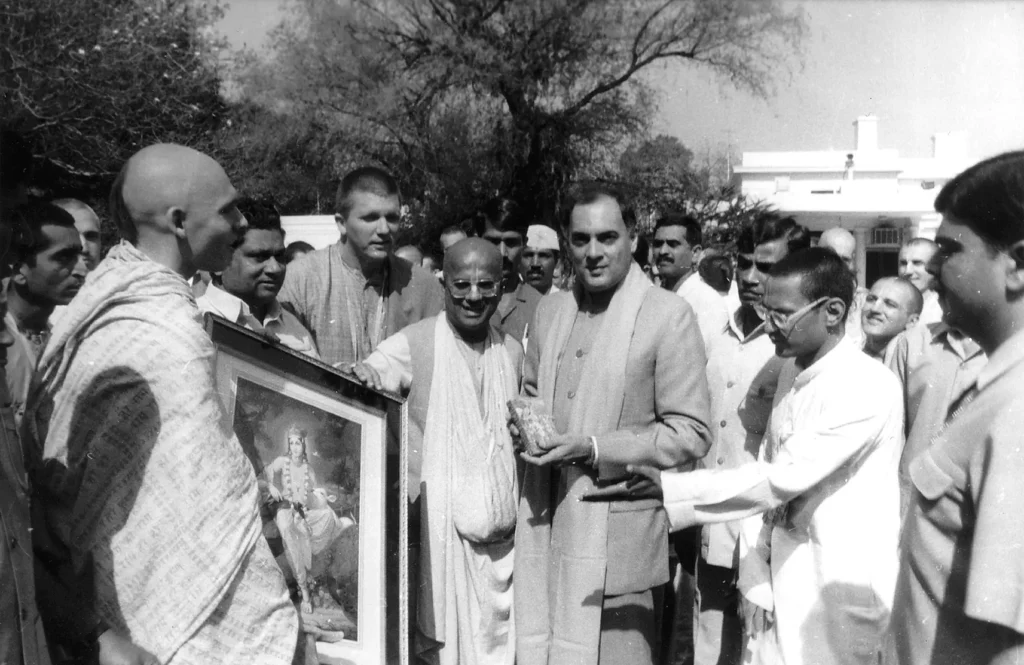
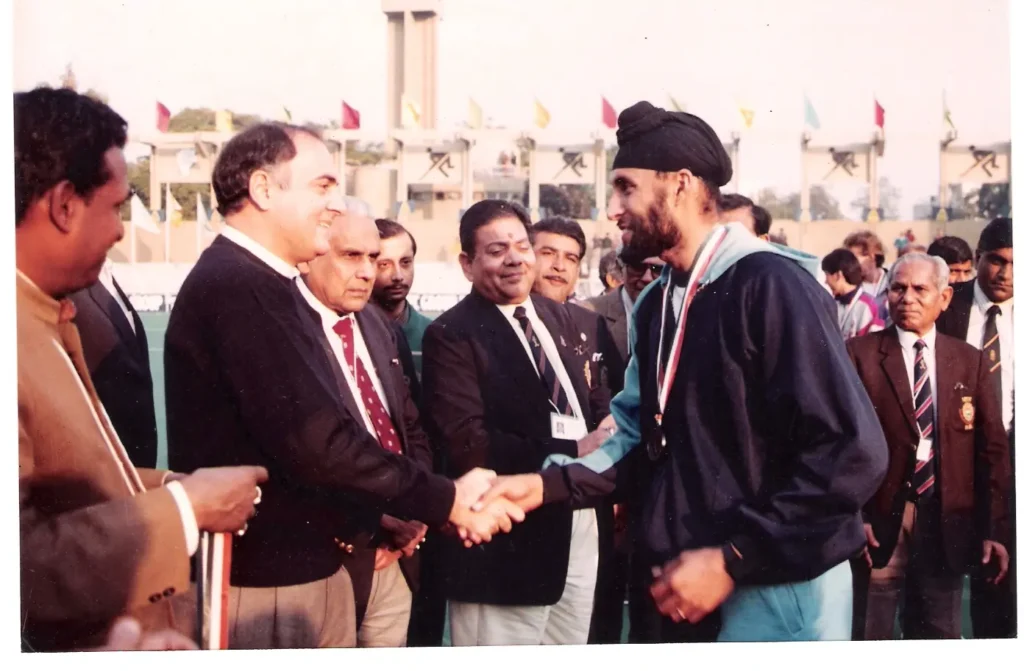
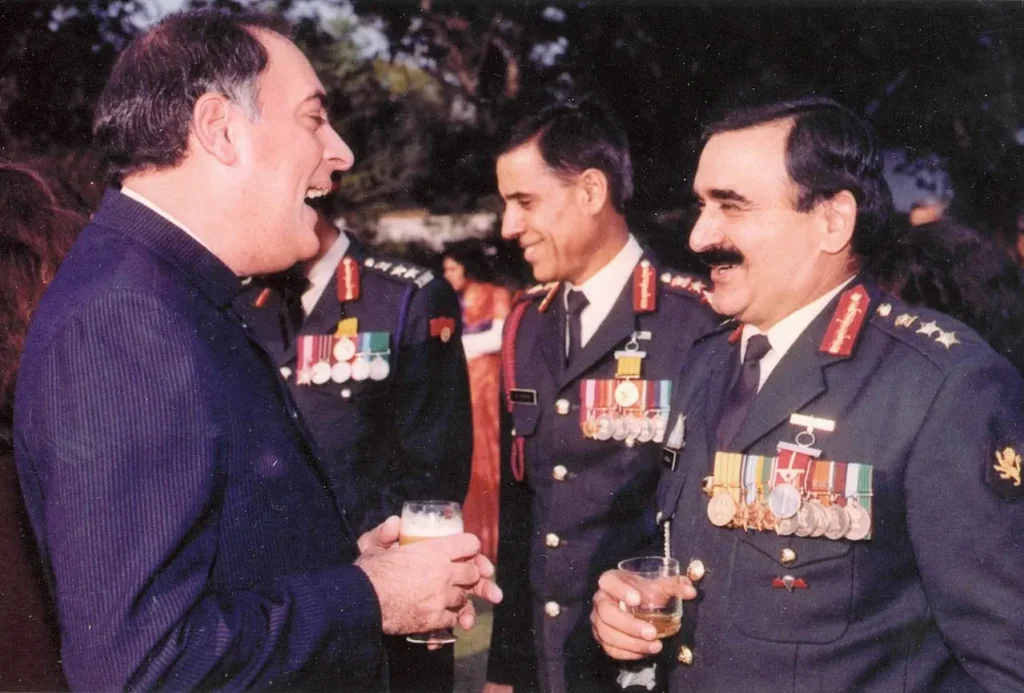
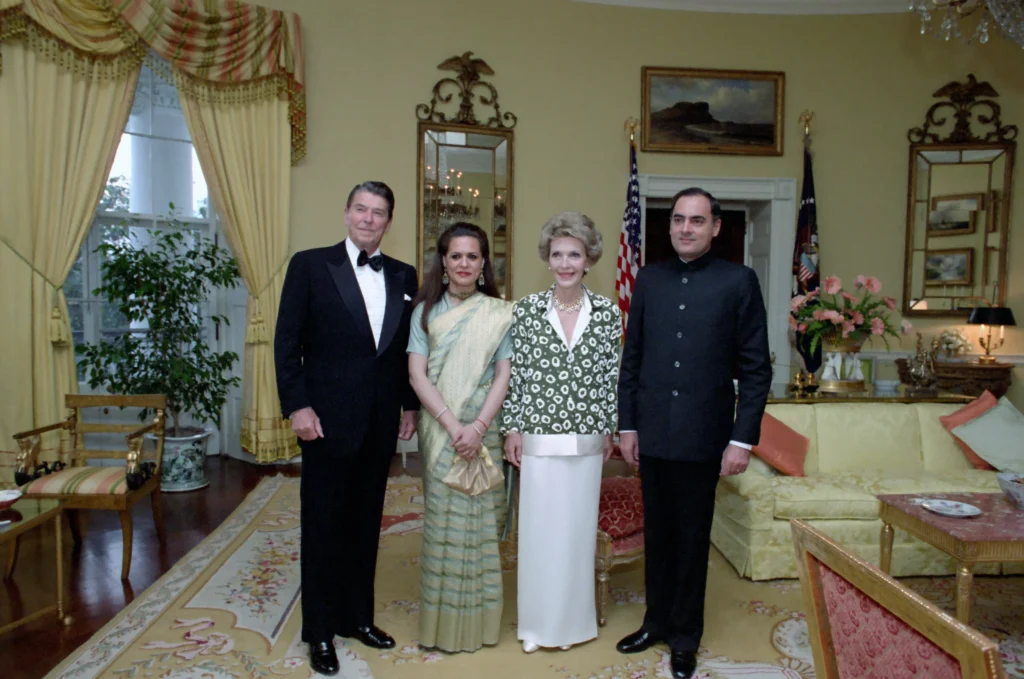
- Digital India Foundations: His push for computerization and IT inspired the country’s technology boom.
- Telecom & Connectivity: Expansion of telecommunications networks continues to connect rural and urban India.
- Youth & Education Empowerment: Programs initiated during his tenure still guide education reforms and skill development.
- Women’s Representation: His policies for Panchayati Raj and local governance helped empower women in politics.
- Peace & Diplomacy: Efforts in regional peace inspired future leaders and conflict resolution initiatives.
- Enduring Institutions: The Rajiv Gandhi Foundation and National Sadbhavana Award continue his vision for social welfare.
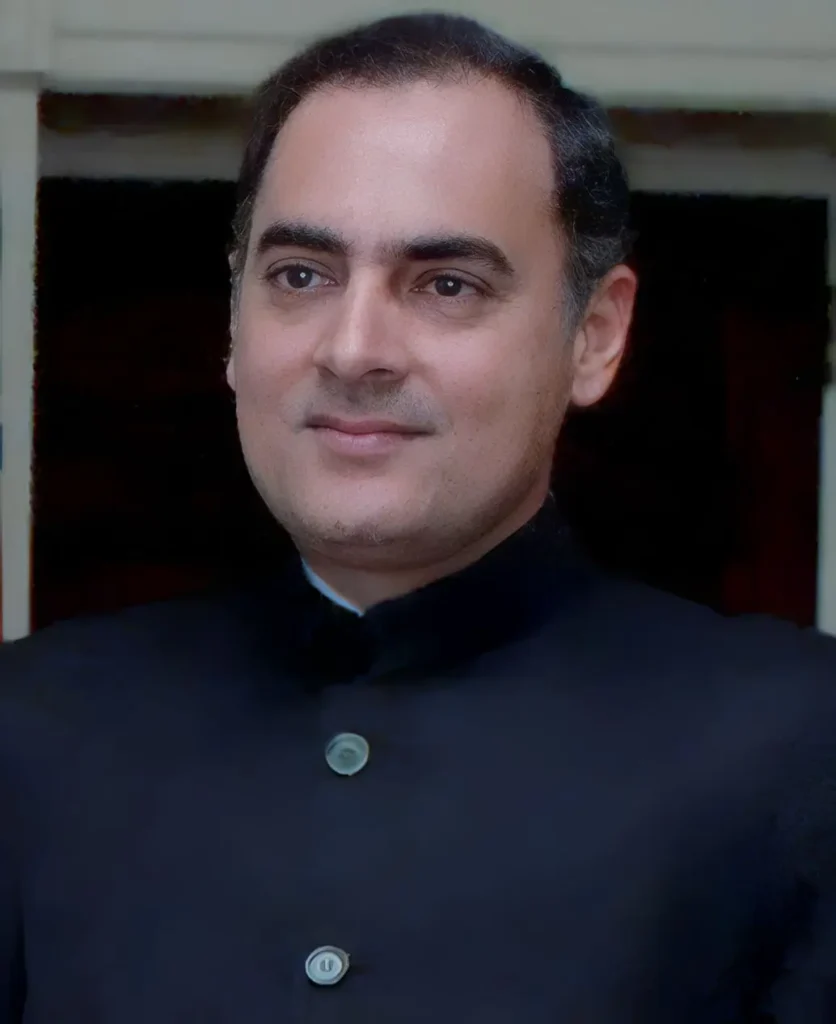
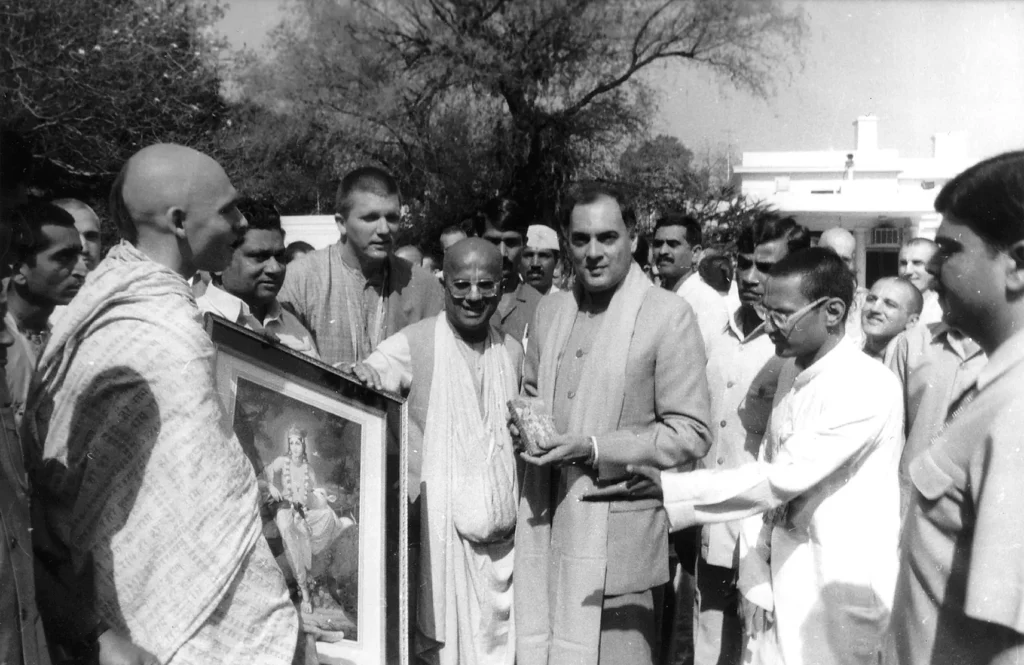
Yashgatha Takeways:
Related posts:
 Gulzarilal Nanda: The Forgotten Prime Minister Who Held India Together Twice
 From Teacher to President: The Inspiring Journey of Dr. Radhakrishnan
 Indira Gandhi Biography: Untold Story of India’s Iron Lady Who Changed World Politics
 From Palampur to Param Vir Chakra: The Inspiring Journey of Captain Vikram Batra