Satyajit Ray was an iconic Indian filmmaker, writer, and composer born in Kolkata, West Bengal, whose genius transformed the landscape of world cinema. Known for his humanistic storytelling and visual poetry, Ray created masterpieces that reflected the soul of India, the most famous being Pather Panchali, Aparajito, and Apur Sansar—collectively known as The Apu Trilogy. His films bridged art and reality, portraying ordinary lives with extraordinary depth. In 1992, he received the Honorary Academy Award (Oscar), becoming the first Indian filmmaker to be globally recognized for lifetime achievement in cinema.

Beyond films, he was also a talented author, illustrator, and music composer, celebrated for his versatility and creative vision. As Ray once beautifully said, “Cinema’s language should be universal, just like the smile or the tear.” His legacy continues to inspire generations of filmmakers and storytellers around the world.
Satyajit Ray, the legendary filmmaker from Kolkata, transformed Indian cinema with his timeless storytelling and humanist vision. From directing Pather Panchali on a shoestring budget to receiving an Honorary Oscar, Ray’s journey is one of passion, perseverance, and pure genius. His films spoke a universal language — simplicity, truth, and emotion — making him not just a director, but a global icon of cinematic art.
Early Life & Challenges :
Satyajit Ray was born on May 2, 1921, in Kolkata (then Calcutta), West Bengal, into a family known for its rich literary and artistic heritage. His grandfather, Upendrakishore Ray Chowdhury, was a renowned writer, illustrator, and publisher, while his father, Sukumar Ray, was one of Bengal’s most beloved humorists and poets. Despite this creative lineage, Ray’s childhood was marked by hardship — his father passed away when he was just three years old, leaving the family in financial difficulty.
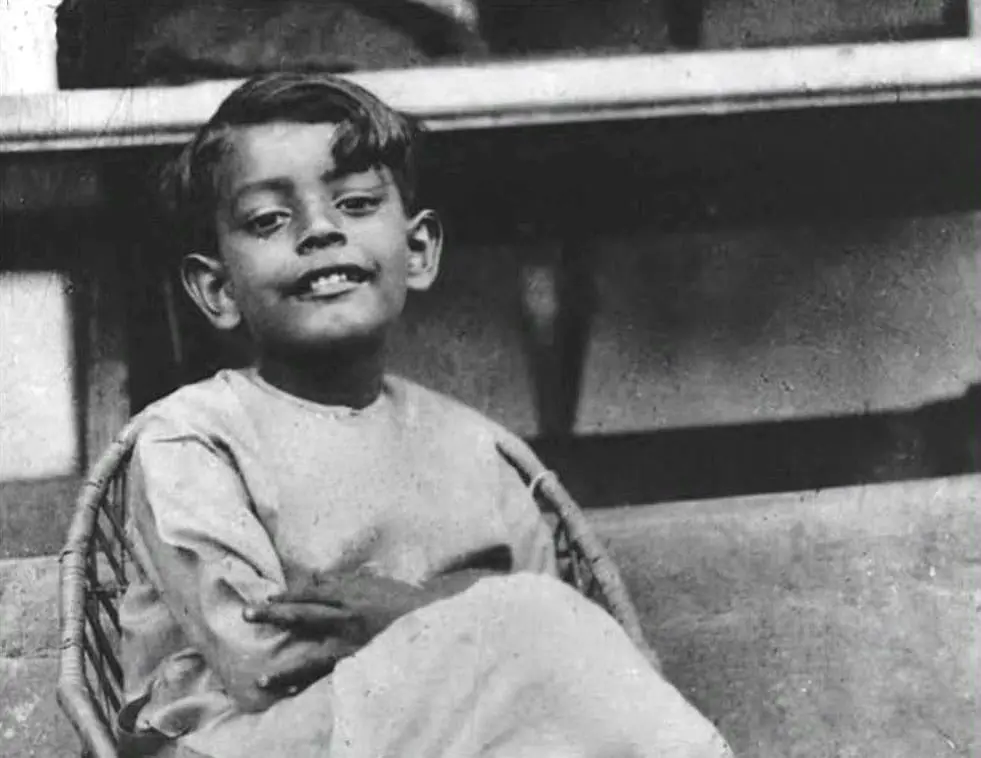
Ray’s mother, Sujata Ray, raised him single-handedly, instilling in him discipline, curiosity, and a deep appreciation for art and literature. From a young age, he showed a natural talent for drawing and an intense love for books, music, and cinema. He studied at Ballygunge Government High School and later graduated from Presidency College, Kolkata, with a degree in economics.
However, life took a challenging turn when Ray’s family struggled to make ends meet, forcing him to find stability through a career in commercial art. He joined D.J. Keymer, a British advertising agency, as a junior visualizer — a job that honed his skills in design, composition, and storytelling. Yet, beneath the corporate routine, Ray’s creative spark burned bright.
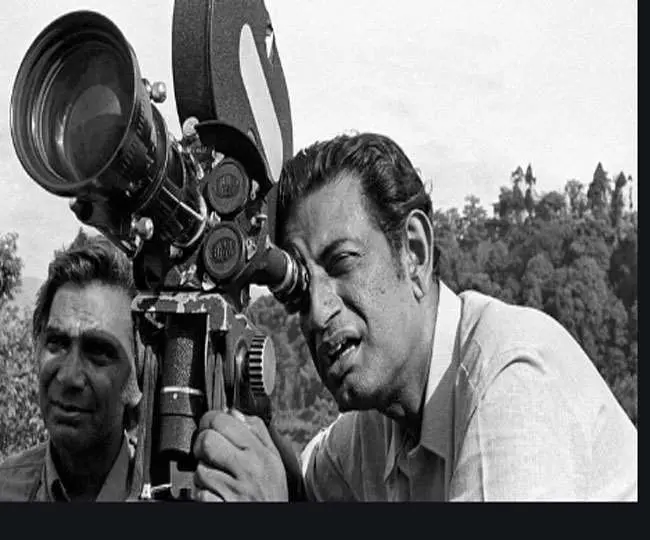
He later joined Visva-Bharati University, founded by Rabindranath Tagore, where exposure to world art, culture, and philosophy deeply influenced his outlook. Despite facing skepticism, limited resources, and no formal training in filmmaking, Ray nurtured a dream — to make cinema that mirrored real life.
His biggest challenge came while making his debut film, Pather Panchali (1955). With no financial backing, an inexperienced crew, and personal risks, Ray poured everything he had into the project. Against all odds, the film became a global masterpiece, winning 11 international awards, and marking the rise of a cinematic legend who believed that authenticity triumphs over adversity.
The Turning Point :

The Recognition & Award :
Satyajit Ray’s contribution to cinema was celebrated both in India and across the world. His first major recognition came with his debut film, Pather Panchali (1955), which won 11 international awards, including the Best Human Document at the Cannes Film Festival. This remarkable achievement placed Indian cinema on the global stage for the very first time.
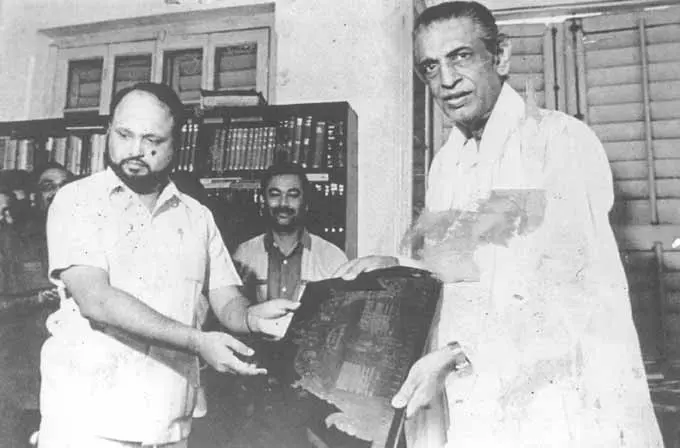
Over the years, Ray continued to create films that won critical acclaim, such as Aparajito, Charulata, The Music Room (Jalsaghar), and The Chess Players (Shatranj Ke Khilari). His artistic brilliance earned him 32 National Film Awards, along with numerous international honors including the Golden Lion at Venice, the Silver Bear at Berlin, and the Hommage à Satyajit Ray at the Cannes Film Festival.
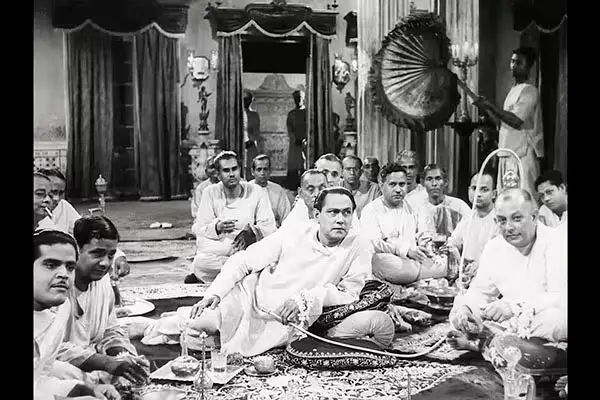
The pinnacle of his recognition came in 1992, when the Academy of Motion Picture Arts and Sciences honored him with the Honorary Academy Award (Oscar) for Lifetime Achievement — making him the first Indian filmmaker to receive this prestigious honor. Due to his ill health, the Oscar was presented to him at his home in Kolkata, where he gave a heartfelt speech broadcast worldwide.
In that emotional moment, Ray said,
“It’s been a memorable experience to be recognized by the film community of the world. I feel deeply honored.”
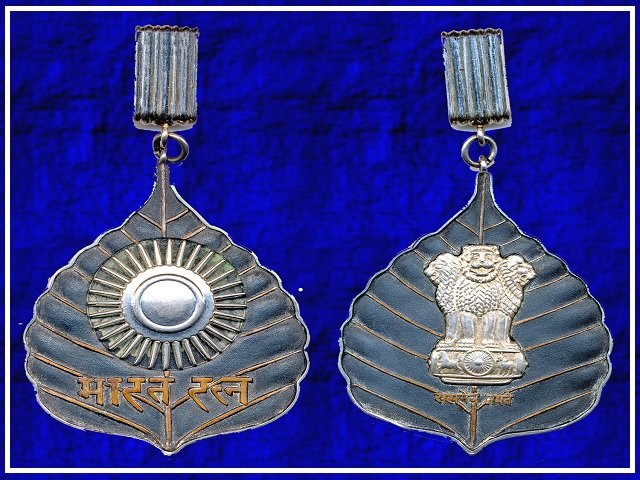
That same year, he was also awarded the Bharat Ratna, India’s highest civilian honor. These recognitions crowned a lifetime of artistic excellence and global influence, forever etching Satyajit Ray’s name in the history of world cinema.
What Changed After the Awards :
Satyajit Ray’s global recognition, especially after receiving the Honorary Academy Award and the Bharat Ratna in 1992, marked a turning point not only in his career but in the perception of Indian cinema worldwide. His achievements reshaped how the world viewed storytelling from India — elevating it from regional art to global excellence.
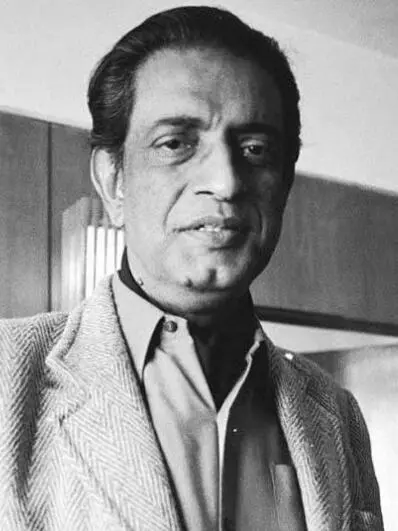
Here’s what changed after the awards:
- Global Spotlight on Indian Cinema:
Ray’s Oscar win brought unprecedented international attention to Indian filmmakers, inspiring global audiences to explore India’s cinematic artistry beyond Bollywood. - Academic and Film Study Inclusion:
Universities and film institutes around the world — including New York University, Harvard, and Oxford — began studying The Apu Trilogy as a model of neorealism and humanist cinema. - Inspiration for Future Filmmakers:
Ray’s success paved the way for directors like Shyam Benegal, Rituparno Ghosh, Mani Ratnam, and even global artists like Wes Anderson and Martin Scorsese, who openly cite Ray as an influence. - Global Recognition of Indian Literature and Art:
His screenwriting, illustrations, and Feluda detective stories gained worldwide readership and were translated into multiple languages. - Legacy Institutions Established:
The Satyajit Ray Film and Television Institute (SRFTI) was founded in Kolkata (1995) to honor his name and train future generations of filmmakers. - Cultural Renaissance:
His awards reinforced the idea that Indian art could achieve global respect without losing its authenticity — encouraging a new wave of culturally rooted, globally relevant storytelling.

Yashgatha Takeaways :