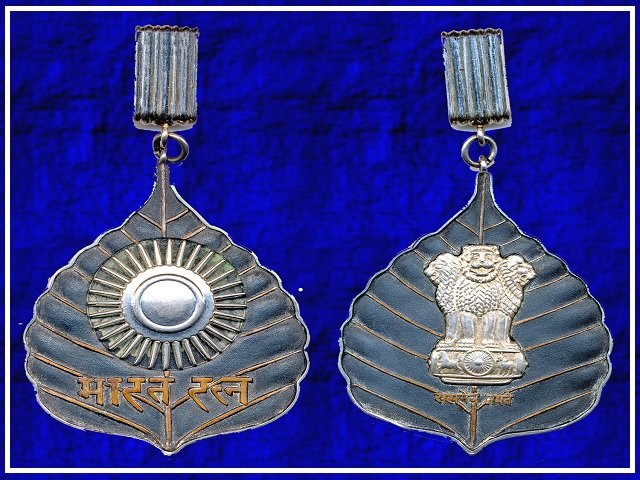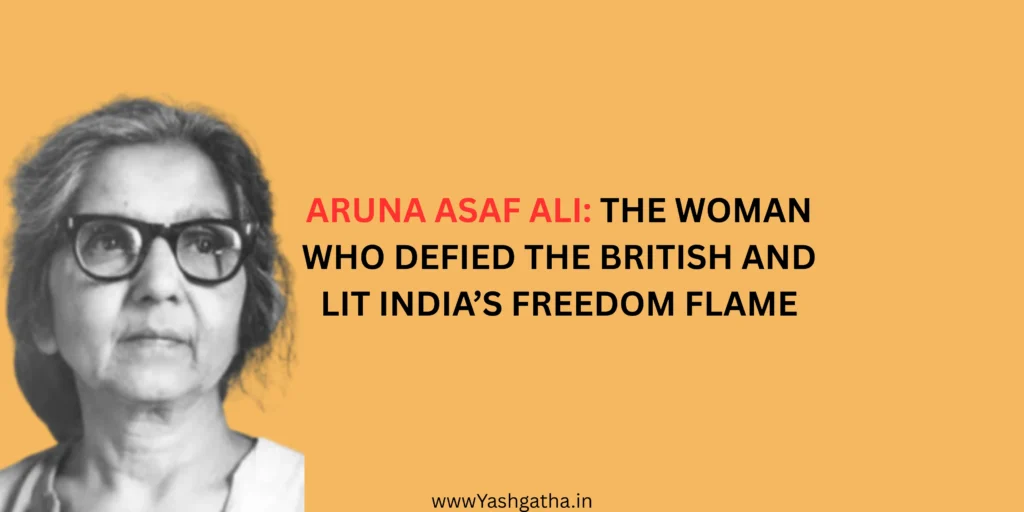
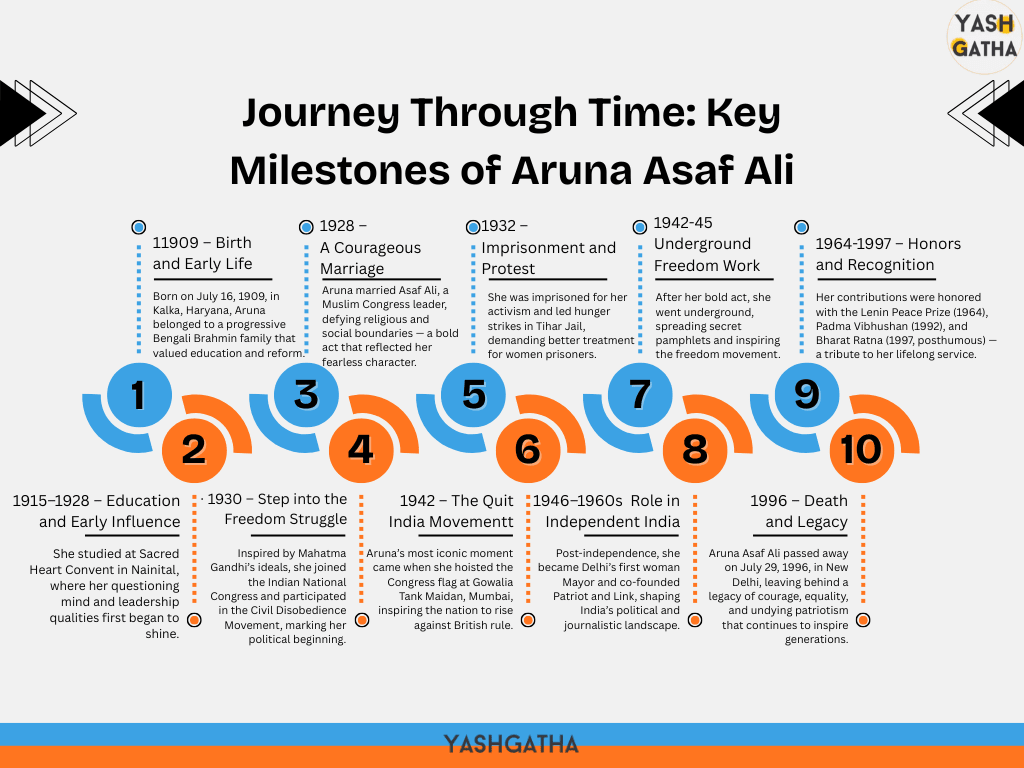
Aruna Asaf Ali, born in Kalka, Haryana, was a fearless Indian freedom fighter, educator, and political activist who became a leading figure in the Quit India Movement of 1942. Honored with the Bharat Ratna (1997), Padma Vibhushan (1992), and Lenin Peace Prize (1964), she was celebrated for her unwavering courage and commitment to India’s independence. Known for hoisting the Congress flag during British repression, Aruna’s legacy continues to inspire generations as a symbol of strength, truth, and women’s empowerment.
Aruna Asaf Ali, often called “the Grand Old Lady of the Independence Movement,” was the fearless woman who hoisted the Indian National Congress flag during the Quit India Movement of 1942 — a moment that ignited hope across a colonized nation. From being a schoolteacher to becoming one of India’s most respected revolutionaries, her journey is a tale of courage, conviction, and the power of standing up for truth. Honored with the Bharat Ratna, Aruna Asaf Ali remains a timeless symbol of bravery and women’s empowerment in India’s fight for freedom.
Early Life & Challenges :
Aruna Asaf Ali was born on July 16, 1909, in Kalka, Haryana (then Punjab Province), into a progressive Bengali Brahmin family. From an early age, she showed signs of independence, questioning authority and challenging social norms that confined women. Educated at the Sacred Heart Convent School in Nainital, she was a brilliant student, known for her sharp intellect and fearless spirit.
However, her path was not without struggle. When Aruna fell in love with Asaf Ali, a prominent Muslim leader and member of the Indian National Congress, their interfaith marriage in 1928 created an uproar in conservative society. Many in her family and community opposed the union, but Aruna stood firm — proving that her convictions were stronger than societal pressure.
In her early career, Aruna worked as a teacher at Gokhale Memorial School in Calcutta, where she inspired young minds to think freely and challenge injustice. Yet, witnessing the British oppression around her stirred something deeper — a fire for national freedom. When she joined the Indian National Congress, Aruna’s life took a daring turn. Her open defiance of colonial power led to multiple imprisonments, during which she suffered harsh conditions but never backed down. Even in jail, she organized hunger strikes to protest against the mistreatment of female political prisoners, earning respect from both allies and adversaries.
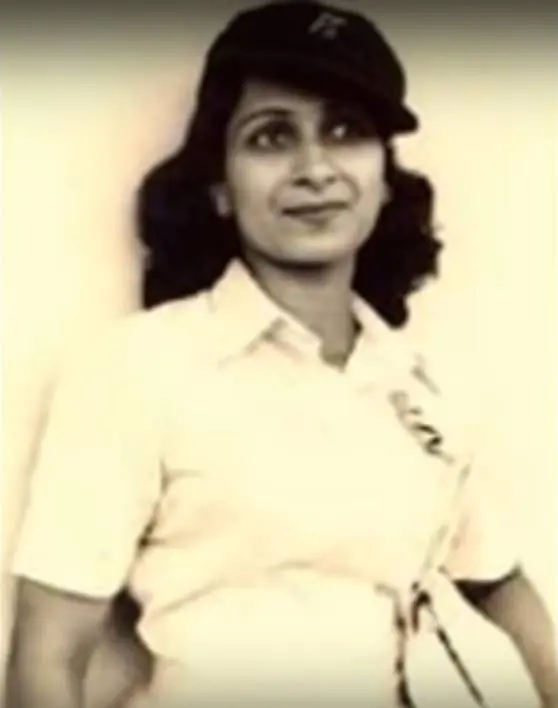
Her early life was a battle between tradition and transformation, and she chose transformation — not just for herself, but for the millions of Indians yearning for liberty.
The Turning Point :
The Recognition & Award :
Aruna Asaf Ali’s unmatched courage and lifelong dedication to India’s freedom and social progress earned her some of the nation’s most prestigious honors. Her defiance during the Quit India Movement of 1942 and her continuous fight for equality and justice made her an enduring symbol of Indian resilience.
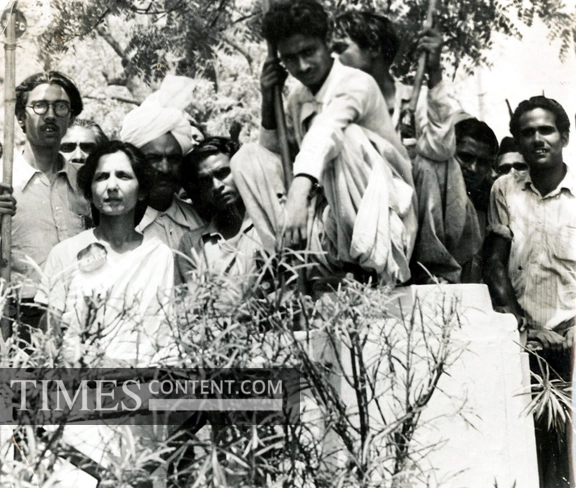
- Lenin Peace Prize (1964): Awarded for her contributions to world peace and democracy, recognizing her global influence beyond India’s borders.
- Jawaharlal Nehru Award for International Understanding (1991): Honored for her efforts to promote harmony and cooperation among nations.
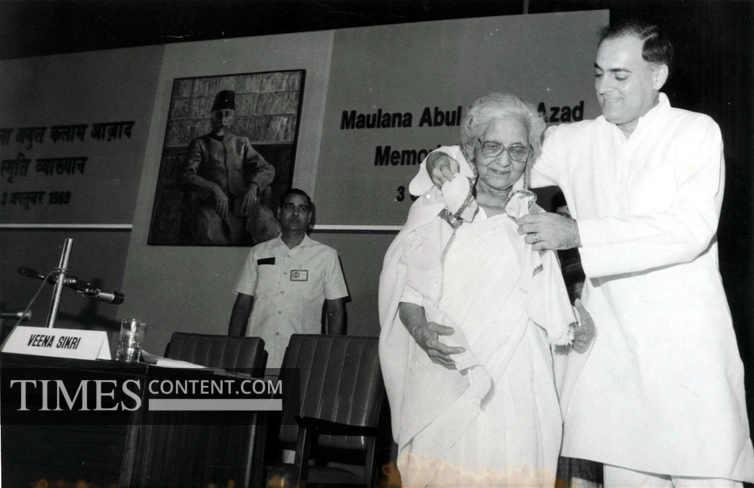
- Padma Vibhushan (1992): India’s second-highest civilian award, given for her lifelong service to the nation.
- Bharat Ratna (1997, Posthumous): India’s highest civilian honor, bestowed in recognition of her fearless leadership, sacrifice, and exceptional contribution to the country’s independence.
These awards were not just medals — they were a nation’s tribute to a woman whose voice had once defied an empire. Through every honor she received, Aruna Asaf Ali stood as a timeless inspiration for courage, integrity, and the fight for freedom.
What Changed After the Awards :
Even after receiving India’s highest honors, Aruna Asaf Ali remained deeply committed to public service, education, and social reform. Recognition never altered her simplicity or her passion for justice — it only amplified her influence and legacy.
Key Highlights After the Awards:
- Champion of Social Justice: Continued to speak fearlessly for equality, women’s rights, and social reform long after independence.
- Voice of Integrity: Founded Patriot newspaper and co-founded Link magazine, shaping India’s post-independence journalism with truth and ethics.
- Role Model for Women: Inspired countless Indian women to join politics, education, and activism, breaking barriers in a male-dominated era.
- Political Visionary: Served as Delhi’s first woman Mayor, proving that leadership knows no gender.
- Global Influence: Advocated peace, democracy, and global understanding through her writings and social initiatives.
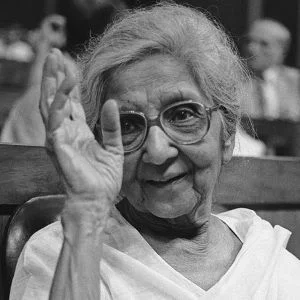
- Enduring Legacy: Even after her death on July 29, 1996, her fearless spirit continues to inspire leaders and changemakers worldwide.
For Aruna Asaf Ali, the awards were not an endpoint — they were milestones in a lifelong journey of service, courage, and truth. Her legacy remains a guiding light for those who dare to dream of a more just and equal India.
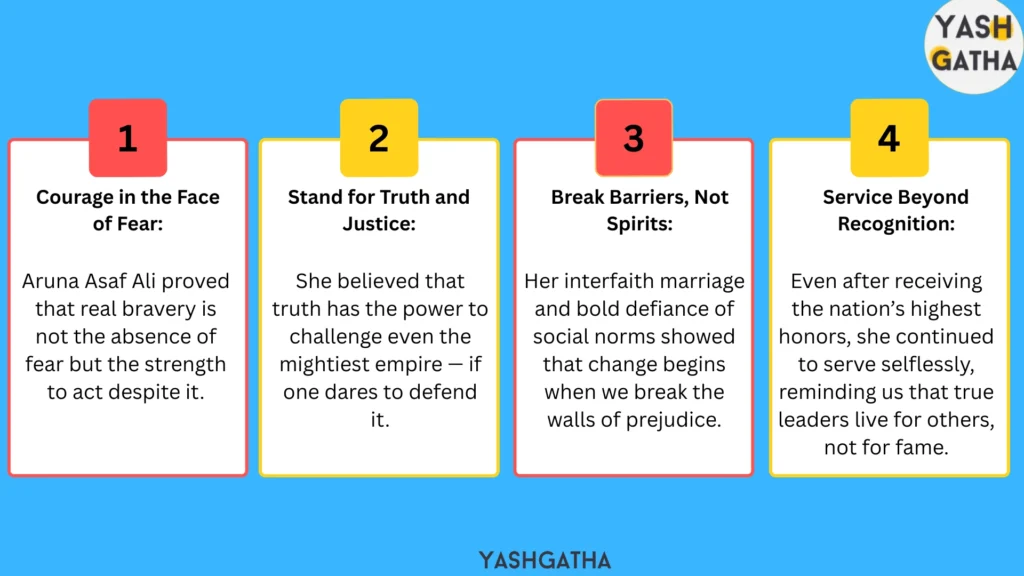
Takeaways :
Related posts:
 Rajinder Singh ‘Sparrow’: The Braveheart Who Twice Defied Death for India.
 The Hero Who Defied Death at 21,000 ft – Bana Singh’s Incredible Param Vir Chakra Journey.
 Pandit Bhagwan Das: The Forgotten Freedom Fighter Who Won India’s Highest Civilian Honour
 Why Purushottam Das Tandon is Called the Iron Man of Hindi – A Journey from Freedom Struggle to Bharat Ratna