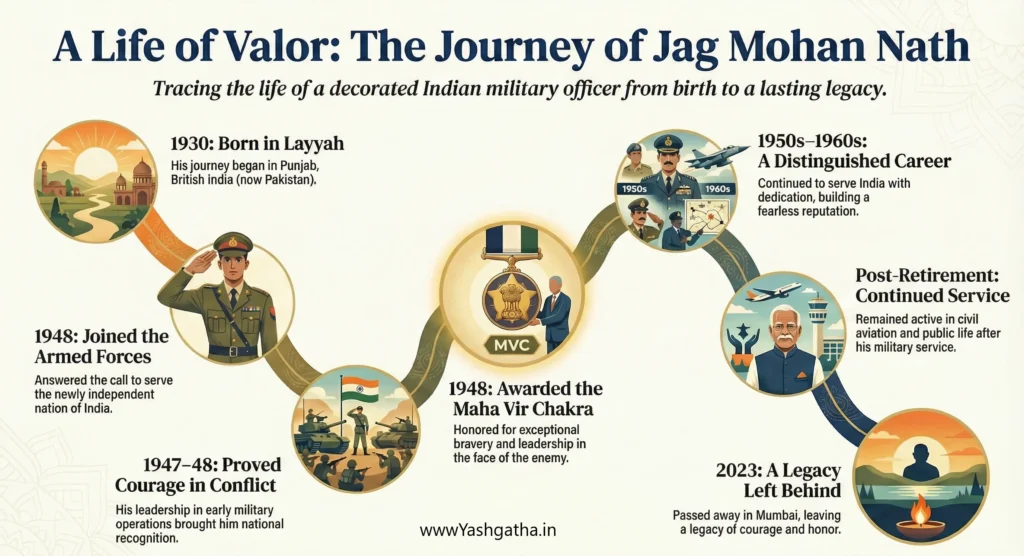
Jag Mohan Nath was born on 8 August 1930 in Layyah, Punjab, British India (now in Pakistan) into a Punjabi Hindu family of doctors. His early years were spent in a family environment deeply rooted in education and service, but young Nath was drawn to the skies and dreamed of flying from an early age. After completing his schooling, he studied at Government College, Lahore, where he continued to nurture his passion for aviation even as the winds of history changed around him during India’s Partition. Following the upheaval of 1947, he joined the Indian Air Force in 1948 and went on to serve with exceptional distinction. Outside his military life, Jag Mohan Nath had a family of his own — he was married and had two children: a son named Sanjiv Malhotra (born 1952) and a daughter named Arti (born 1956). After retiring from the Air Force in 1969,
he continued his career as a commercial pilot with Air India and later settled in Mumbai, where he lived until his passing on 21 March 2023, leaving behind a legacy of courage and honor. In the chaotic years following India’s independence, when the nation was still defining its borders and its bravery, a young Indian Army officer stepped into history through sheer courage. Major Jag Mohan Nath, a Maha Vir Chakra awardee, was not a man chasing glory — he was a soldier answering duty.
During the intense operations of the 1947–48 conflict, when every decision could mean victory or loss, life or death, Major Nath found himself facing overwhelming danger. Instead of retreating, he chose resolve. Instead of fear, he showed leadership. Under extreme pressure, he organized his men, moved forward despite the risks, and turned a critical situation into a story of success. His actions did more than secure a mission — they inspired the very spirit of the Indian Army. Today, his name stands among India’s bravest sons, reminding us that freedom was not just won in 1947, it was protected by courage every day after.
Early Life & Challenges:
Major Jag Mohan Nath was born during a time when India itself was struggling to breathe under colonial rule. Growing up in pre-independence India, he witnessed uncertainty, social change, and the powerful rise of nationalism. From a young age, he showed qualities that would later define him — discipline, mental strength, and a deep sense of responsibility. His early life was not shaped by comfort, but by character. Education demanded focus, and daily life demanded resilience. Opportunities were limited, resources were modest, and the future of the country was unclear. Yet, Jag Mohan Nath was never attracted to ease. He was drawn instead to challenge.
Choosing a military path meant accepting hardship long before glory. The training was physically exhausting and mentally unforgiving. Days began before sunrise, routines were strict, and expectations were relentless. Many faltered under the pressure — but he adapted, endured, and excelled. The greatest challenge came with the birth of a new nation. As India gained independence, it also faced conflict. The armed forces were being reorganized, and young officers like Jag Mohan Nath were suddenly carrying the weight of national security on their shoulders. It was in this demanding environment — with limited support and enormous responsibility — that he was shaped into a leader. These early struggles built the foundation of a man who would later remain calm under fire, place his men before himself, and choose courage when it mattered most.
The Turning Point :
The Recognition & Award:
Major Jag Mohan Nath’s fearless leadership and extraordinary courage in the face of the enemy did not go unnoticed. At a time when India was still shaping its military traditions, his actions stood out as a powerful example of what it meant to lead from the front. For his exceptional bravery, calm decision-making under fire, and outstanding devotion to duty, he was awarded the Maha Vir Chakra (MVC) — India’s second-highest wartime gallantry award. This honor is given only to those who display remarkable courage in the presence of the enemy, and Major Nath’s conduct embodied the very spirit of the medal.
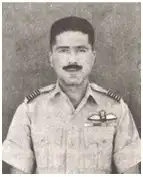
The award was not just a decoration; it was national recognition of a man who placed his mission and his men above his own safety. His name was officially recorded among India’s war heroes, ensuring that his courage would be remembered long after the battlefield fell silent.
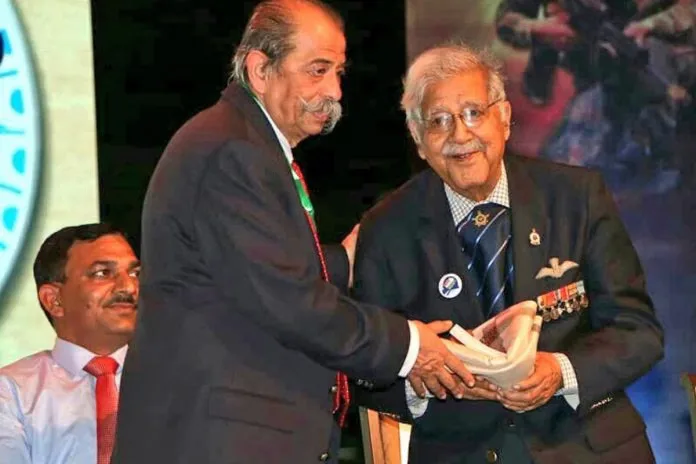
What Changed After the Award :
After Major Jag Mohan Nath received the Maha Vir Chakra, his life was marked not by comfort, but by deeper responsibility. The medal did not end his journey — it strengthened his mission.
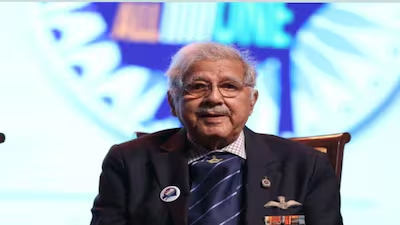
- National Recognition: His bravery was officially recorded in India’s military history, earning him respect across the armed forces.
- Greater Responsibility: He was entrusted with more demanding roles, where his experience and leadership guided younger officers.
- Role Model for Soldiers: His actions became an example of battlefield leadership and courage under pressure.
- Part of Military Legacy: His story began to be shared in training environments and remembrance platforms.
- Symbol of Early Indian Bravery: He came to represent the fearless spirit of India’s post-independence armed forces.
- A Life of Quiet Service: Even after recognition, he remained humble and committed to duty rather than fame.
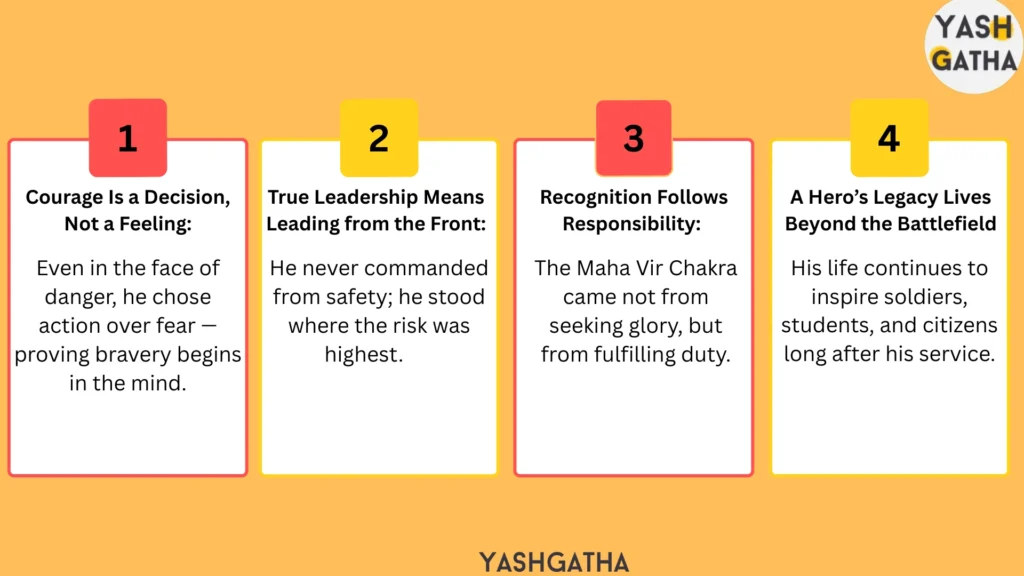
Yashgatha Takeaways:
Related posts:
 The Man Who Refused To Retreat: The Heroic Legacy Of Kishan Singh Rathor, MVC.
 Sepoy Man Singh MVC: The 22-Year-Old Braveheart Who Saved Poonch and Became Immortal
 The Hero Who Stopped 200 Enemies Alone: The Untold Story of Major Sardar Malkit Singh Brar MVC
 Man Mohan Khanna MVC: The Forgotten Hero Whose Bravery Shaped India’s Early Military History