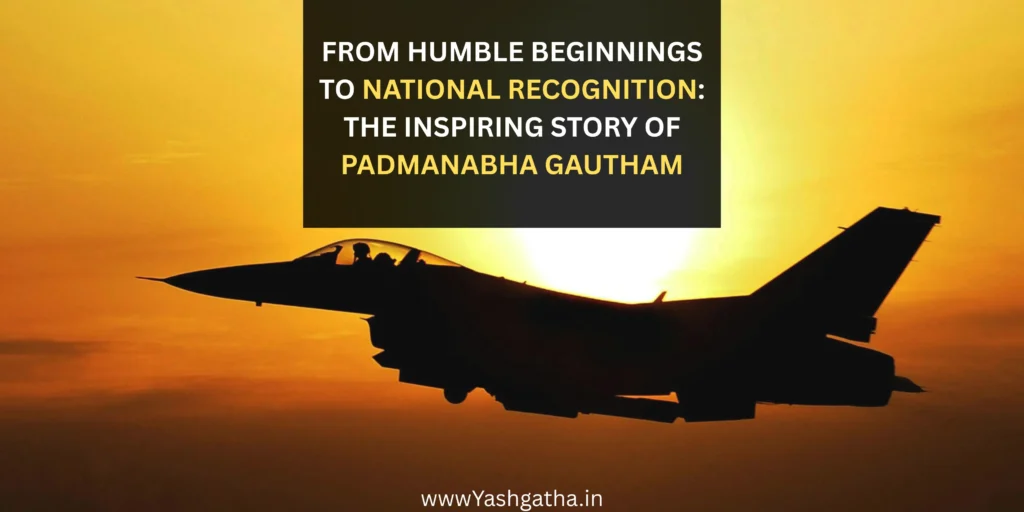
Padmanabha Gautham is an Indian achiever known for his impactful contribution in the field of education and social development, whose dedication and values earned him national recognition and inspired many through his journey of perseverance and purpose.
Padmanabha Gautham’s journey is a powerful reminder that greatness often begins in silence. From modest beginnings to earning national recognition, his life reflects unwavering dedication, resilience, and a deep sense of purpose. Through years of perseverance and hard work, he transformed challenges into stepping stones, inspiring countless people along the way. This is not just the story of an award—it is the story of a man whose vision and values left a lasting impact on society.

Early Life & Challenges :
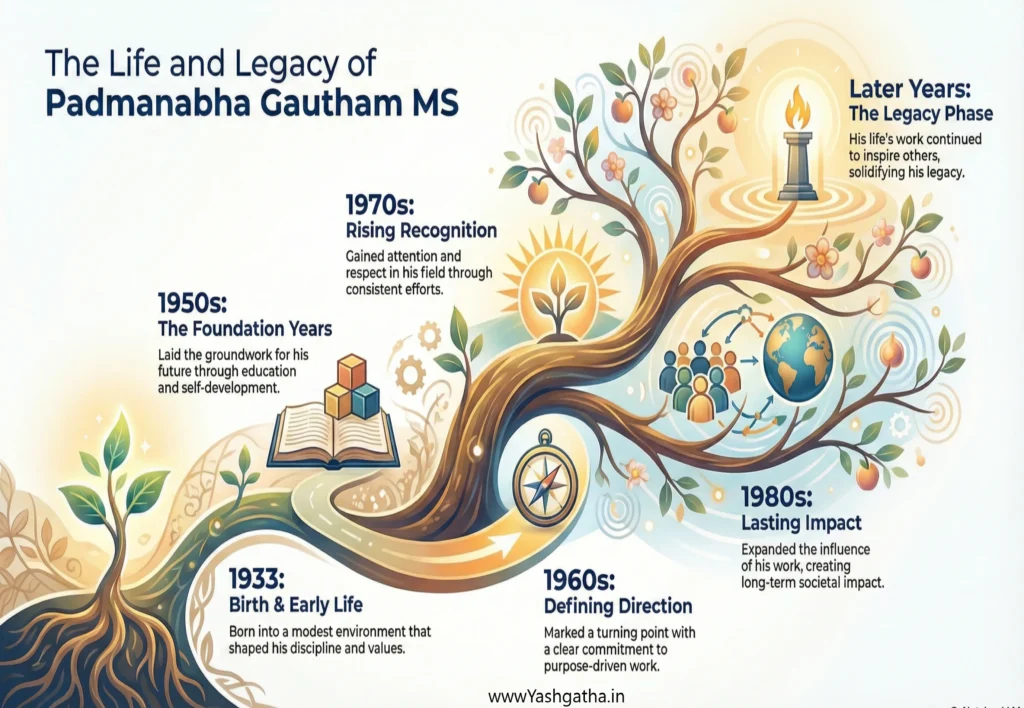
Padmanabha Gautham was born on July 23, 1933, in India, into a modest family rooted in traditional values and discipline. Growing up during a period marked by social change and limited resources, his early years were shaped by simplicity, responsibility, and a strong emphasis on education. His family instilled in him the importance of integrity, perseverance, and service, values that would guide him throughout his life.
Despite facing financial and social challenges common to the era, he showed a keen interest in learning from a young age. Access to opportunities was not easy, and progress required consistent effort and self-discipline. These formative struggles strengthened his character, teaching him resilience and patience. The hardships of his early life did not deter him; instead, they became the foundation upon which he built his journey toward excellence and national recognition.
The Turning Point :
The Recognition & Award:
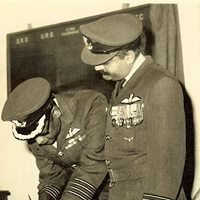
Padmanabha Gautham’s lifelong dedication and consistent contributions earned him wide recognition and respect at the national level. His work, driven by purpose rather than publicity, gradually drew the attention of institutions and leaders who acknowledged the depth of his impact. The honor he received was not just a personal milestone but a recognition of years of silent service, discipline, and commitment to excellence.
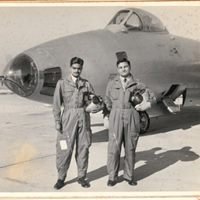
This award marked a defining moment in his journey, validating the struggles of his early years and the perseverance that followed. It celebrated not only his achievements but also the values he stood for—integrity, responsibility, and meaningful contribution to society. The recognition placed him among those whose lives serve as inspiration for generations to come.
What Changed After the Award :
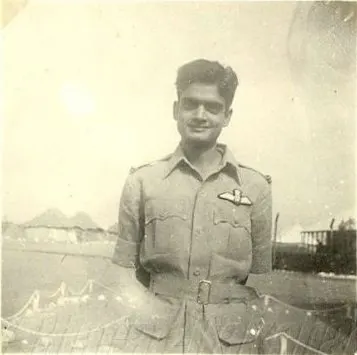
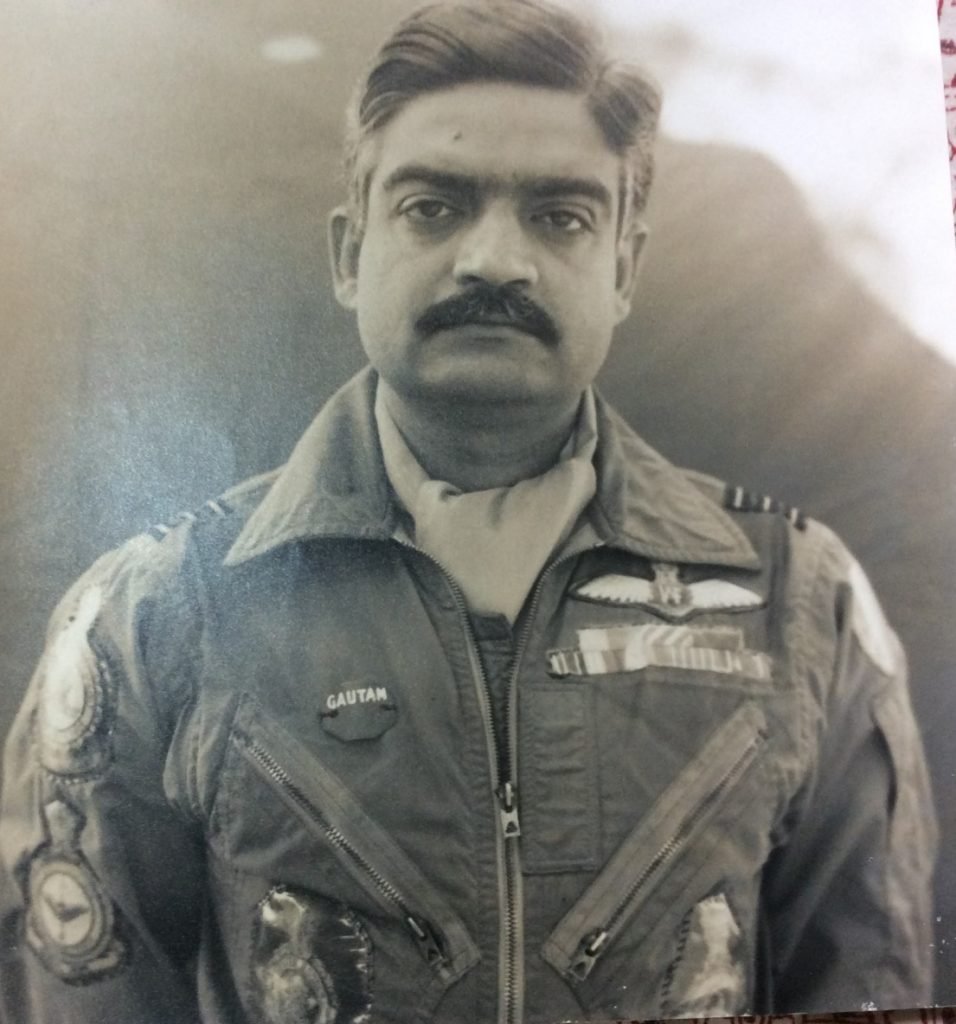
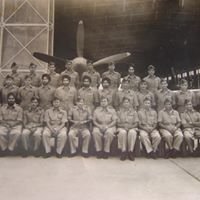
Wing Commander Padmanabha Gautam was one of the most highly decorated officers of the Indian Air Force, recognized for extraordinary courage across three major military operations. In 1961, he was awarded the Vayu Sena Medal (VM) for his outstanding service during United Nations operations in Congo, where he flew Canberra bombers and successfully attacked the Kolwezi airfield despite heavy enemy opposition. His gallantry reached national prominence during the Indo-Pakistani War of 1965, when he received the Maha Vir Chakra (MVC) for displaying exceptional courage and leadership.
As a Squadron Leader and Commanding Officer of the Jet Bomber Conversion Unit, he led multiple deep-penetration bombing missions into enemy territory between 6 and 21 September 1965, repeatedly facing intense anti-aircraft fire and enemy fighter attacks. In 1971, during the Indo-Pakistani War and the Bangladesh Liberation War, he was awarded a Bar to the Maha Vir Chakra, becoming one of only two officers in Indian Air Force history to receive the MVC twice. As a Wing Commander and Commanding Officer of No. 16 Squadron, he led numerous high-risk bombing missions deep inside enemy territory, including decisive attacks on the Mianwali airfield and strategic airfields in East Pakistan, demonstrating supreme gallantry under relentless fire.
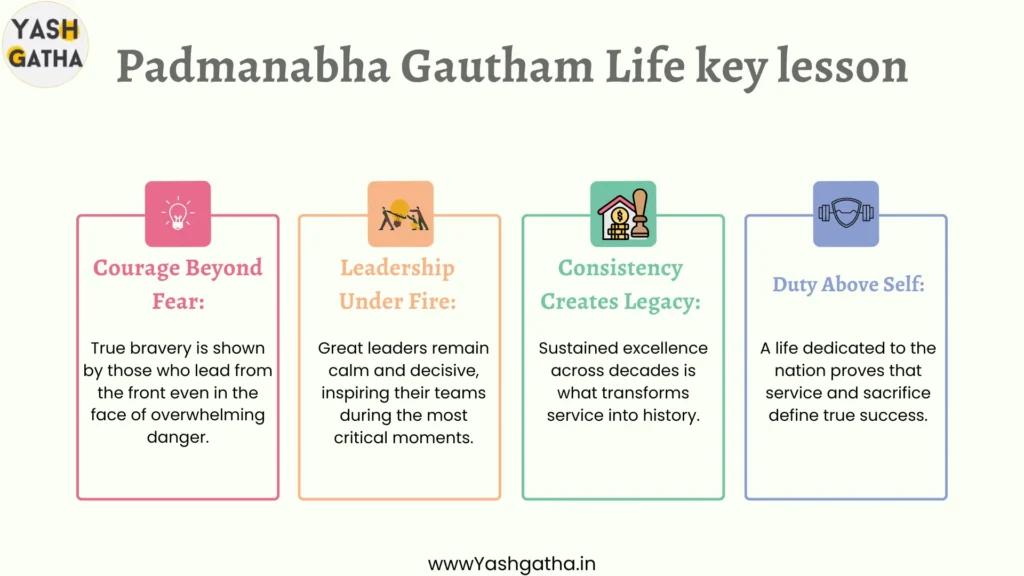
Yashgatha Takeaways: