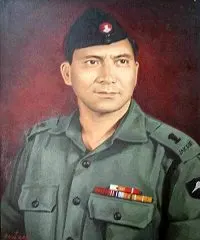
Colonel Chewang Rinchen, born in the remote Nubra Valley of Ladakh, rose from a humble Himalayan childhood to become one of India’s most decorated and respected soldiers, earning the rare distinction of receiving the Maha Vir Chakra twice for extraordinary bravery across multiple wars, and leaving behind a legacy that continues to inspire the Indian Army and millions of Indians with his unmatched courage, leadership, and lifelong service to the nation.
At just 17 years old, in the icy heights of Ladakh, a village boy picked up a rifle to defend his homeland — and went on to become one of the bravest soldiers India has ever known. Colonel Chewang Rinchen, the legendary “Lion of Ladakh,” is among the very few heroes to be awarded the Maha Vir Chakra twice for extraordinary courage in battle. From the remote Nubra Valley to the frontlines of India’s toughest wars, his life is a powerful story of fearless patriotism, unbreakable will, and unmatched valor — a story that still inspires India today.
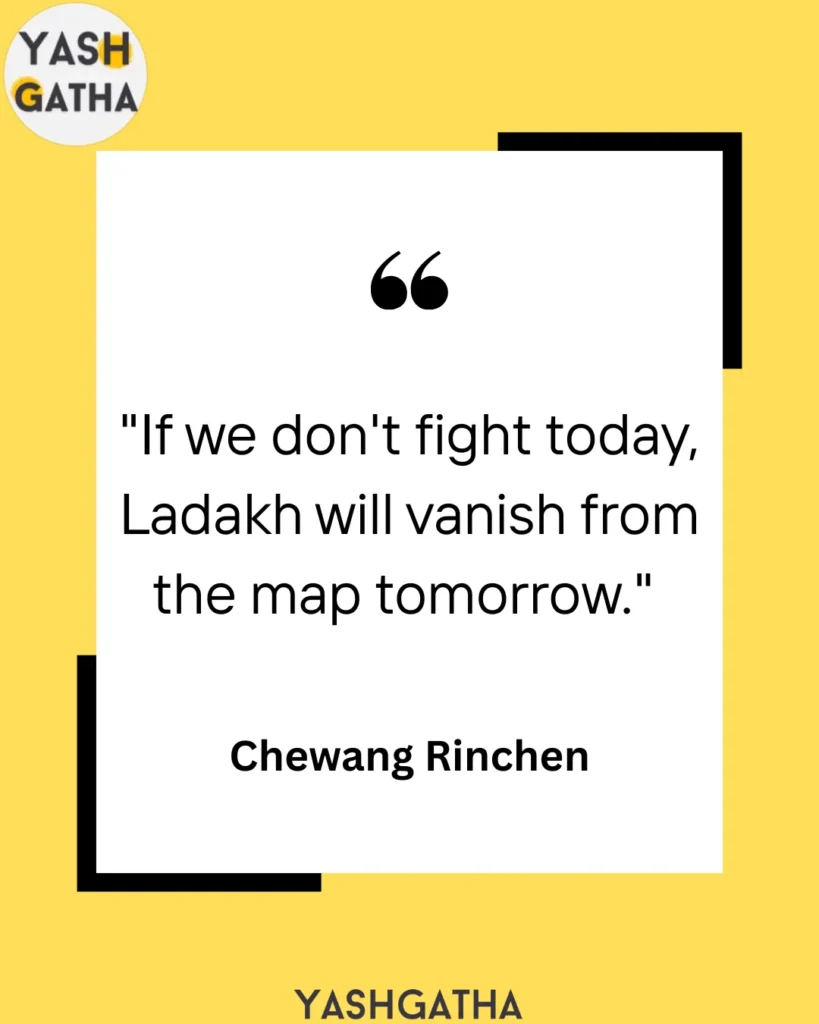
“The will to outlast the opponent, the ability to draw upon one last ounce of strength for this final, audacious fling at the enemy is the hallmark of a great field commander…”
Early Life & Challenges :
Colonel Chewang Rinchen was born in 1931 in the small village of Sumur in Nubra Valley, Ladakh, a remote Himalayan region where life itself was a daily test of endurance. Surrounded by towering mountains, extreme cold, and long isolated winters, his childhood was shaped by hardship, discipline, and self-reliance. Opportunities were limited, resources were scarce, and survival depended on resilience — qualities that would later define his extraordinary life.
Rinchen began his early education in his village and later moved to Leh to continue his studies, an uncommon path at that time for a boy from Nubra Valley. Even as a student, he was known for his physical toughness, quiet determination, and strong sense of responsibility. However, his youth took a dramatic turn in 1947–48, when conflict reached Ladakh during the first Indo-Pak war. At an age when most teenagers are still discovering the world, Chewang Rinchen witnessed his homeland under threat.
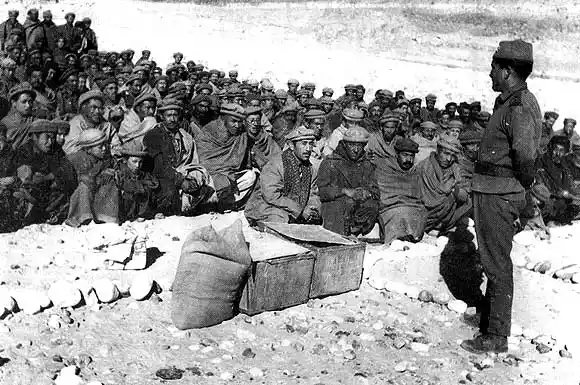
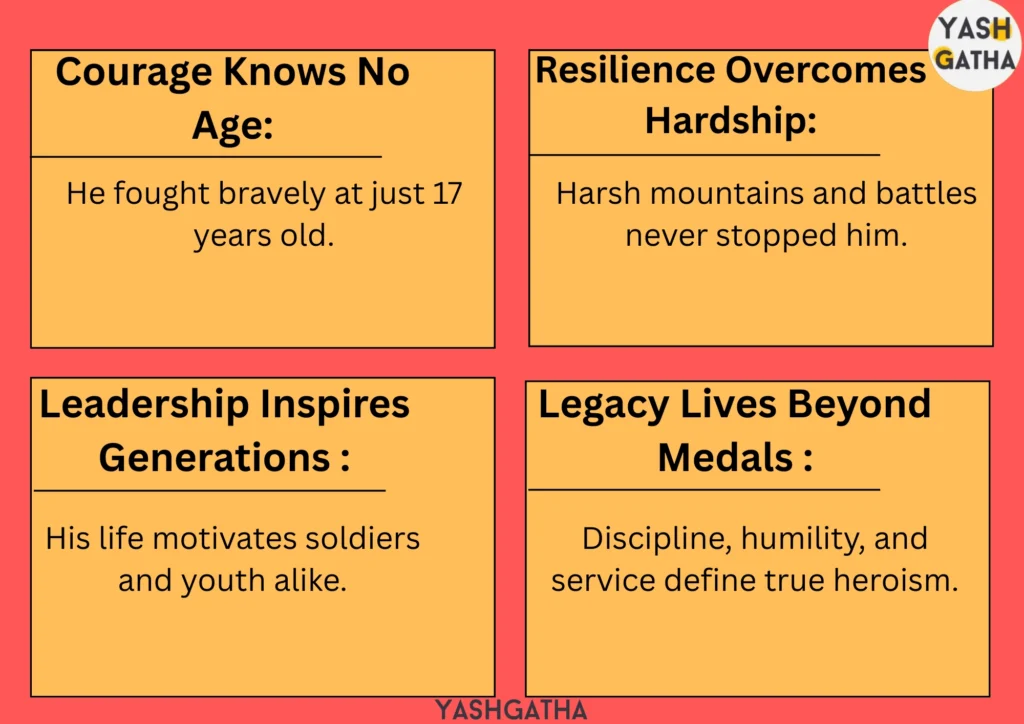
Instead of fleeing or waiting, he made a life-changing decision. At just 17 years old, he joined the Nubra Guards, a locally raised force to defend the region. With little formal military training and minimal equipment, he faced enormous challenges — unfamiliar warfare, harsh terrain, freezing conditions, and the pressure of leading men older than himself. Yet, these obstacles did not weaken him; they sharpened his courage and leadership. Operating in some of the world’s most difficult high-altitude conditions, Rinchen quickly proved himself through bravery, discipline, and an unshakable commitment to duty. The struggles of his early life — isolation, climate, and conflict — became the foundation of a warrior who would go on to earn India’s highest respect for valor.
The Turning Point :
The Recognition & Award:
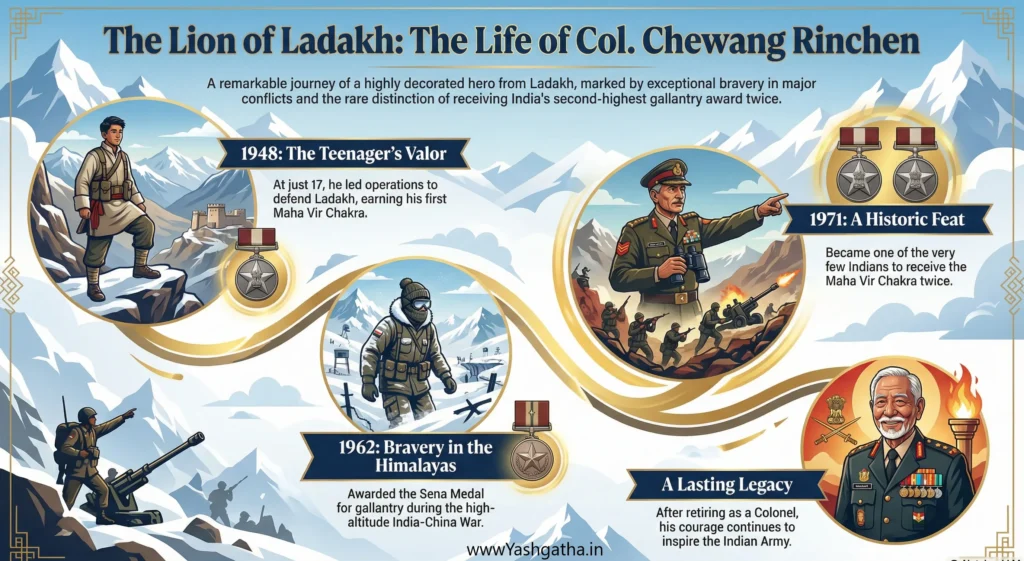
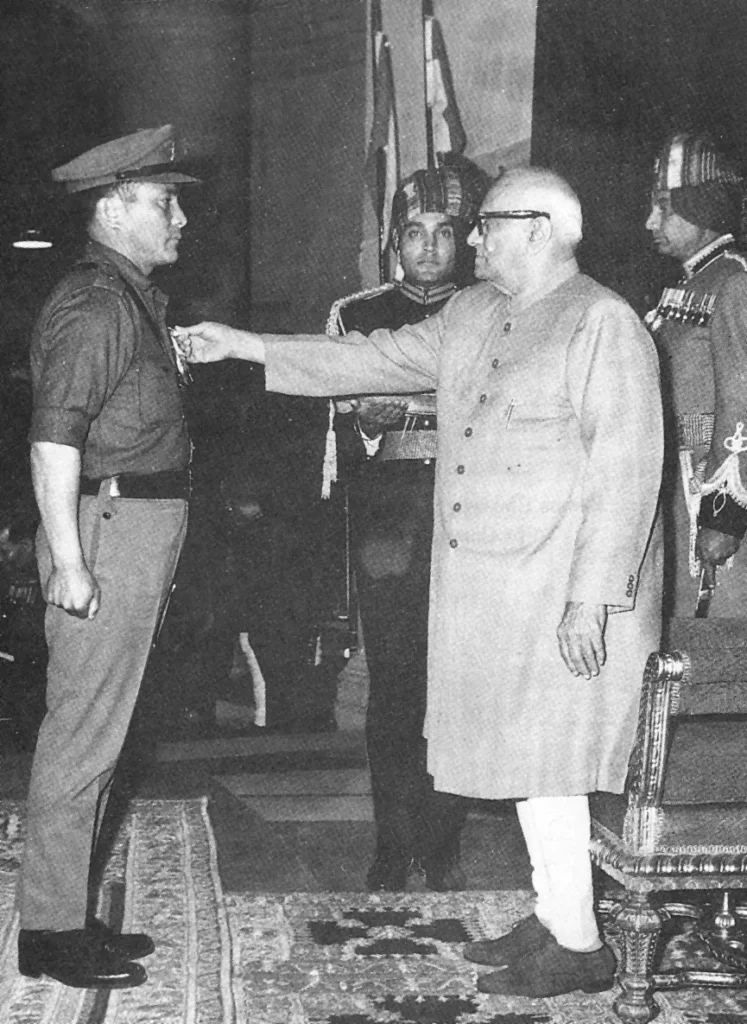
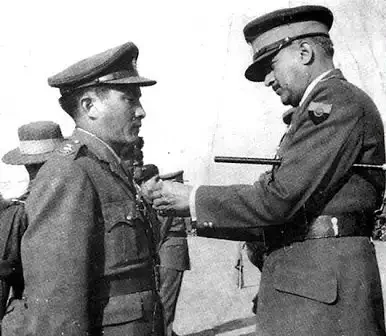
Colonel Chewang Rinchen was honored for extraordinary bravery on the battlefield. He received the Maha Vir Chakra in 1948 for defending Ladakh. He was awarded the Maha Vir Chakra (Bar) in 1971 for his fearless leadership in war. This rare honor placed him among India’s most decorated soldiers. He was also awarded the Sena Medal for gallantry. He received a Mention in Dispatches for distinguished service to the nation.
What Changed After the Award :
Receiving the Maha Vir Chakra twice did not end Colonel Chewang Rinchen’s journey. The awards brought national recognition. They also increased his responsibilities as a soldier and leader. Several important changes followed.
- From Brave Soldier to National Icon
He was no longer only a battlefield commander. He became a national symbol of valor, and his story inspired generations in Ladakh. - Greater Leadership Roles
He was given higher command responsibilities and led and mentored troops in high-altitude regions. - Inspiration for the Ladakh Scouts
His legacy deeply influenced Ladakh units and strengthened the identity of Himalayan soldiers. - Honours Beyond the Battlefield
Bridges and memorials were named after him. The Colonel Chewang Rinchen Setu became a famous symbol of strength. - A Life Dedicated to Service
Even after retirement, he remained a mentor and role model, remembered for discipline, humility, and devotion to India.
Yashgatha Takeaways:
Related posts:
 Major Jag Mohan Nath MVC: The Untold Story of a Braveheart Who Refused to Step Back
 Rajinder Singh ‘Sparrow’: The Braveheart Who Twice Defied Death for India.
 Arun Shridhar Vaidya: The Fearless General Who Shaped India’s Military History.
 From Humble Beginnings to National Recognition: The Inspiring Story of Padmanabha Gautham