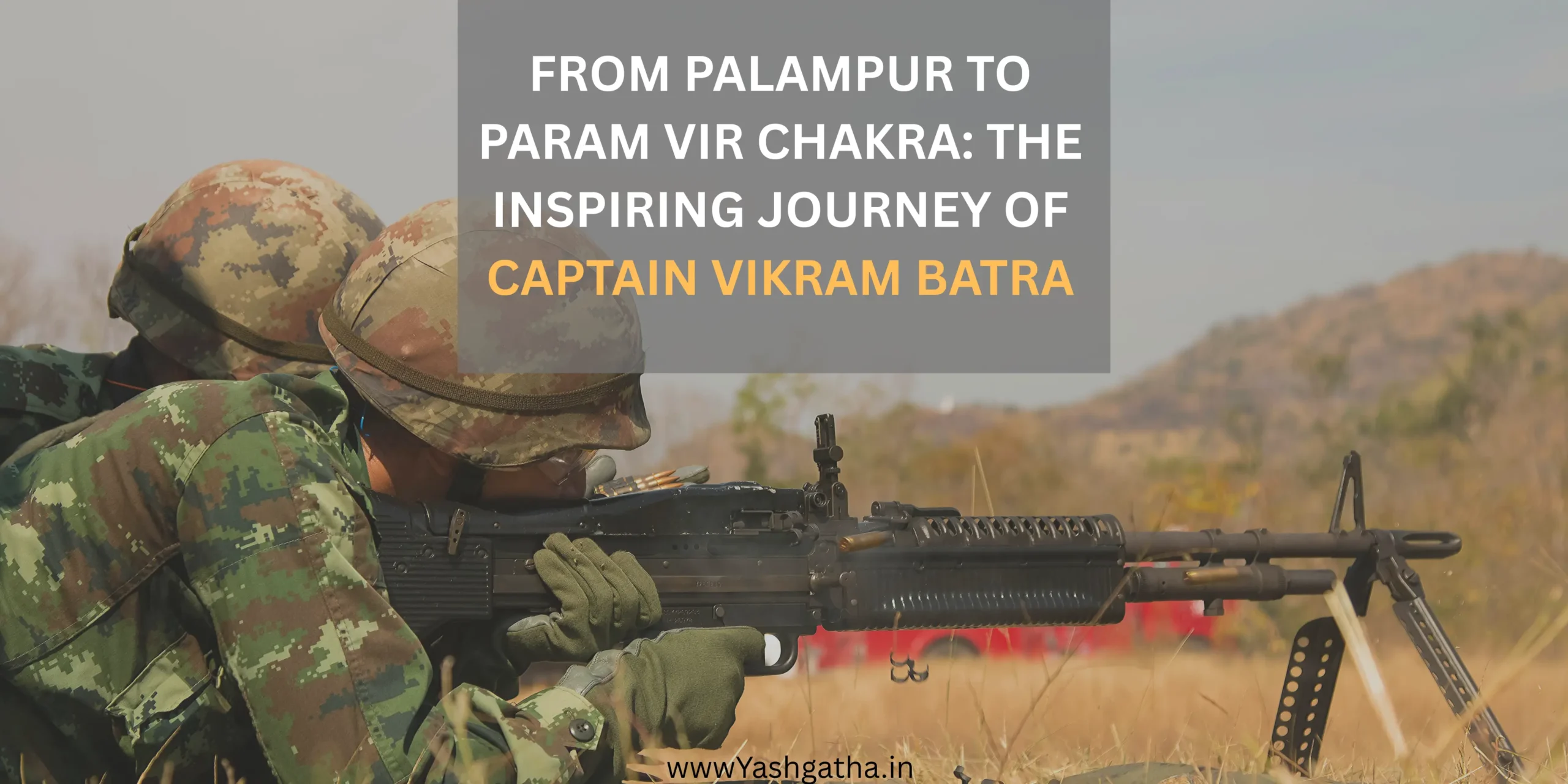
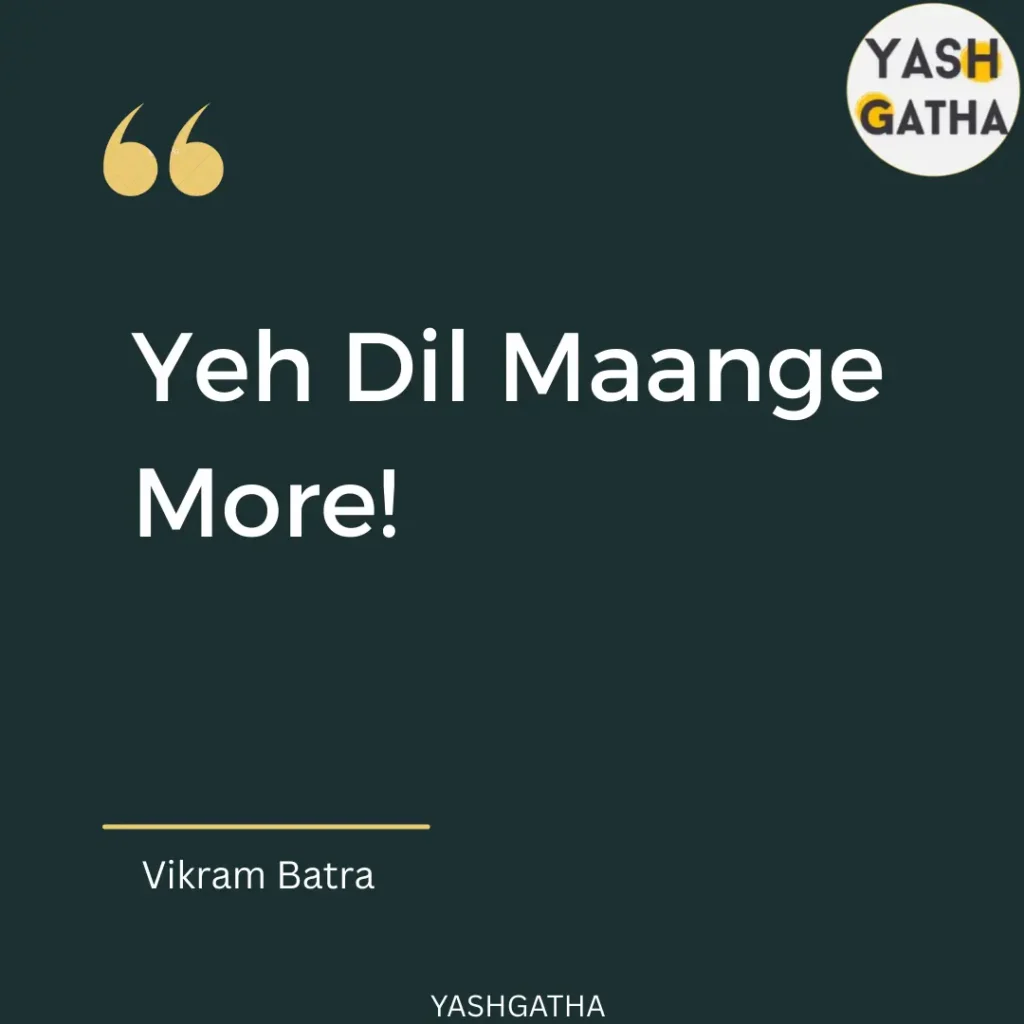
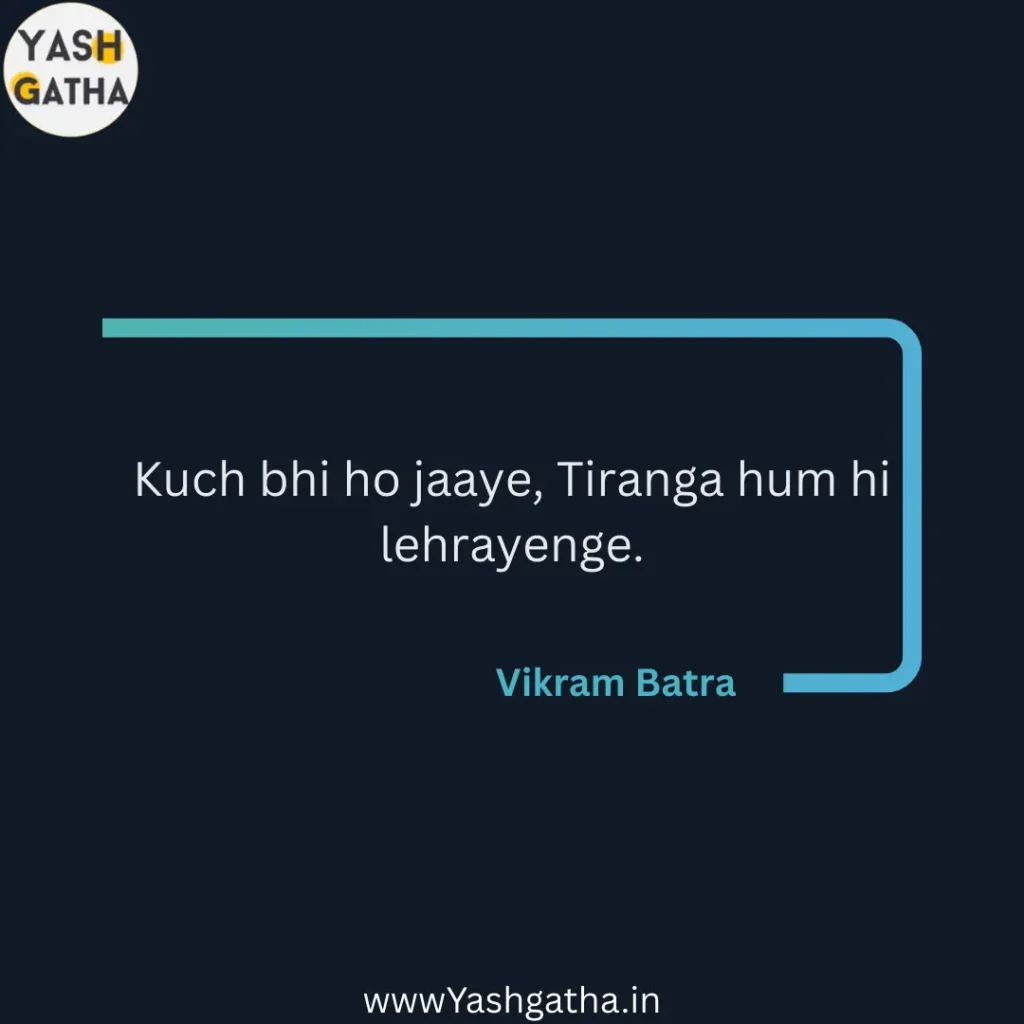
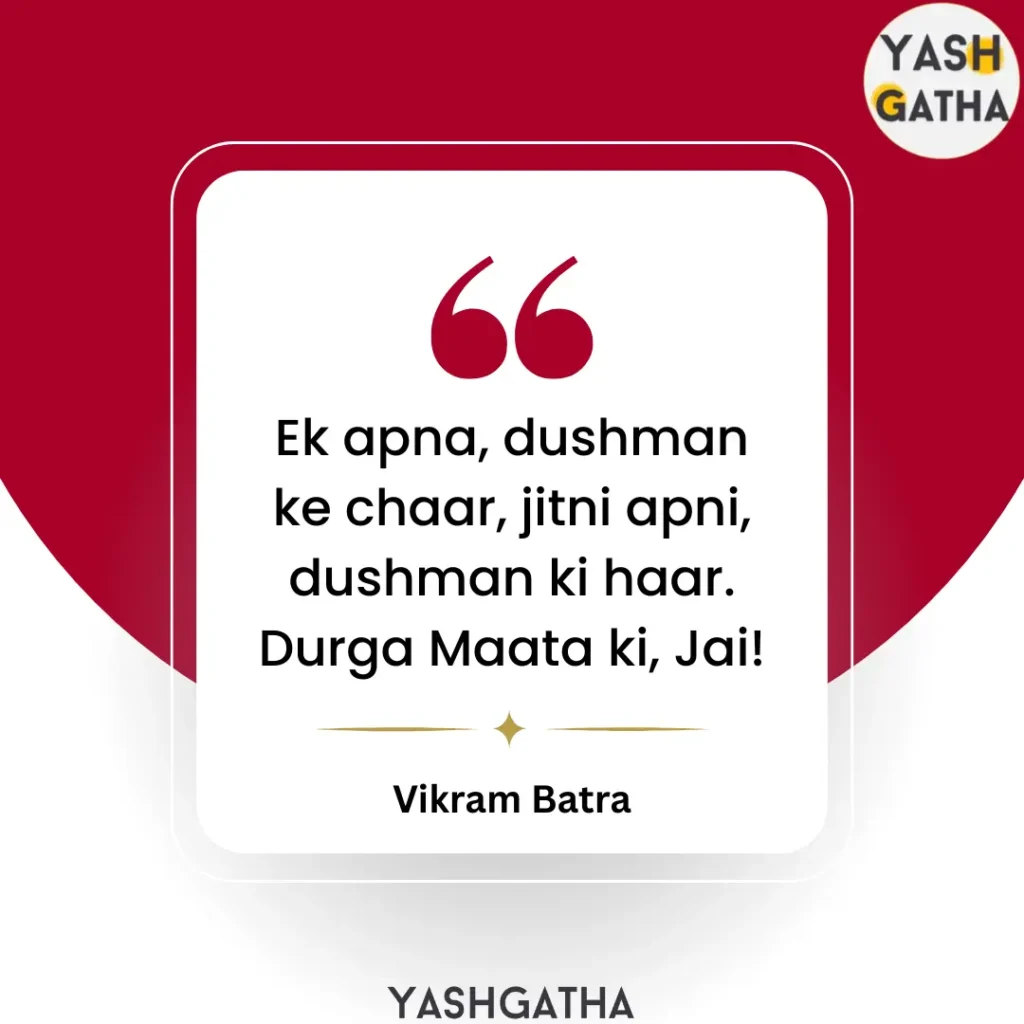
Captain Vikram Batra, a fearless officer from Palampur, Himachal Pradesh, was awarded the Param Vir Chakra in 1999 for his extraordinary courage during the Kargil War, becoming one of India’s most iconic gallantry heroes known for his legendary motto “Yeh Dil Maange More.” Captain Vikram Batra, the legendary “Shershah” of the Kargil War, became India’s symbol of unmatched bravery and leadership at just 24. Known for his fearless motto “Yeh Dil Maange More,” he led some of the most critical missions in 1999, changing the course of the war. His journey—from a small town in Himachal Pradesh to receiving the Param Vir Chakra—continues to inspire millions with its message of courage, duty, and patriotism.
Early Life & Challenges:
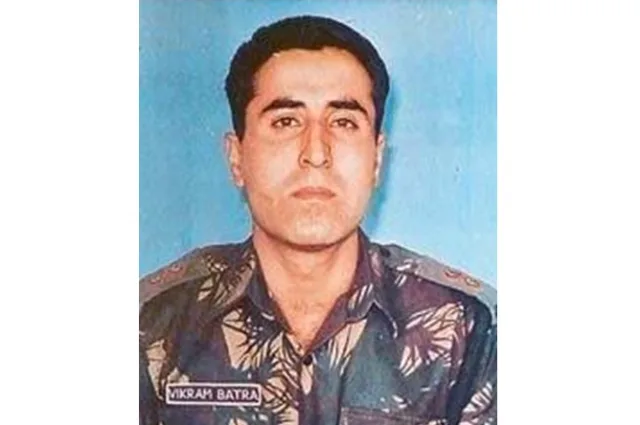
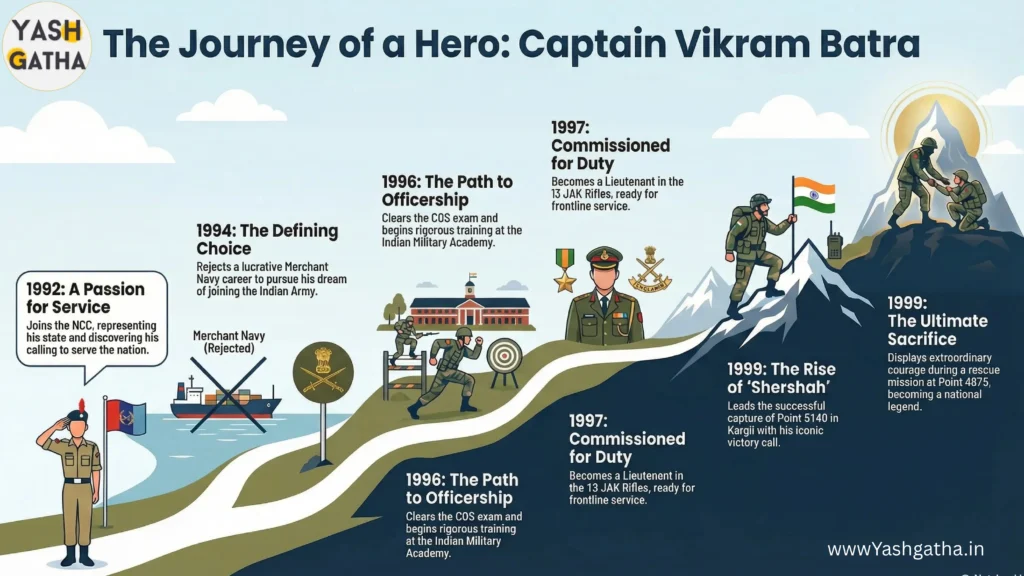
Captain Vikram Batra was born on 9 September 1974 in Palampur, Himachal Pradesh, into a simple, hard-working family that valued education, discipline, and integrity. His father was a school principal and his mother a dedicated school teacher, giving him an environment built on learning and responsibility. From childhood, Vikram stood out for his leadership qualities — whether it was school competitions, sports, or group activities, he naturally took charge and inspired others. He grew up with a strong interest in outdoor activities, martial arts, and adventure, which shaped his fearless personality. While academics came naturally to him, he worked equally hard in sports and was known for his determination and discipline. One of his earliest challenges was balancing studies with the responsibilities he took on as an NCC (National Cadet Corps) cadet.
He pushed himself to excel and even represented his state at the Republic Day Parade — a milestone that strengthened his desire to serve the country. A major turning point in his early life came when he received a high-paying opportunity with the Merchant Navy after completing college. For many, this would have been a dream career. But Vikram faced a personal and emotional dilemma — choosing between financial security or dedicating his life to national service. Despite pressure and expectations, he followed his conviction and chose the Indian Army. This decision showed his moral courage and his willingness to follow a path of greater responsibility.
Growing up in the mountains taught him resilience, but it was his vision for a purposeful life that set him apart. His early years were marked not by comfort, but by the constant drive to prove himself, overcome challenges, and stay committed to something larger than himself — a character that would eventually transform him into “Shershah,” the hero India remembers.
The Turning Point :
The Recognition & Award:
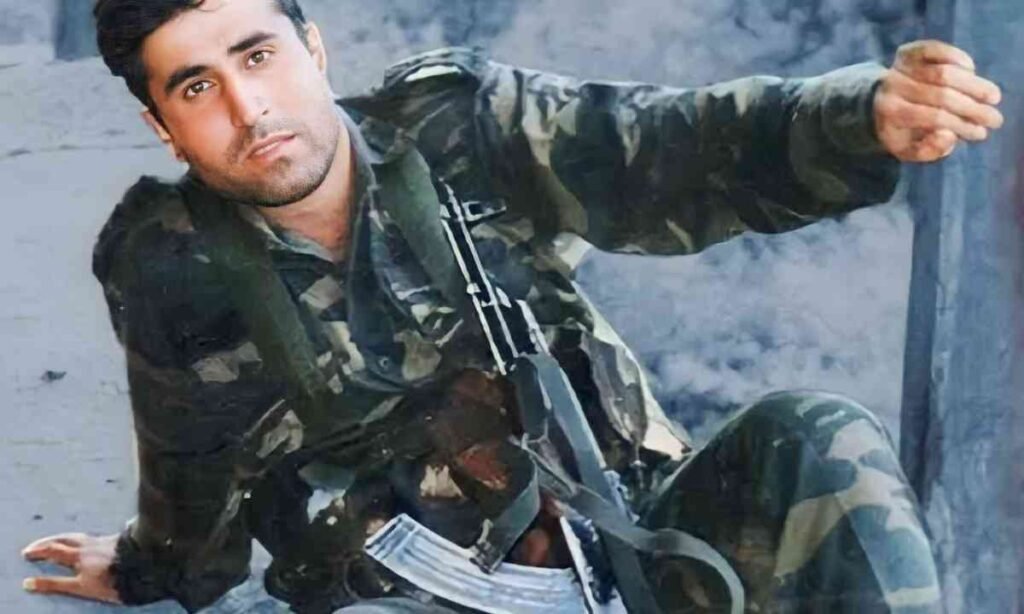
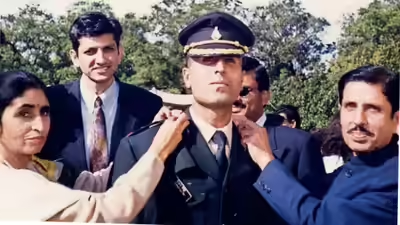
Captain Vikram Batra was honoured with the Param Vir Chakra, India’s highest wartime gallantry award, for his exceptional bravery during the Kargil War in 1999. His leadership in the capture of Point 5140 and his courage during the mission at Point 4875 set new benchmarks of heroism. The award citation praised his fearless determination, tactical brilliance, and unwavering commitment to his men and nation. Today, the Param Vir Chakra associated with his name stands as a timeless symbol of courage, sacrifice, and patriotism.
What Changed After the Award :
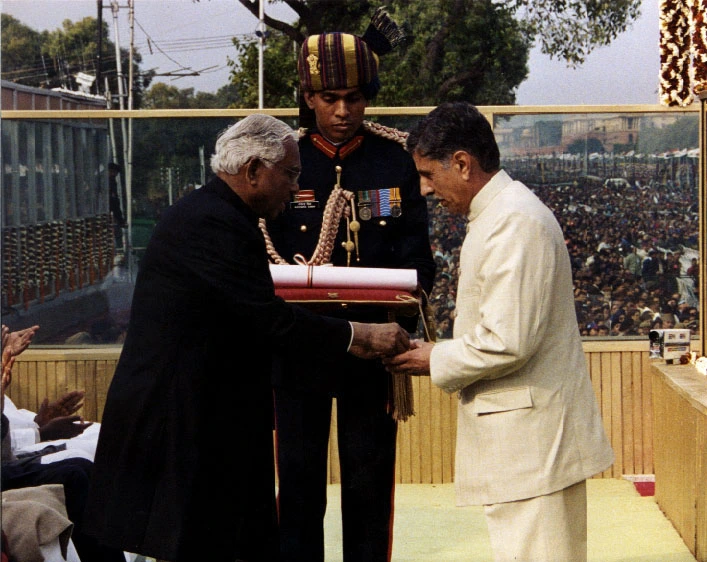
Even though Captain Vikram Batra received the Param Vir Chakra posthumously, the honour transformed the way India remembered him and recognized its young heroes.
Key Changes After the Award:
- National Hero Status: His name became synonymous with bravery, and he emerged as one of the most celebrated figures of the Kargil War.
- Schools & Institutions Named After Him: Educational institutions, roads, parks, and public places were renamed to honour his sacrifice.
- Inspiration for Youth: His life story became a motivational chapter across schools, military institutes, and youth programs.
- Representation in Films & Books: Movies, documentaries, and biographies showcased his courage, taking his story to millions.
- Inclusion in Army Training Modules: His leadership and battlefield decisions are now referenced in officer training discussions.
- Family Recognition: His family received nationwide respect as people connected deeply with his values and sacrifice.
- Legacy of “Shershah”: His call sign became iconic, representing fearlessness in extreme conditions.
- National Ceremonies & Tributes: Every Kargil Vijay Diwas, his story is among the most prominently remembered and honored.
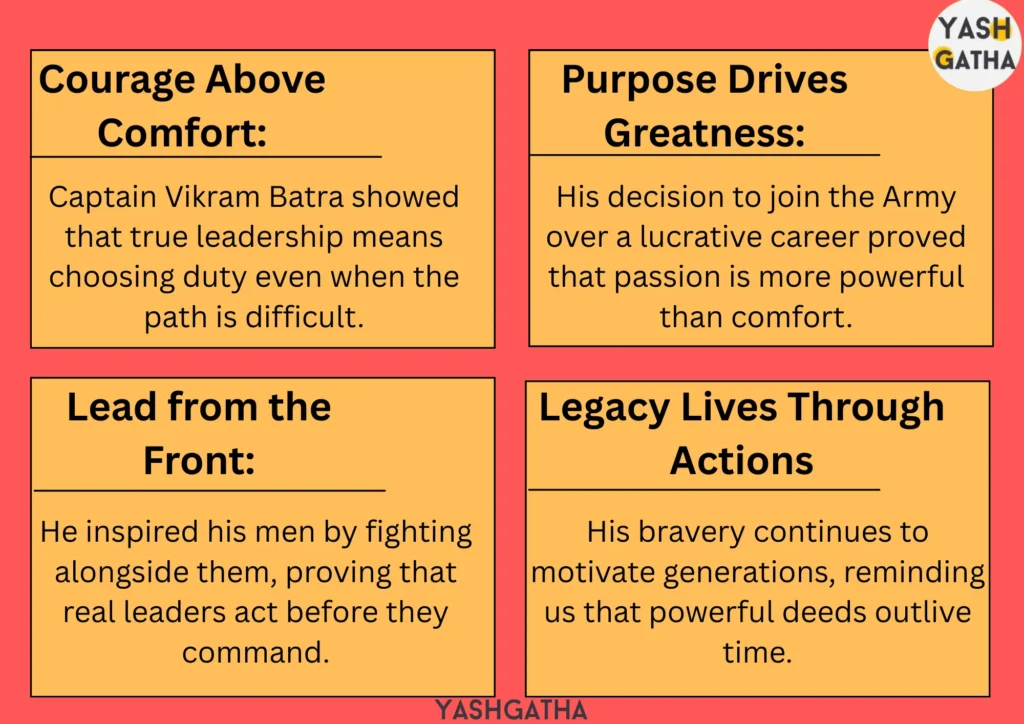
Yashgatha Takeaways:
Related posts:
 From a Small Village to the Param Vir Chakra: The Unbelievable Journey of Naik Jadunath Singh
 The Incredible True Story of Rama Raghoba Rane – India’s Legendary Param Vir Chakra Warrior
 Lt. Col. Ardeshir Tarapore: The Unstoppable Warrior Who Redefined Courage in the 1965 War
 Albert Ekka: The Tribal Warrior Who Became India’s Param Vir Chakra Legend