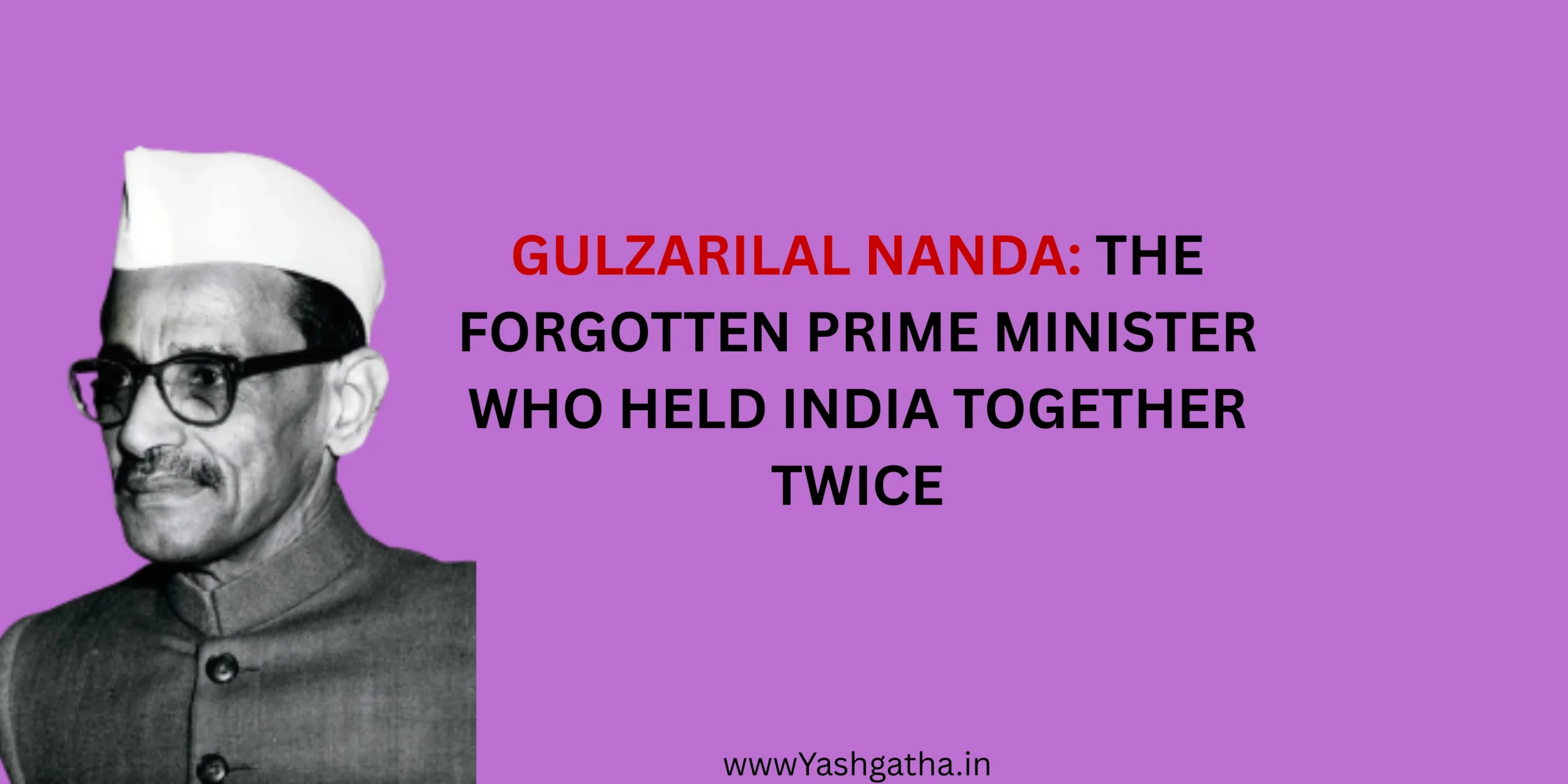
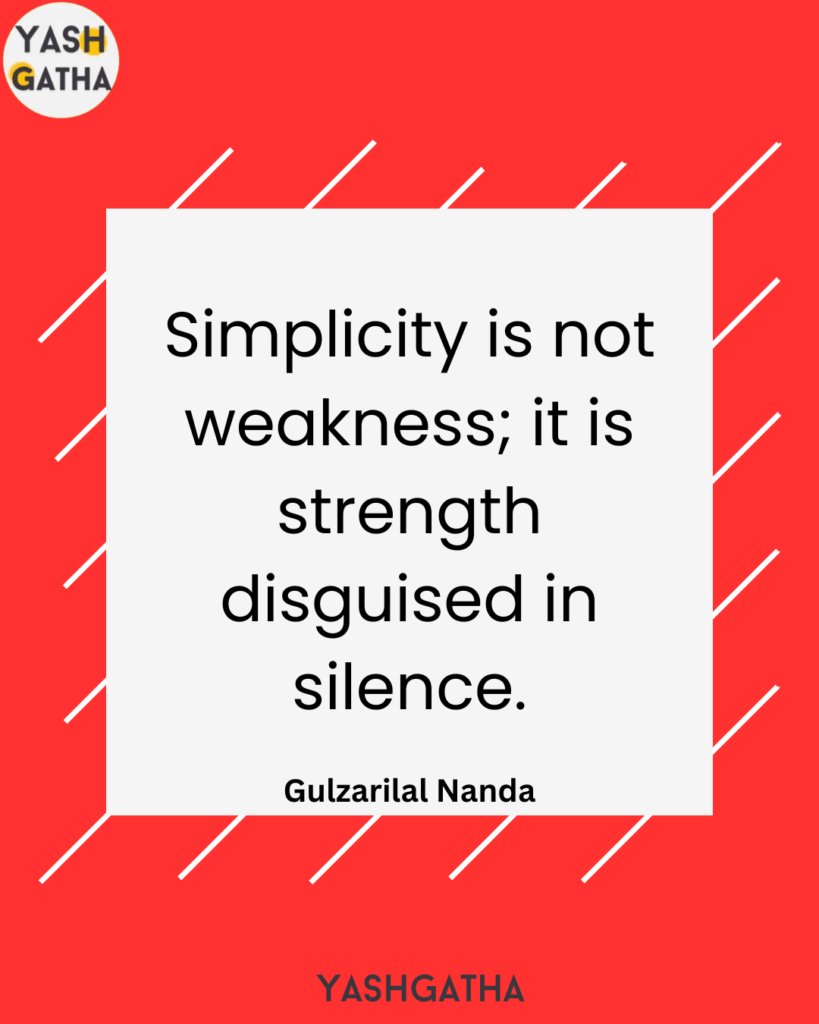
Gulzarilal Nanda was an Indian economist, freedom fighter, and statesman who twice served as the Acting Prime Minister of India. Born in Sialkot, Punjab (now in Pakistan) in 1898, he dedicated his life to public service and labor welfare. Honored with the Bharat Ratna in 1997, Nanda was known for his simplicity, integrity, and commitment to democratic values. A visionary leader in politics and social reform, he believed in serving the nation selflessly, once remarking, “True leadership is service without ambition.”
Gulzarilal Nanda, India’s twice Acting Prime Minister, remains one of the nation’s most overlooked leaders. Known for his honesty, simplicity, and unwavering integrity, Nanda guided India through political turmoil after the deaths of Jawaharlal Nehru and Lal Bahadur Shastri. From humble beginnings to receiving the Bharat Ratna in 1997, his life symbolizes service over power — a reminder that true leadership lies in humility and dedication to the nation.
Early Life & Challenges :
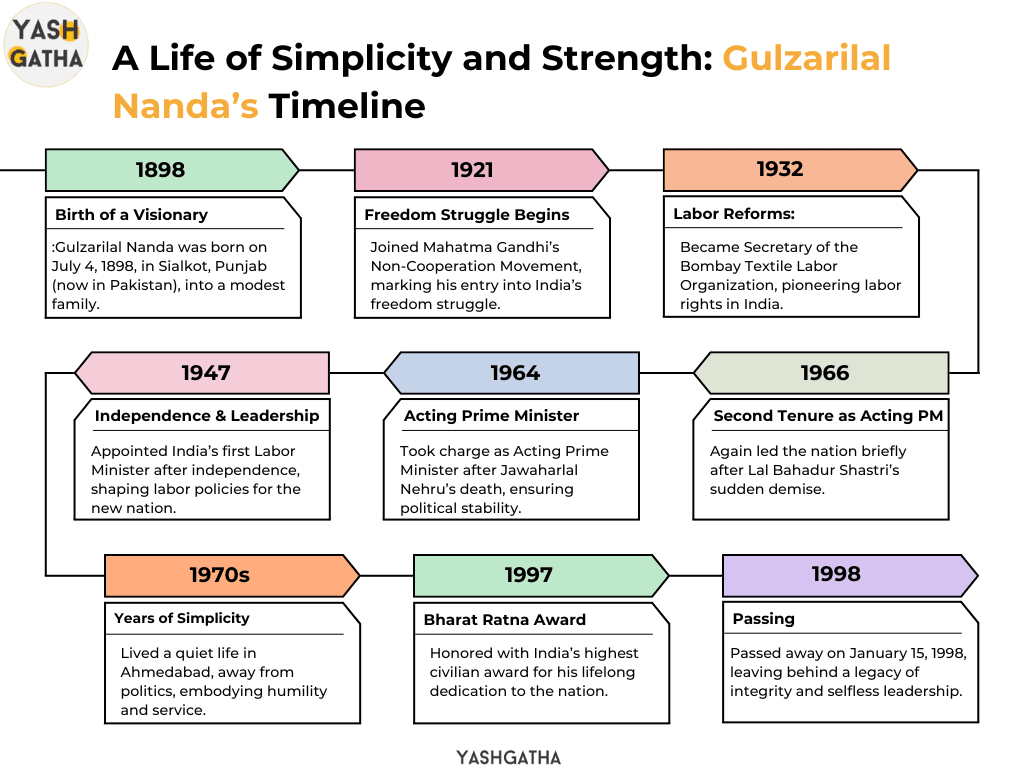
Gulzarilal Nanda was born on July 4, 1898, in Sialkot, Punjab Province (now in Pakistan) into a humble family. From an early age, he displayed a sharp intellect and a strong sense of social responsibility. Despite limited resources, Nanda pursued higher education and earned degrees in Economics and Political Science, showcasing his passion for knowledge and reform.
His journey toward national service began during the Indian Freedom Movement, where he was deeply influenced by Mahatma Gandhi’s ideals of non-violence and selfless service. He actively participated in the Non-Cooperation Movement of 1921, which led to his first imprisonment by the British authorities. These early struggles only strengthened his determination to fight for India’s independence and social justice.
After his release, Nanda focused on labor welfare and became one of India’s earliest and most respected labor economists. He served as Secretary of the Bombay Textile Labor Organization and later helped establish key labor reforms aimed at protecting workers’ rights.
However, his life was never easy. Nanda often faced political neglect and financial hardship despite his contributions. Yet, he never allowed personal struggles to overshadow his dedication to the country. His simplicity, integrity, and faith in ethical governance became his guiding principles in a world increasingly driven by power and politics.
The Turning Point :
The Recognition & Award :
In 1997, nearly five decades after India’s independence, Gulzarilal Nanda was honored with the Bharat Ratna, the nation’s highest civilian award. It was a long-overdue recognition of his immense contribution to India’s political stability, labor reforms, and moral governance.
Nanda’s leadership stood out not for its duration but for its dignity, honesty, and discipline. Despite twice serving as the Acting Prime Minister of India, he never sought power or personal gain. His simple lifestyle and transparent politics earned him respect across party lines. The Bharat Ratna acknowledged his lifelong dedication to public service, labor welfare, and democratic ideals. This honor symbolized India’s gratitude to a man who quietly held the nation together during its most critical transitions.
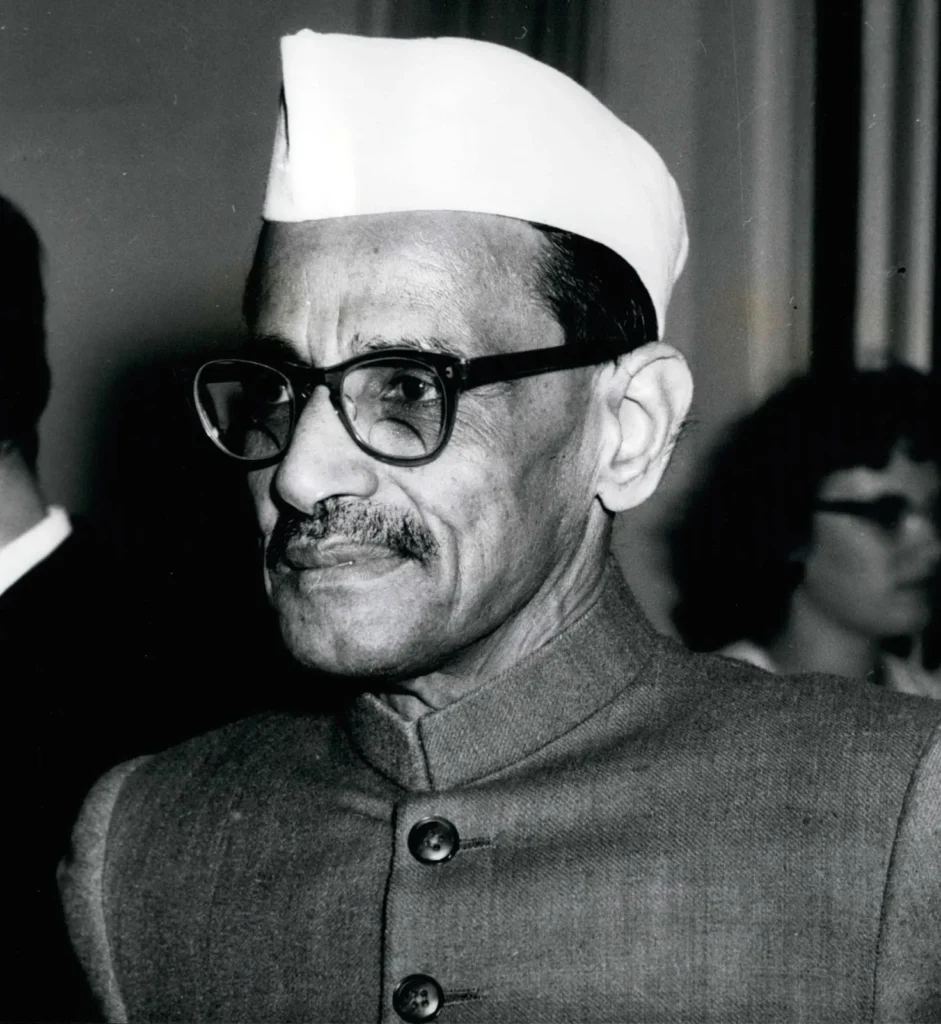
What Changed After the Awards :
Receiving the Bharat Ratna in 1997 brought long-awaited recognition to Gulzarilal Nanda’s life of integrity and service. For decades, he had lived quietly, away from the spotlight — but the award rekindled national respect for his forgotten legacy.
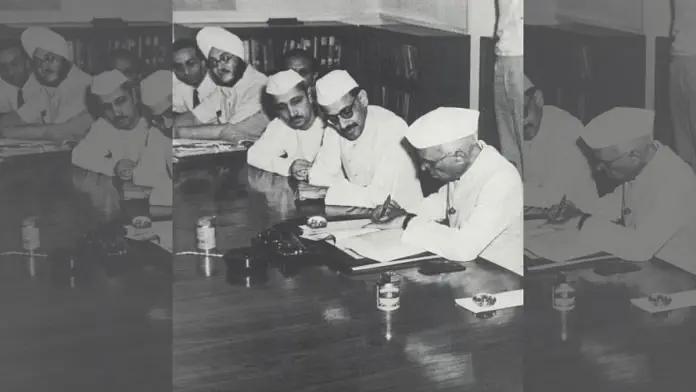
Here’s what changed after the honor:
- National Recognition Restored: His name re-emerged in India’s political history, reminding citizens of his role in maintaining stability after Nehru and Shastri’s deaths.
- Educational Revival: Schools and universities began including chapters about Nanda’s contributions to labor reforms and governance in their civics and history curriculums.
- Institutions Renamed: Several public institutions, research centers, and roads were renamed in his honor to preserve his memory.
- Public Awareness: Documentaries, articles, and biographical works revisited his story, highlighting him as the “silent guardian of Indian democracy.”
- Inspiration for Leaders: His humility and incorruptible spirit became a moral example for politicians and civil servants.
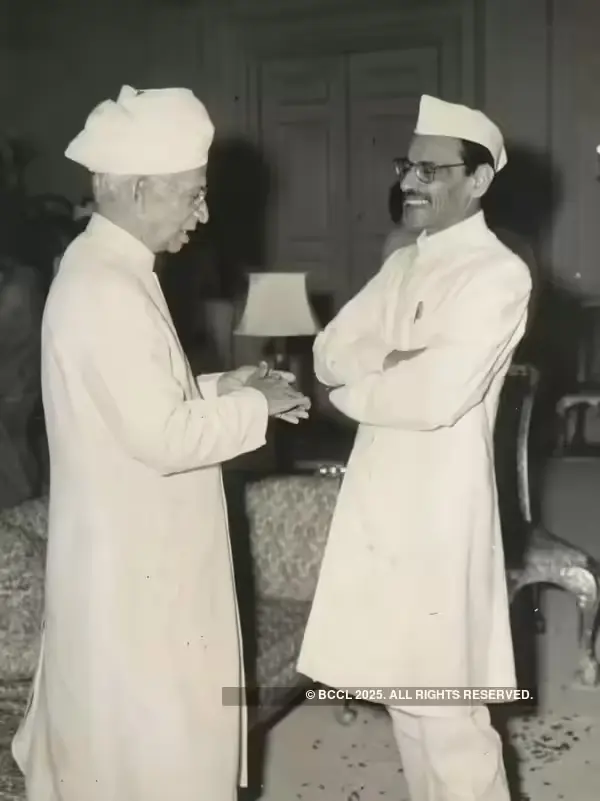
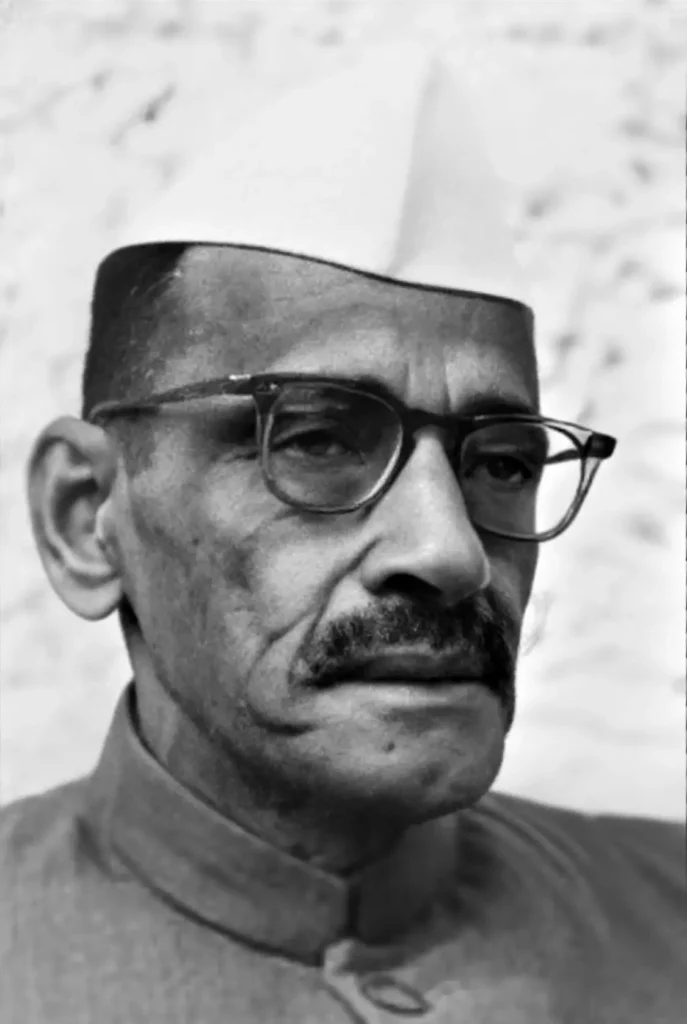
Yashgatha Takeaways :

Related posts:
 From Village Boy to Bharat Ratna: The Untold Story of M. Visvesvaraya
 How Lal Bahadur Shastri’s Simplicity Changed India Forever – A Legacy Beyond Politics
 The Incredible Life of B.R. Ambedkar: From Poverty to Bharat Ratna Glory
 The Untold Story of Satyajit Ray — India’s Master Storyteller Who Inspired the World.