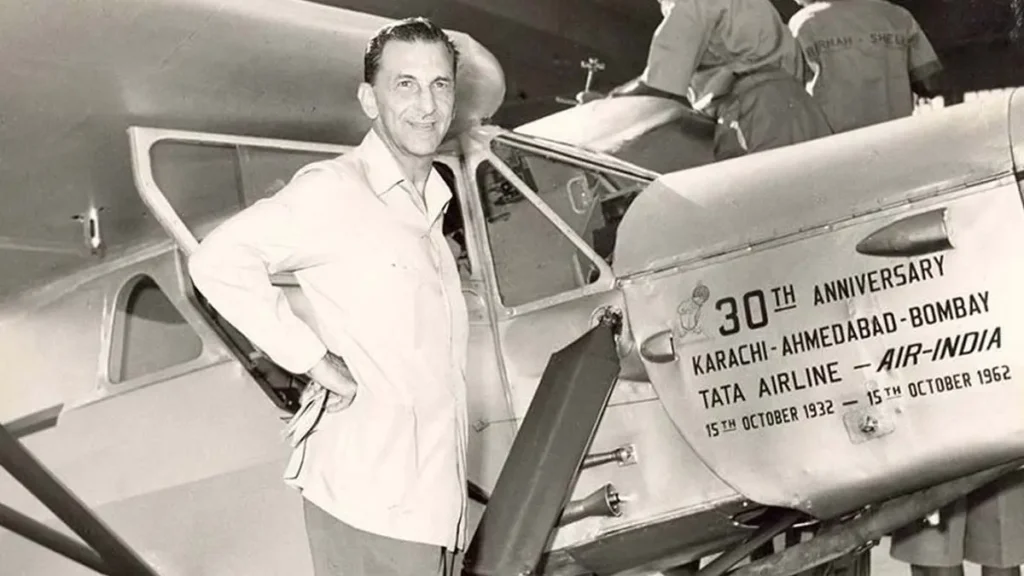
Jehangir Ratanji Dadabhoy Tata, fondly known as J.R.D. Tata, was an Indian industrialist, aviator, and philanthropist who founded Air India and led the Tata Group to global prominence. Born in Paris in 1904, he became India’s first licensed pilot and one of the country’s most respected business leaders. Honored with the Bharat Ratna in 1992 for his visionary contributions to industry and aviation, J.R.D. Tata’s legacy continues to inspire generations with his belief that “to be a leader, you have got to lead human beings with affection.”

J.R.D. Tata — the man who turned dreams into destinations. From giving India its first commercial airline to building one of the most trusted industrial empires, his life was a blend of courage, innovation, and compassion. Known as the father of Indian aviation and a pioneer of modern industry, J.R.D. Tata proved that true success lies not in profit, but in purpose.
Early Life & Challenges :
J.R.D. Tata was born on July 29, 1904, in Paris, France, to Ratanji Dadabhoy Tata and Suzanne Brière — making him the first Indian industrialist of French descent. Growing up between two worlds, he absorbed both the discipline of the West and the values of India. His cosmopolitan upbringing shaped his curiosity, humility, and sense of responsibility.
As a child, he was fascinated by airplanes and technology — a rare passion in the early 1900s. He studied in France, Japan, and England, but his education was interrupted when World War I broke out, forcing his family to move frequently. Despite these challenges, young Jehangir developed resilience and adaptability. When his mother passed away early in his life, he was deeply affected, yet it made him more compassionate and grounded.
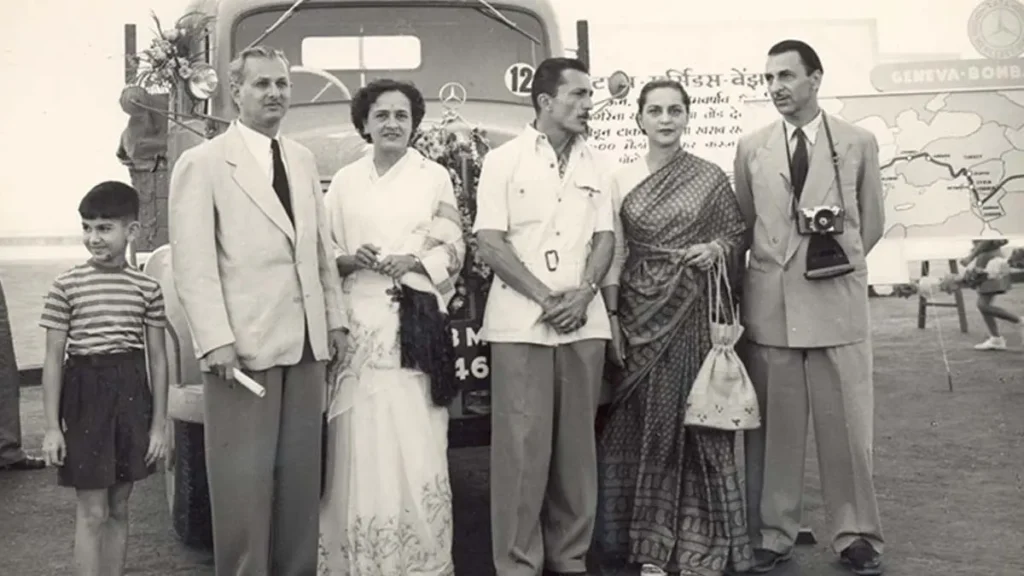
Later, when his father died in 1926, the responsibility of continuing the Tata legacy fell upon his shoulders at a very young age. At just 25 years old, J.R.D. joined the Tata Group — without a formal business degree or experience — but with a vision to make India self-reliant. He faced a colonial economy dominated by British companies, restrictive policies, and skepticism toward Indian entrepreneurs. Still, his determination to build world-class industries and create opportunities for Indians never wavered.
His early years were a blend of personal loss, cultural challenges, and the fight for national pride, all of which molded him into a visionary who believed in excellence, ethics, and human values.
The Turning Point :
The Recognition & Award :
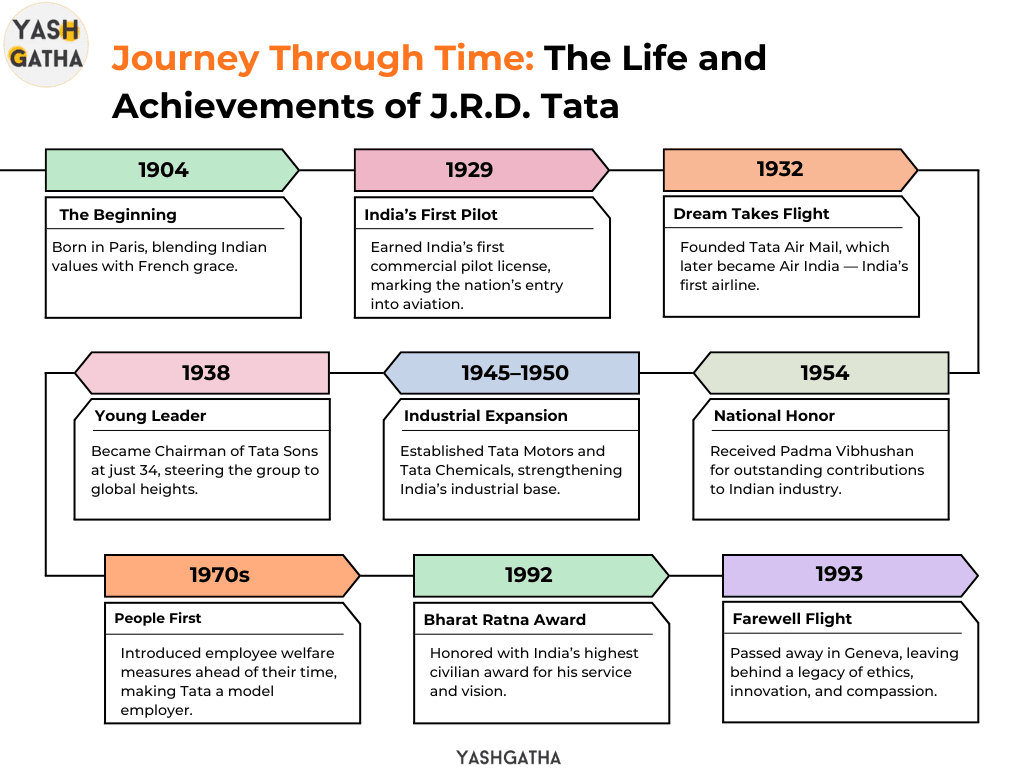
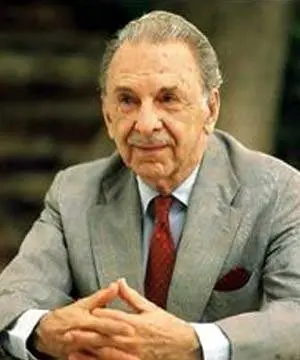
J.R.D. Tata’s life was a celebration of integrity, innovation, and leadership — qualities that earned him some of the nation’s highest honors. In 1954, he was awarded the Padma Vibhushan, recognizing his outstanding contribution to Indian industry and aviation. But it was in 1992 that his lifelong dedication to building modern India was crowned with the Bharat Ratna, the country’s highest civilian award. Despite the global acclaim, J.R.D. remained humble. When presented with the Bharat Ratna, he reportedly said, “I do not deserve it. But if my country feels I do, I accept it with gratitude.”
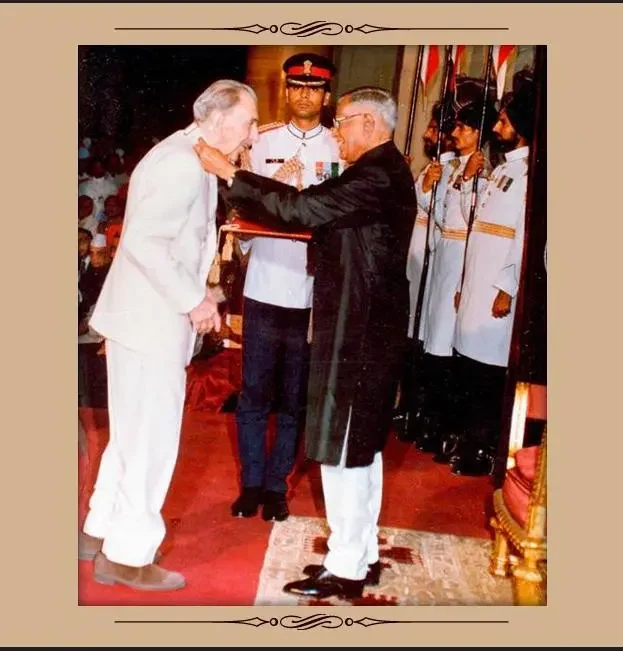
Under his leadership, the Tata Group became synonymous with trust, ethics, and nation-building. He also received international honors from France and the United Nations for his humanitarian efforts. Each recognition was not merely an award — it was a tribute to his vision of a self-reliant, compassionate India.
What Changed After the Awards :
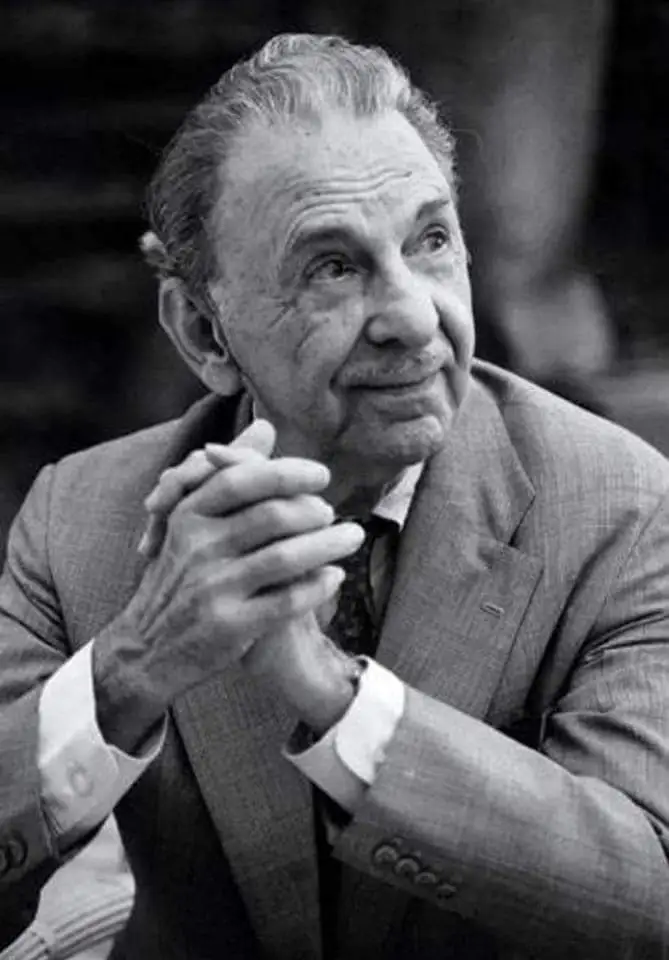
Receiving the Bharat Ratna in 1992 not only honored J.R.D. Tata’s extraordinary achievements but also reignited national pride in ethical leadership and innovation. His recognition reshaped the way India viewed industrialists — not just as businessmen, but as nation-builders.
Here’s what transformed after the awards:
- Global Recognition: The Tata Group gained even greater international credibility, expanding its presence across continents.
- Corporate Ethics Movement: His principles inspired Indian companies to adopt fair labor practices, transparency, and social responsibility.
- Employee Welfare as a Standard: The welfare schemes he initiated became benchmarks for corporate culture in India.
- Leadership Legacy: Young entrepreneurs began studying his management style — ethical, visionary, and people-centric.
- Public Inspiration: The Bharat Ratna reminded the nation that business success can coexist with humanity and humility.
- Enduring Brand Trust: Even after his passing, Tata’s name became synonymous with trust, quality, and national service.
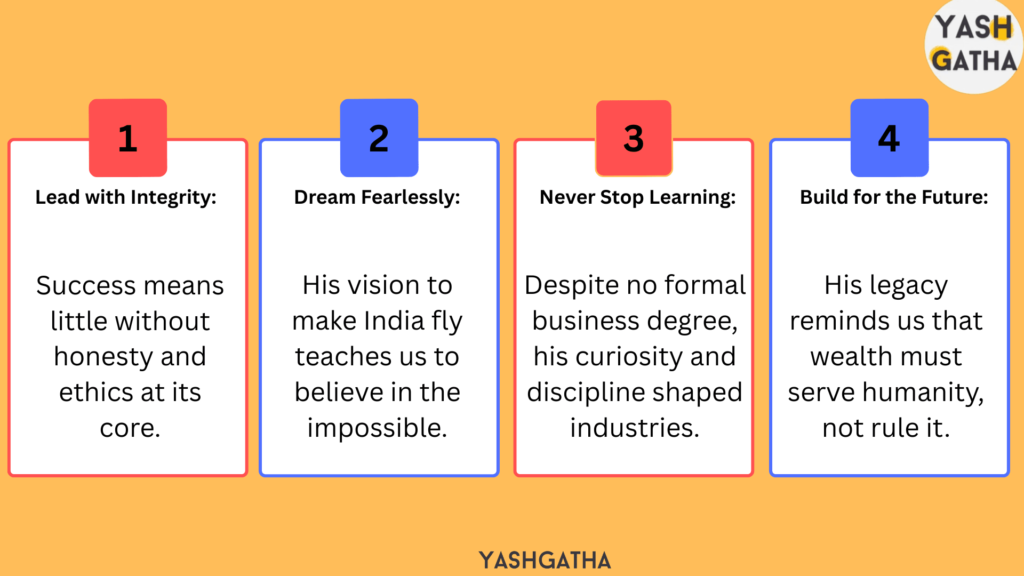
Yashgatha Takeaways :
Related posts:
 Aruna Asaf Ali: The Woman Who Defied the British and Lit India’s Freedom Flame
 A. P. J. Abdul Kalam: The Missile Man Who Turned Dreams Into Destiny
 From Village Boy to Bharat Ratna: The Untold Story of M. Visvesvaraya
 How Lal Bahadur Shastri’s Simplicity Changed India Forever – A Legacy Beyond Politics