Rajinder Singh was an Indian Army braveheart and Mahavir Chakra awardee, remembered for his extraordinary courage, unwavering duty, and inspirational service to the nation. Rajinder Singh, recipient of the Mahavir Chakra, is remembered as a symbol of fearless service and unshakable courage. Born into humble beginnings, he rose through discipline and determination to serve the nation when it needed him most. His life proves that true heroes are not made by comfort, but by commitment to duty, honor, and sacrifice.
Early Life & Challenges:
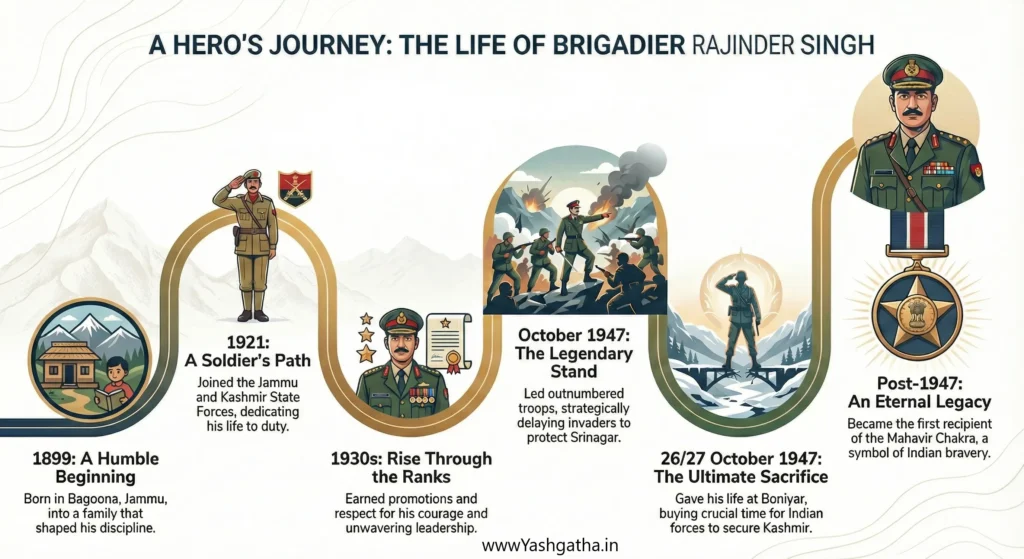
Brigadier Rajinder Singh was born on 14 June 1899 in the quiet village of Bagoona in Jammu. Raised in a simple environment, he grew up learning the values of discipline, responsibility, and service. Life in rural Jammu was not easy. Opportunities were limited, and hardships were part of everyday living. These early struggles shaped his strong character. From a young age, Rajinder Singh showed signs of leadership and courage. He was hardworking, physically active, and deeply respectful toward elders and teachers. The stories of soldiers and protectors of the land left a lasting impression on him. He believed that serving the nation was not a profession, but a purpose.
In 1921, he joined the Jammu and Kashmir State Forces. Military life tested him constantly. Harsh training, strict discipline, and emotional distance from family were major challenges. Yet, he never complained. Instead, he used every hardship to sharpen his endurance and leadership. Over the years, through dedication and courage, he rose through the ranks. His journey from a young recruit to a Brigadier was built on sacrifice, loyalty, and relentless service.
Turning Point:
The Recognition & Award:
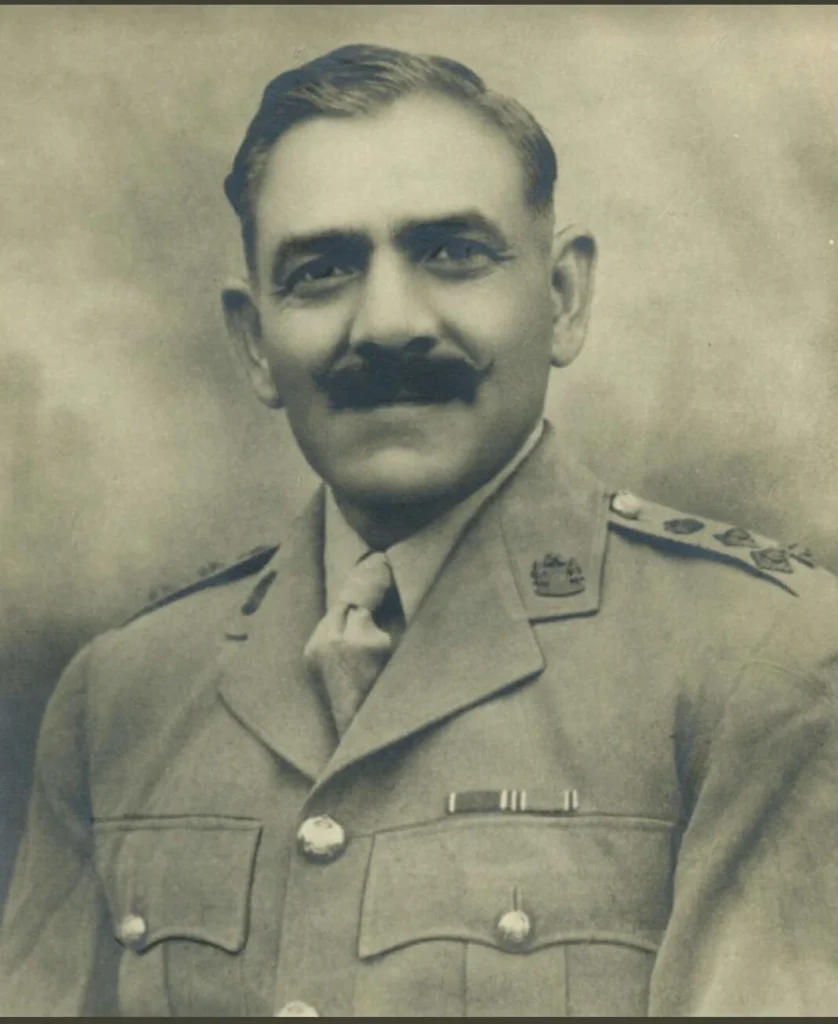
Brigadier Rajinder Singh’s extraordinary courage and supreme sacrifice did not go unnoticed. For his fearless leadership during the 1947 Indo-Pakistani War and his historic stand against invading forces, he was posthumously awarded the Mahavir Chakra, India’s second-highest military decoration for gallantry. He holds a unique place in Indian history as the first-ever recipient of the Mahavir Chakra.
The award recognized not only his bravery on the battlefield, but the monumental impact of his actions. By delaying the enemy’s advance with limited troops and resources, Brigadier Rajinder Singh bought invaluable time for Indian forces to reach Srinagar and defend Jammu and Kashmir. The Mahavir Chakra stands today as the nation’s salute to a commander who chose resistance over retreat and duty over life.
What Changed After the Award :
Brigadier Rajinder Singh’s Mahavir Chakra transformed his sacrifice into a national legacy. Though he was no longer alive, his courage began shaping generations.
After the award, his impact grew in powerful ways:
- National Recognition: He was honored as the first Mahavir Chakra awardee and a pioneer of post-Independence military valor.
- Military Legacy: His 1947 stand became a case study in leadership and battlefield courage.
- Symbol of Sacrifice: He came to be remembered as the man who bought time for India to defend Kashmir.
- Memorial Honors: Institutions, places, and stories began carrying his name forward.
- Inspiration for Youth: His journey started motivating young Indians to join the armed forces.
- Historical Importance: His actions were officially recorded as a turning point in the defense of Jammu and Kashmir.
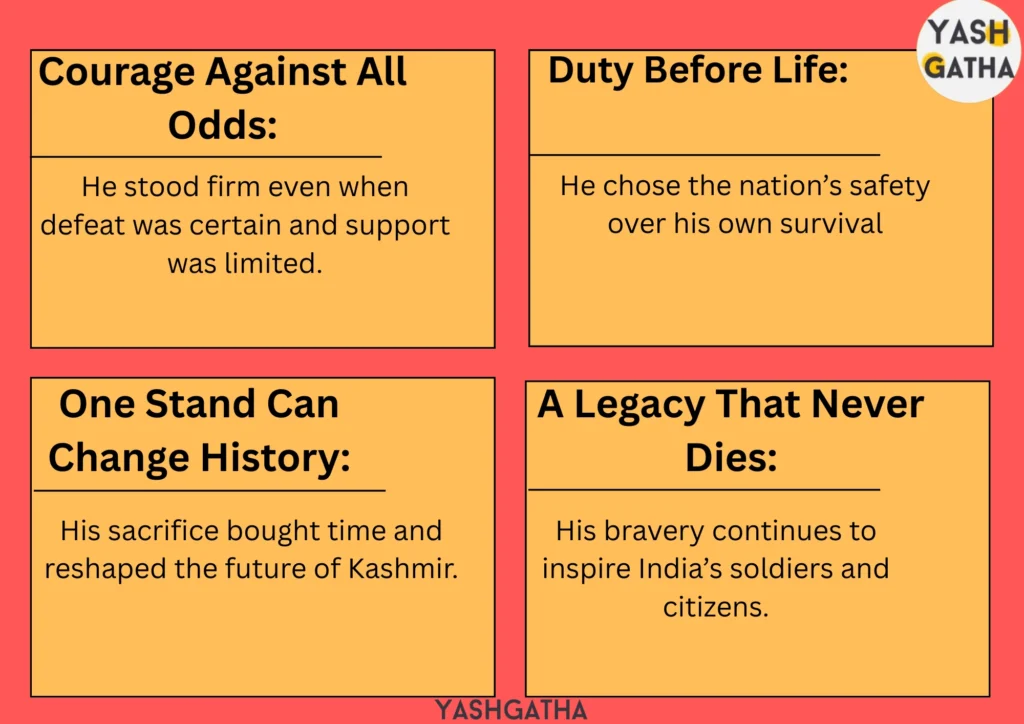
Yashgatha Takeaways:
Related posts:
 Major Jag Mohan Nath MVC: The Untold Story of a Braveheart Who Refused to Step Back
 The Untold Story of Subedar Bishan Singh: India’s Hero of the 1947 Kashmir War
 Khushal Chand MVC: How One Brave Officer Became the ‘Saviour of Ladakh’
 Mohammad Usman MVC: The Untold Story of India’s Fearless ‘Lion of Kashmir’