Subedar Joginder Singh, a brave soldier from Mahla Kalan in Punjab, was awarded the Param Vir Chakra in 1962 for his extraordinary courage and leadership during the Indo-China War. Subedar Joginder Singh, one of India’s most fearless soldiers, rose from a humble village in Punjab to become a national icon of courage. Best known for his unmatched bravery during the 1962 Indo-China War, he led his men in a historic last stand that continues to inspire generations. His story is a timeless reminder that true heroism is born in moments of overwhelming odds—and lived through the legacy one leaves behind.

Early Life & Challenges :
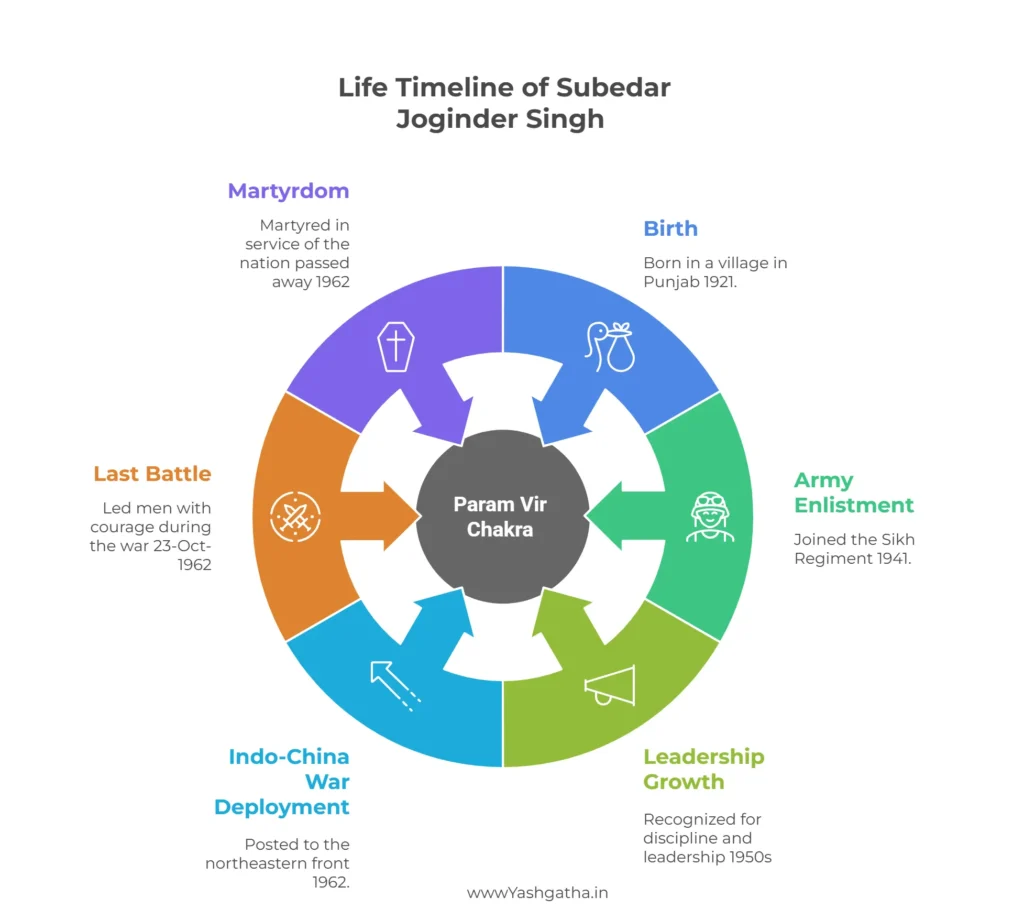
Subedar Joginder Singh was born in 1921 in Mahla Kalan, a small village in Punjab where life revolved around farming and physical hard work. Growing up in a modest household, he learned early the values of discipline, resilience, and commitment. His family faced financial struggles, and every day required effort just to meet basic needs. Yet, these challenges shaped his character rather than weakened it.
From a young age, Joginder Singh showed exceptional physical strength and a deep sense of responsibility. Life in rural Punjab was tough—limited resources, long working hours in the fields, and few opportunities for advancement. Despite these obstacles, he maintained a strong desire to serve the nation. That dream became clearer when he witnessed soldiers returning to nearby villages, embodying dignity and purpose.
The hardships of his childhood built the foundation of his future—teaching him endurance, grit, and fearlessness. These early life lessons prepared him for the most demanding battlefields, where he would one day rise as one of India’s most courageous soldiers.
The Turning Point :
The Recognition & Award:
Subedar Joginder Singh’s extraordinary bravery during the 1962 Indo-China War earned him India’s highest military honor — the Param Vir Chakra, awarded posthumously. His fearless leadership, unwavering courage, and refusal to abandon his post even when heavily outnumbered made him a symbol of ultimate sacrifice.
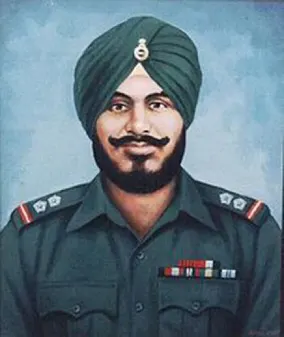
His Param Vir Chakra citation honors him for:
- Leading his men with exceptional determination
- Holding the frontline against overwhelming enemy forces
- Inspiring his troops even in the face of imminent danger
- Displaying bravery “beyond the call of duty”
What Changed After the Award :
After Subedar Joginder Singh was posthumously awarded the Param Vir Chakra, his legacy transformed the way India remembered courage, sacrifice, and leadership. His award didn’t just honor a soldier — it inspired a nation.
Key Changes After the Award:
- National Recognition:
His name became synonymous with bravery, and he was celebrated as one of India’s greatest war heroes. - Inspiration for Future Soldiers:
His story became a part of military training and motivational lessons for young recruits. - Memorials & Statues Built:
Monuments, memorial stones, and plaques were installed across India to honor his sacrifice. - School Textbooks & History Records:
His bravery was officially included in educational content, ensuring that students learn about his contribution. - Regiment Pride:
The Sikh Regiment continues to remember him as one of its finest warriors, celebrating his courage every year. - Public Awareness & Films:
His story has been revisited in documentaries and public events, keeping his legacy alive for new generations. - Family Honor & National Respect:
His family received widespread recognition, and his village became a symbol of pride for the entire nation.
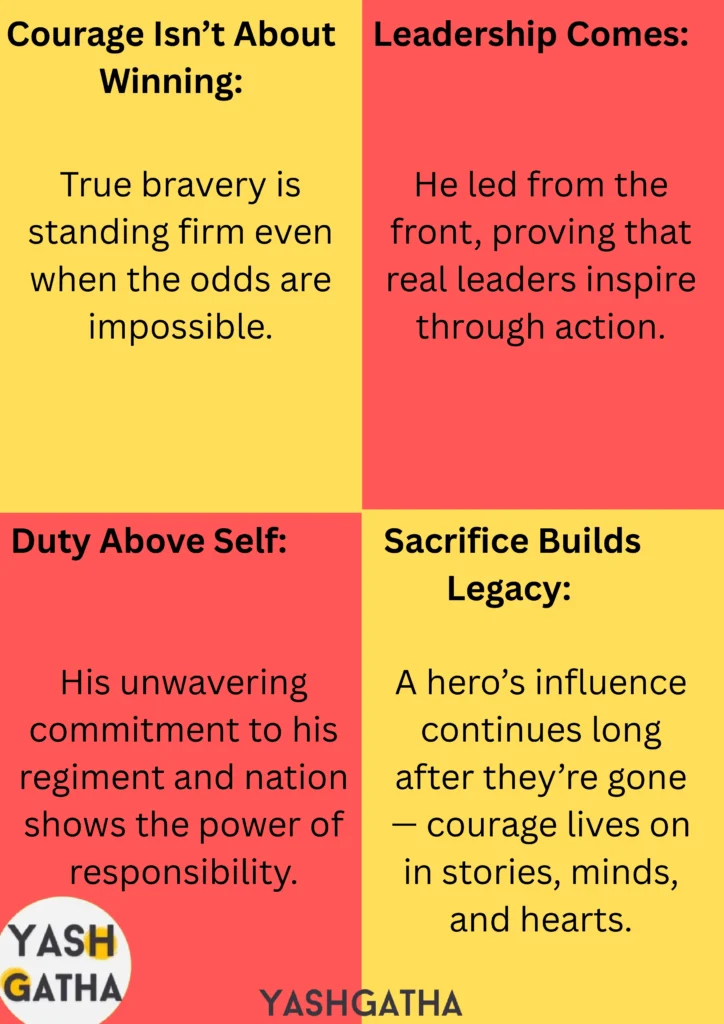
Yashgatha Takeaways:
Related posts:
 From a Small Village to the Param Vir Chakra: The Unbelievable Journey of Naik Jadunath Singh
 The Incredible True Story of Rama Raghoba Rane – India’s Legendary Param Vir Chakra Warrior
 The Untold Bravery of Lance Naik Karam Singh — India’s Lion of the 1948 War
 The Untold Story of Major Dhan Singh Thapa — The Hero Who Defended Pangong Against Impossible Odds