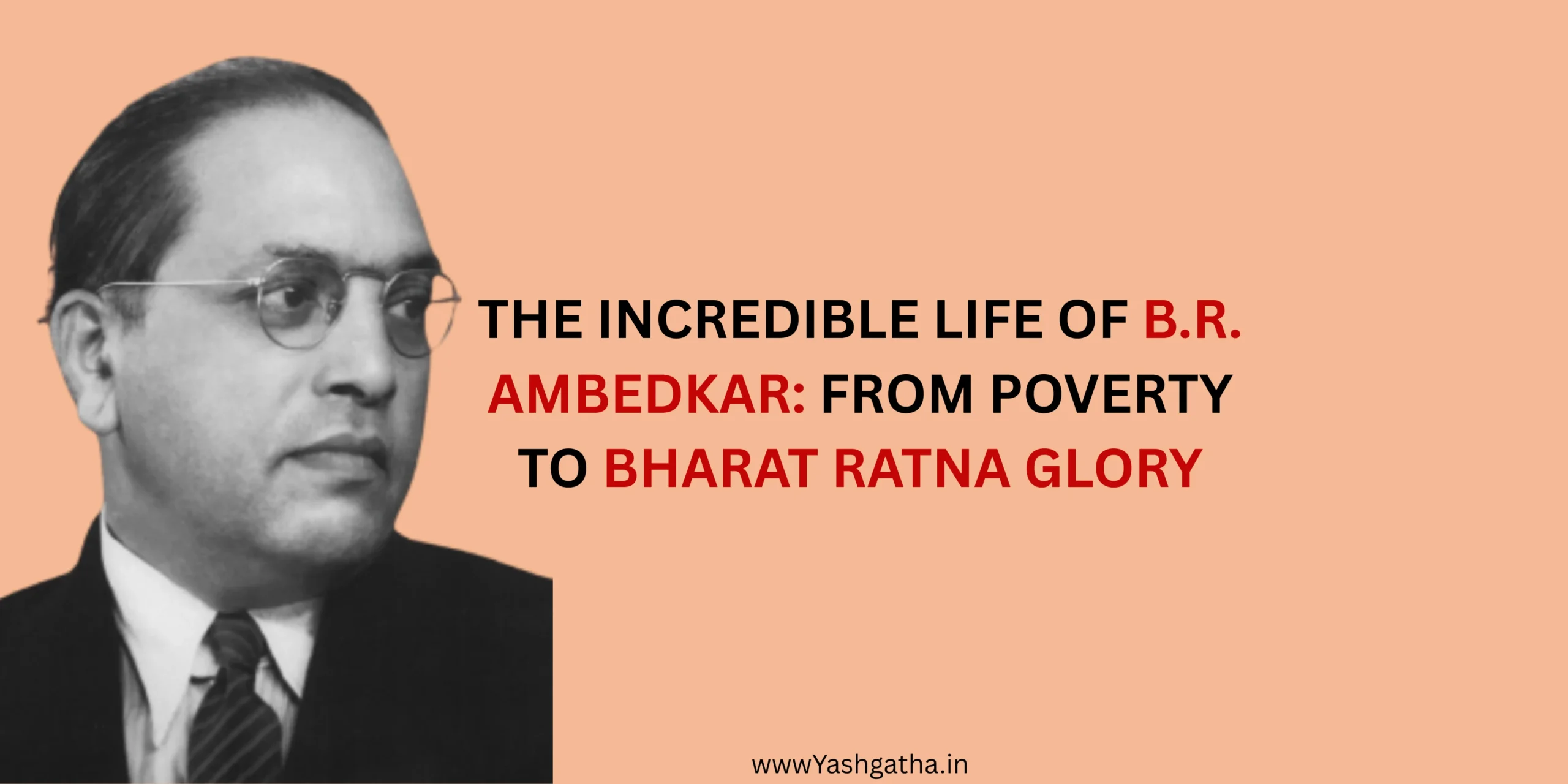
B.R. Ambedkar, born in Mhow, Madhya Pradesh, was a visionary leader, social reformer, and principal architect of the Indian Constitution, honored posthumously with the Bharat Ratna in 1990, who transformed India through education, law, and equality; as he famously said, “Cultivation of mind should be the ultimate aim of human existence.” Dr. B.R. Ambedkar, the principal architect of the Indian Constitution, rose from the harsh realities of caste discrimination to become a champion of equality, education, and social justice.

His extraordinary journey from a marginalized childhood to shaping modern India inspires millions. Through relentless determination, Ambedkar fought for the rights of the oppressed, redefined the meaning of leadership, and left an enduring legacy that continues to transform society.
Early Life & Challenges :
B.R. Ambedkar was born on 14th April 1891 in Mhow, Madhya Pradesh, into a Mahar (Dalit) family, one of the most marginalized communities in India. From the very beginning, his life was marked by severe social discrimination, poverty, and exclusion.
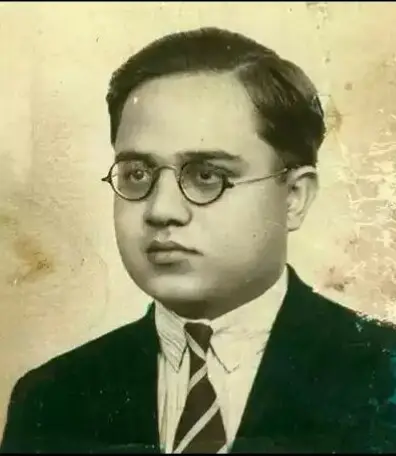
- Caste-Based Discrimination: Ambedkar faced humiliation in schools, temples, and even public water sources because of his caste. Despite these barriers, he remained determined to pursue education.
- Financial Hardships: His family struggled to make ends meet, often facing extreme poverty. Yet, Ambedkar’s father, Ramji Maloji Sakpal, encouraged him to study, planting the seeds of ambition and resilience.
- Health Struggles: Young Ambedkar battled frequent illnesses, which made his journey to education even more challenging.
- Barriers to Education: Many schools denied him admission due to his caste, forcing him to travel long distances to access learning.
- Early Inspiration: Despite hardships, he developed a deep love for learning, fueled by the belief that education was the key to liberation and social equality.
Ambedkar’s early life was a struggle against societal injustice, yet it also shaped his resolve to fight for the rights of the oppressed. His experiences of exclusion and inequality became the foundation for his lifelong mission: to empower marginalized communities and reform Indian society.
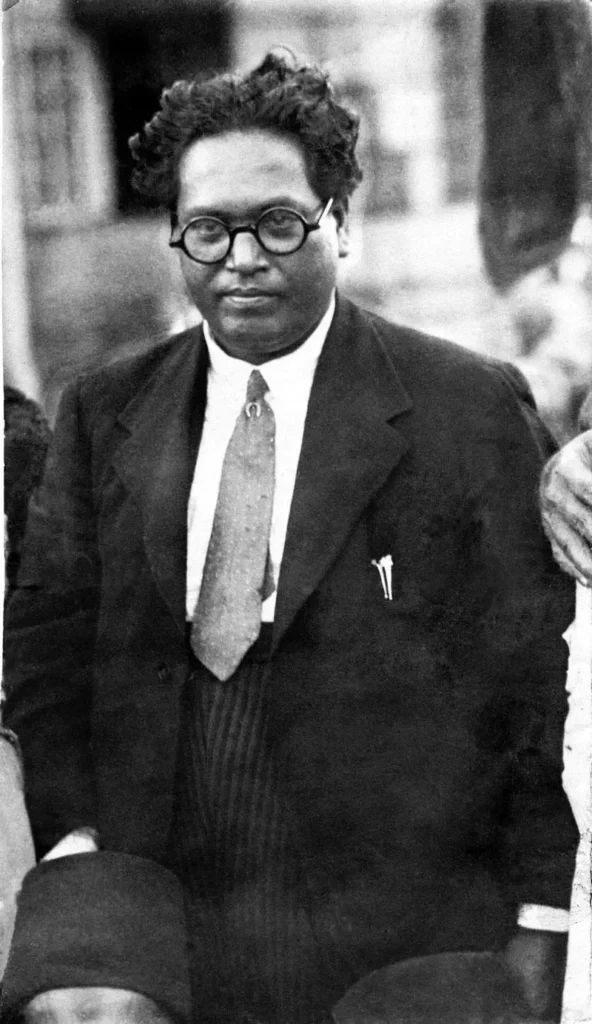
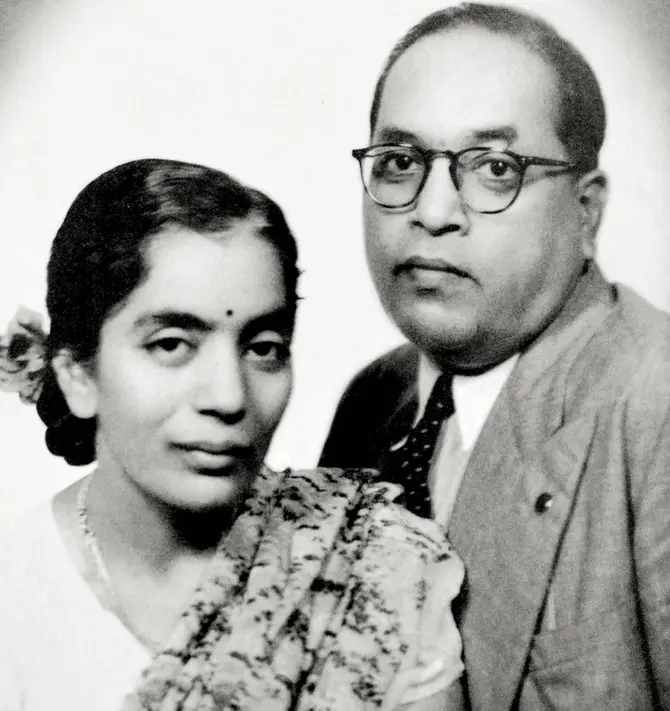
Turning Point:
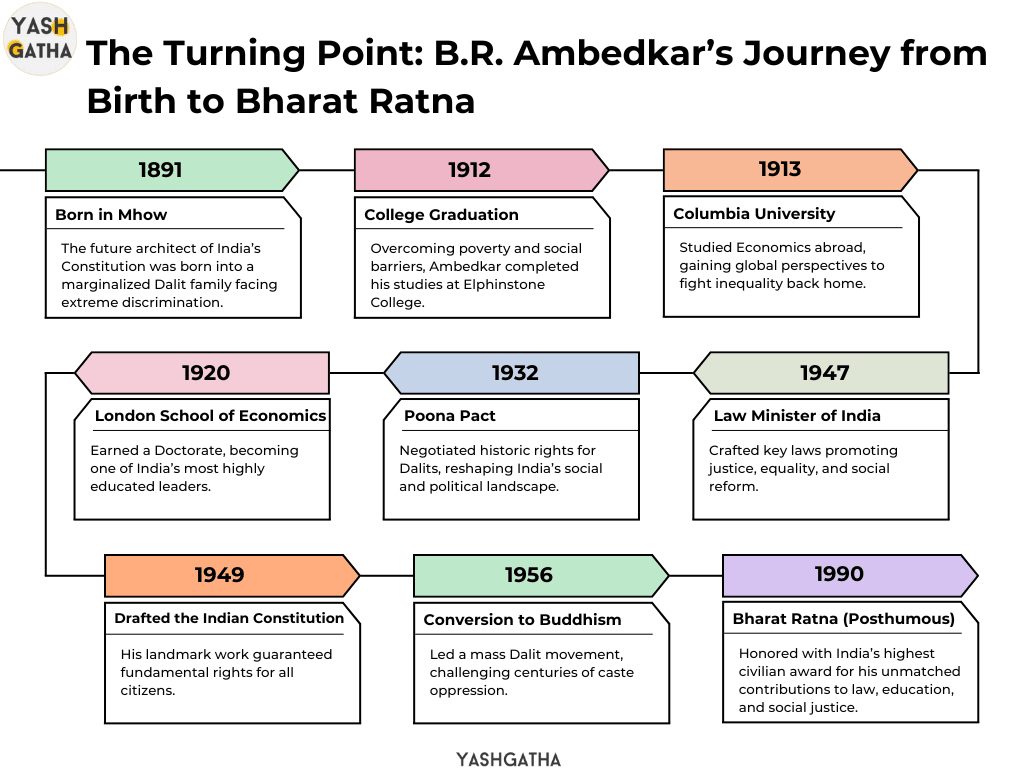
The Recognition & Award :
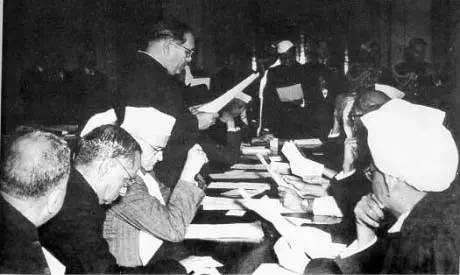
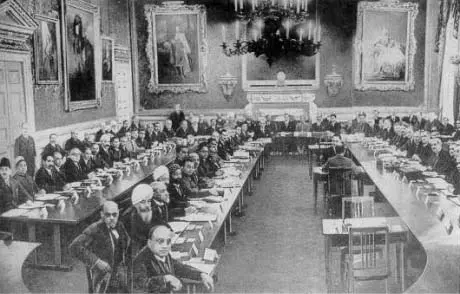
B.R. Ambedkar’s relentless fight for equality, education, and social justice earned him national and global recognition, both during his life and posthumously. The most prestigious acknowledgment of his monumental contributions came in the form of the Bharat Ratna, India’s highest civilian award, conferred posthumously in 1990. This honor symbolizes the nation’s deep respect for his work as the principal architect of the Indian Constitution and his lifelong mission to empower marginalized communities.
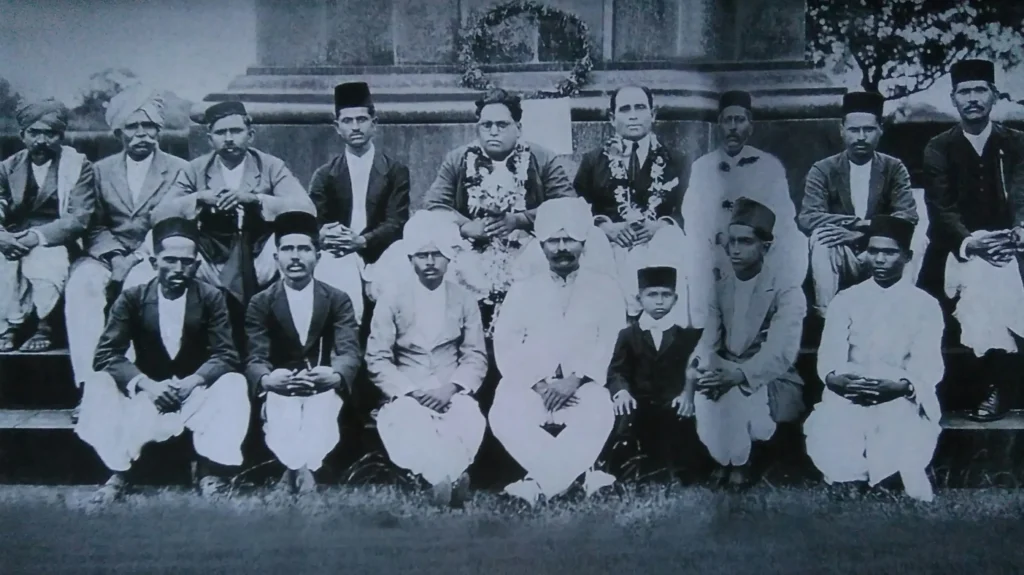
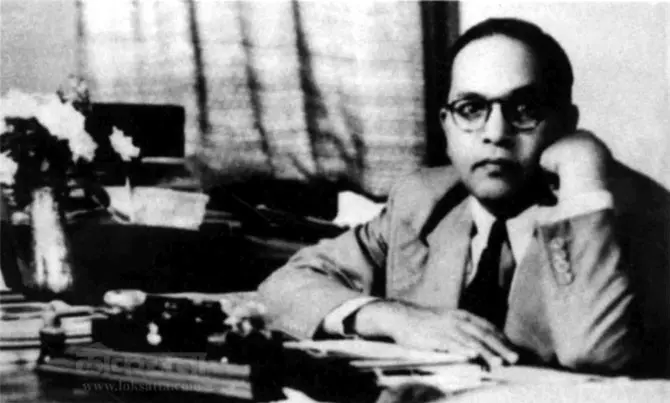
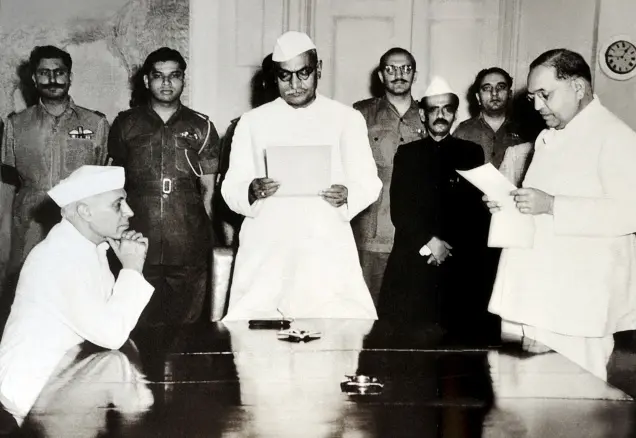
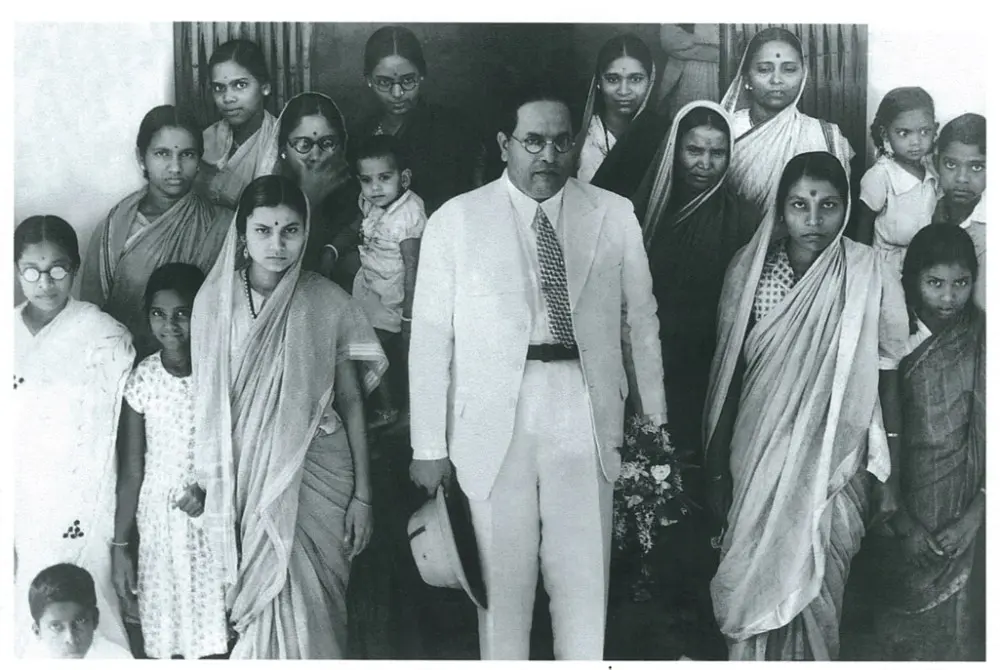
Key Highlights of Recognition:
- Recognized as the Father of the Indian Constitution.
- Posthumously awarded the Bharat Ratna (1990) for exceptional service to the nation.
- Honored globally as a champion of human rights and social reform.
What Changed After the Awards :
Although B.R. Ambedkar was awarded the Bharat Ratna posthumously in 1990, the recognition had a profound impact on how India remembers and honors his legacy. The award reinforced his status as a national icon and inspired generations to continue his work for equality, education, and social reform.
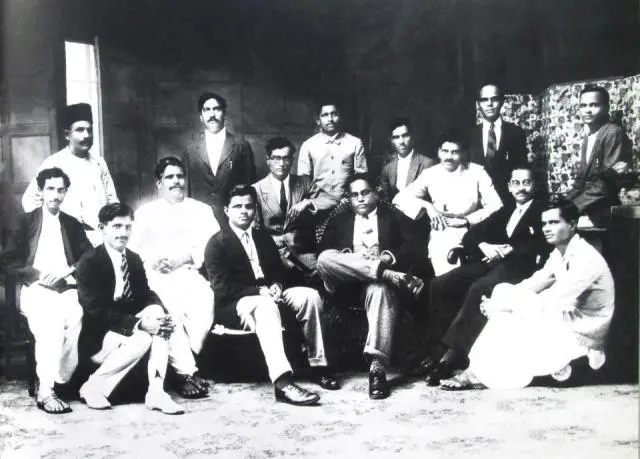
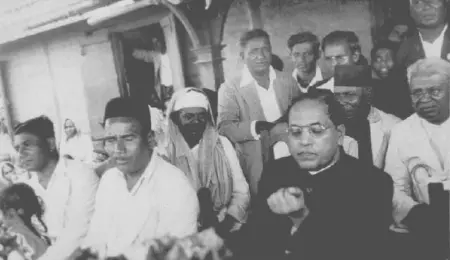
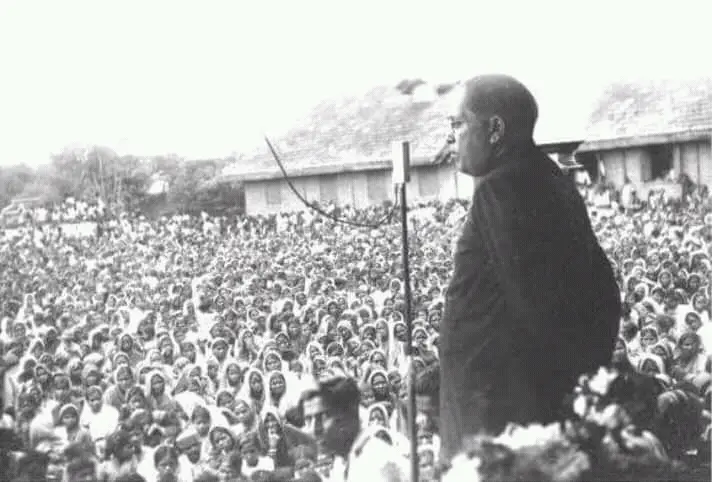
Key Changes and Impacts:
- National Recognition: Cemented Ambedkar’s role as the Father of the Indian Constitution.
- Inspiration for Social Movements: Dalit and human rights movements gained renewed momentum.
- Educational Impact: His life story became a symbol of the power of education against adversity.
- Policy Influence: Strengthened discussions on affirmative action and social justice in India.
- Global Awareness: B.R. Ambedkar became internationally recognized as a champion of human rights.
- Cultural Legacy: Statues, memorials, and institutions were established in his honor.
- Motivation for Future Leaders: Inspired countless leaders to fight inequality and caste discrimination.
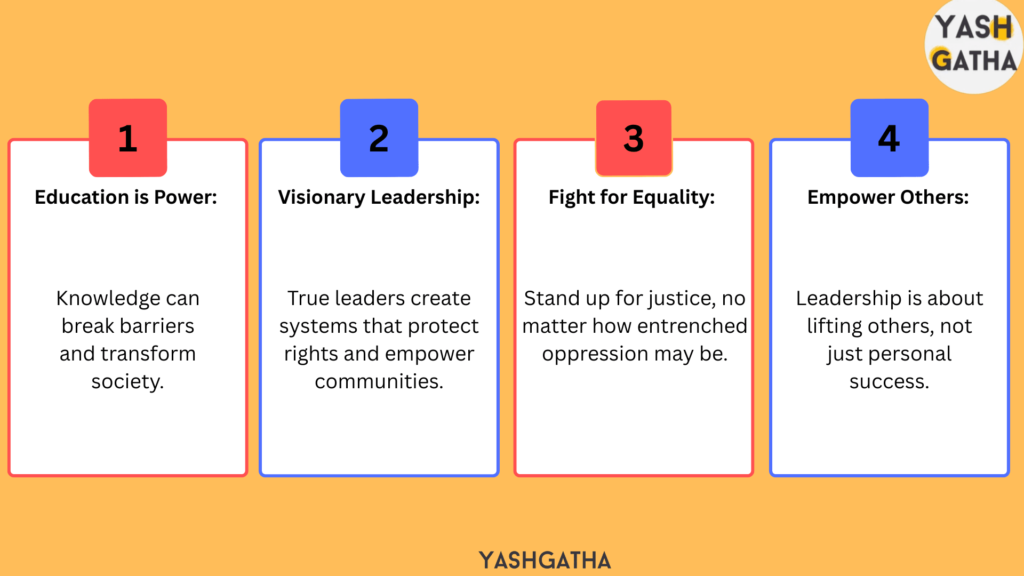
Yashgatha Takeways:
Related posts:
 From Village Boy to Bharat Ratna: The Untold Story of M. Visvesvaraya
 Jawaharlal Nehru: Childhood, Freedom Struggle, and Bharat Ratna Achievements
 How Lal Bahadur Shastri’s Simplicity Changed India Forever – A Legacy Beyond Politics
 How Pandurang Vaman Kane’s History of Dharmasastra Won Him the Bharat Ratna