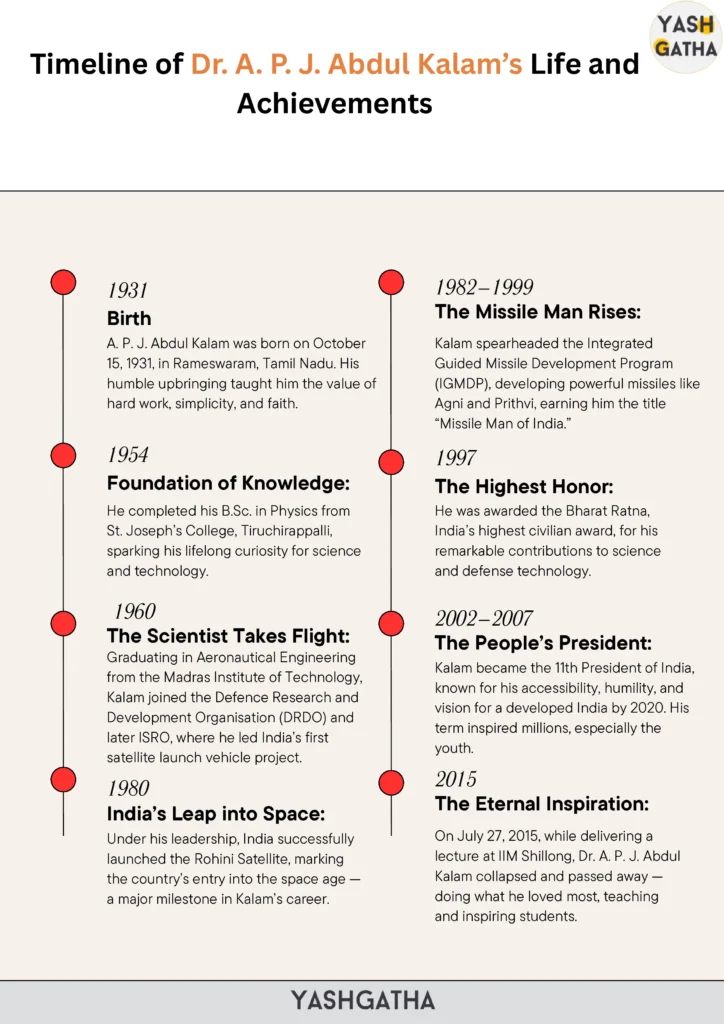
Dr. Avul Pakir Jainulabdeen Abdul Kalam, fondly known as the “Missile Man of India,” was an eminent scientist and the 11th President of India, honored with the Bharat Ratna in 1997 for his outstanding contributions to science, technology, and education. Born in Rameswaram, Tamil Nadu, he dedicated his life to advancing India’s defense and space capabilities while inspiring millions through his wisdom, humility, and vision for a developed nation. Dr. A. P. J. Abdul Kalam, known as the “Missile Man of India,” was a visionary scientist, inspiring teacher, and the 11th President of India. Rising from humble beginnings in Rameswaram, Tamil Nadu, Kalam’s life was fueled by determination, discipline, and dreams.
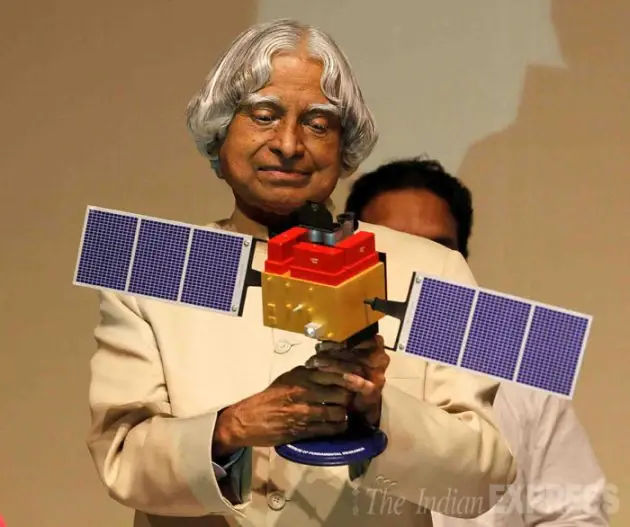
As the chief architect behind India’s missile development programs during the 1980s and 1990s, he played a pivotal role in the creation of Agni (1989) — India’s first intermediate-range ballistic missile, and Prithvi (1988) — India’s first indigenous surface-to-surface missile.
Kalam also contributed significantly to the development of Akash (surface-to-air missile), Nag (anti-tank missile), and Trishul (short-range missile), under the Integrated Guided Missile Development Programme (IGMDP) launched in 1983. His leadership extended to India’s nuclear tests at Pokhran in 1998, which established India as a nuclear power on the global stage. From leading India’s space research at ISRO, where he worked on the SLV-III project (1980) — India’s first satellite launch vehicle — to igniting the scientific spirit in millions of young minds.
Dr. Kalam proved that with hard work and faith, anything is possible. His legacy continues to inspire generations with his timeless words:
“Dreams are not what you see in sleep, but those that don’t let you sleep.”
Early Life & Challenges :
Born on October 15, 1931, in the small coastal town of Rameswaram, Tamil Nadu, Dr. A. P. J. Abdul Kalam grew up in a humble yet deeply principled family. His father, Jainulabdeen, was a boat owner and imam of a local mosque, while his mother, Ashiamma, was a kind-hearted homemaker. Though the family lived modestly, they were rich in values, faith, and compassion.
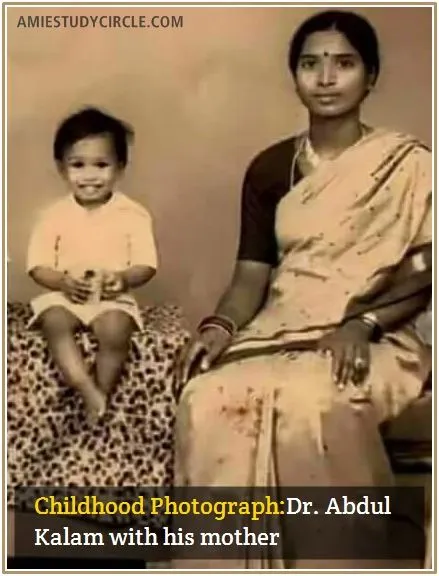
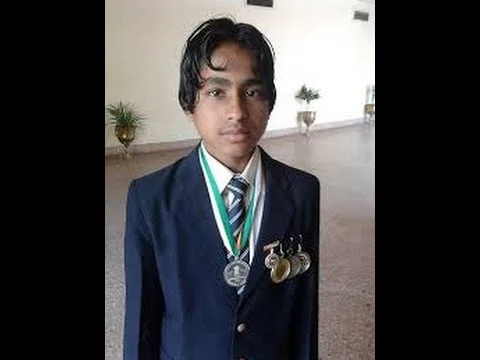
From a young age, Kalam was curious, hardworking, and determined. To support his family’s income, he delivered newspapers before school, yet never allowed poverty to hinder his education. His fascination with flight and science began early, inspired by the sight of birds soaring freely over the ocean.
Kalam’s journey was not without challenges — limited financial resources meant he had to rely on scholarships and part-time work to continue his studies. Despite facing rejections and failures, including missing the Indian Air Force pilot selection by a narrow margin, he never gave up. Instead, he turned setbacks into stepping stones, channeling his energy into becoming a scientist.
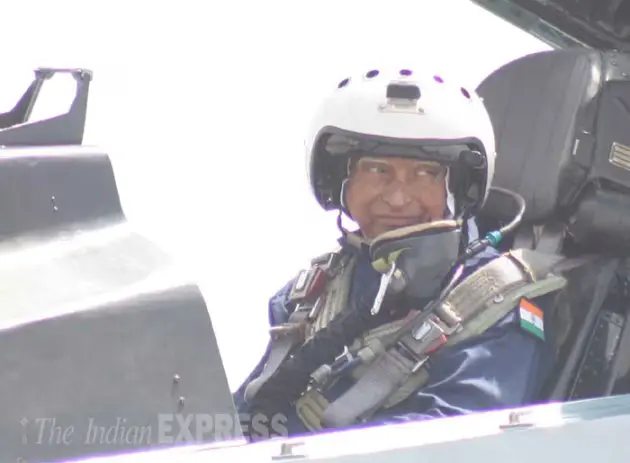
This resilience, forged through hardship and discipline, laid the foundation for his extraordinary achievements in the years to come. His life reminds us that no dream is too big when pursued with courage, faith, and relentless effort.
The Turning Point :
The Recognition & Award :
Dr. A. P. J. Abdul Kalam’s life was adorned with numerous honors that reflected his brilliance, humility, and service to the nation. His unwavering dedication to science, technology, and education made him one of the most respected figures in India and across the world.
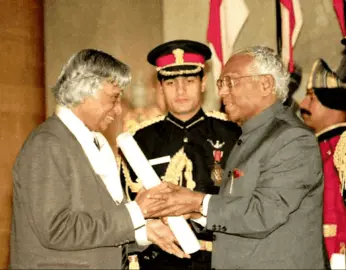
- Padma Bhushan (1981): Awarded for his outstanding contribution to India’s defense and space research.
- Padma Vibhushan (1990): Honored for advancing missile technology and promoting national security.
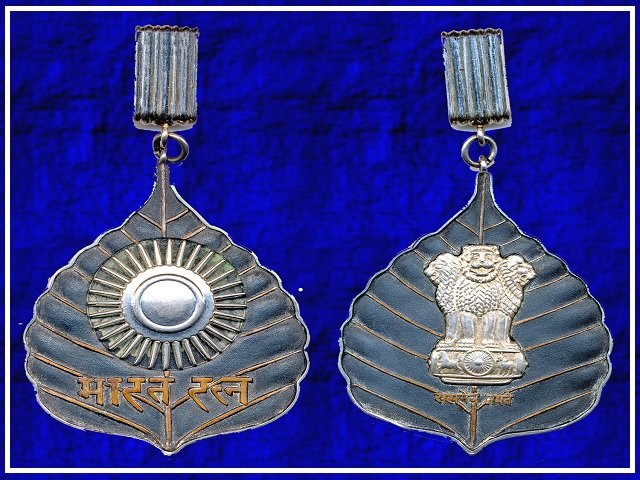
- Bharat Ratna (1997): India’s highest civilian award, recognizing his lifelong service to science, innovation, and youth empowerment.
- King Charles II Medal (2007): Conferred by the Royal Society, U.K., for his contribution to science and public service.
- Honorary Doctorates: Received from more than 40 universities worldwide for his contributions to space and defense research.
Even after becoming President of India (2002–2007), Dr. Kalam remained a lifelong learner and teacher, inspiring students and scientists alike. His awards were not just symbols of success, but reflections of his belief that “true honor lies in serving humanity.”
What Changed After the Awards :
Receiving the Bharat Ratna in 1997 marked a new chapter in Dr. A. P. J. Abdul Kalam’s life — one where he transitioned from being a national scientist to becoming a global icon of inspiration. Rather than slowing down, the recognition only fueled his passion to educate, innovate, and uplift India’s youth.
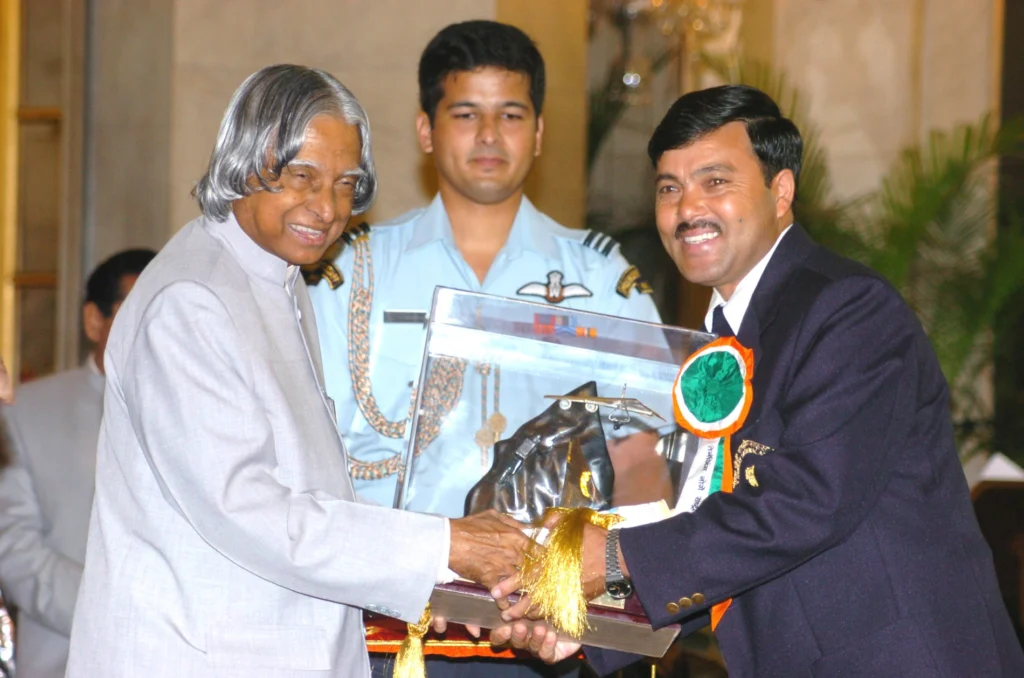
Here’s how his life evolved after the awards:
- Global Recognition: Dr. Kalam became a respected figure internationally, invited by global institutions to share his vision on science, peace, and leadership.
- The Teacher of the Nation: Post-award, he devoted his life to teaching, visiting schools and universities to inspire students to dream big and serve the nation.
- Author & Visionary: He wrote bestselling books like “Wings of Fire,” “Ignited Minds,” “India 2020,” and “My Journey,” motivating readers across generations.
- The People’s President (2002–2007): His presidency was marked by humility, accessibility, and a futuristic vision for India’s growth.
- Vision 2020: He launched the “India Vision 2020” plan, focusing on transforming India into a developed nation through science, innovation, and education.
- Legacy of Simplicity: Even after achieving the highest honors, he continued to live simply, carrying only two bags — one with clothes and another with books.
- Inspiration Beyond Life: His passing in 2015 while delivering a lecture symbolized his lifelong mission — to enlighten young minds until his last breath.
Dr. Kalam’s post-award years turned his personal success into a national movement of hope, courage, and education — proving that true greatness lies in giving back.
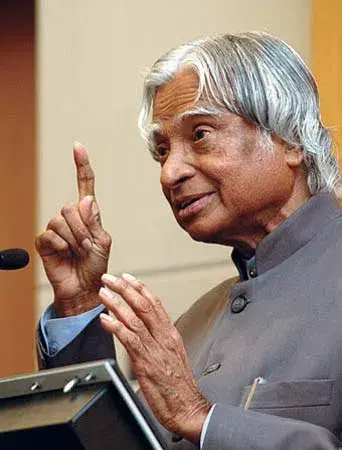
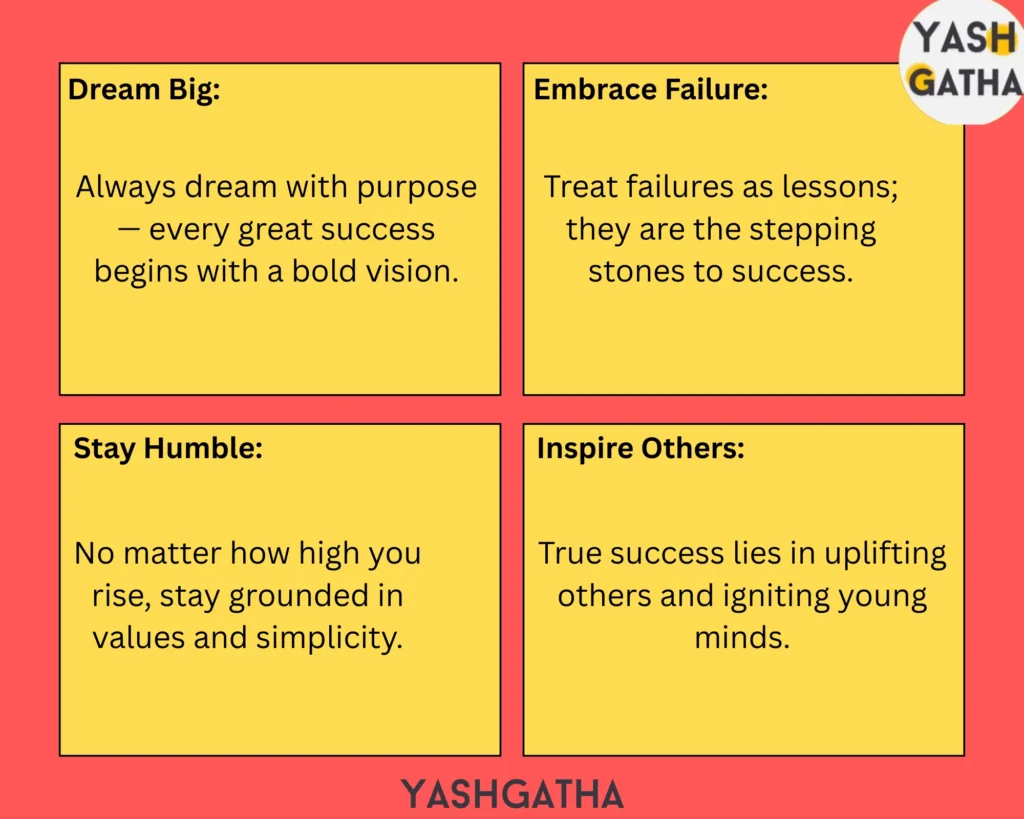
Takeaways :
Related posts:
 Major Hoshiar Singh Dahiya: The Fearless Hero Who Turned the Tide of the 1971 War
 How Maulana Abul Kalam Azad Changed India Forever – The Hidden Story of the Education Revolution.
 Why Purushottam Das Tandon is Called the Iron Man of Hindi – A Journey from Freedom Struggle to Bharat Ratna
 Vallabhbhai Patel: The Iron Man Who United India – Secrets of His Leadership Revealed