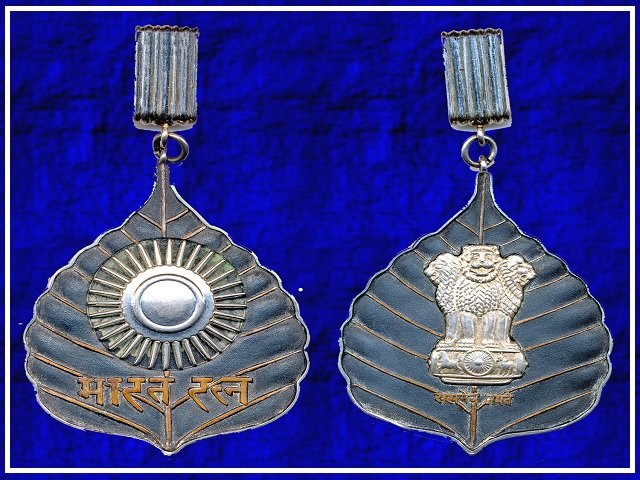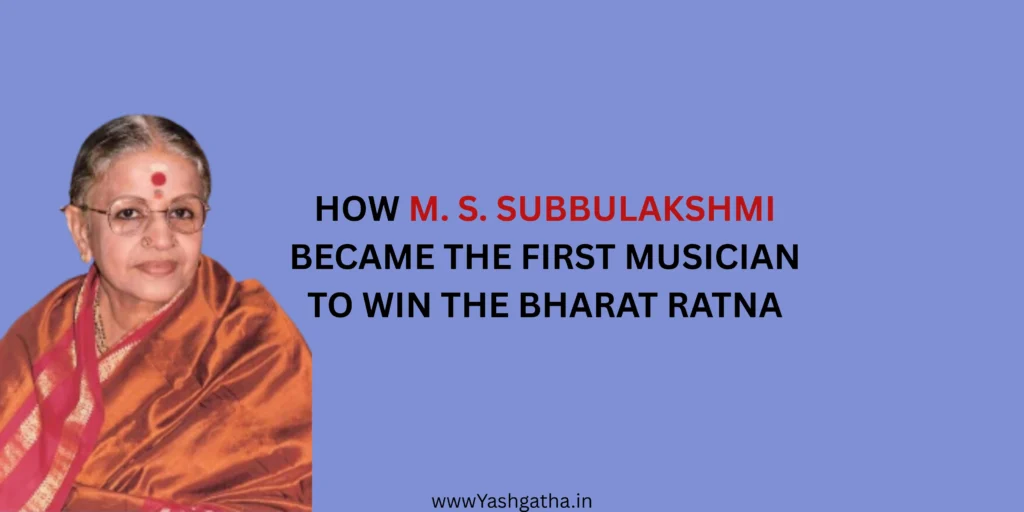
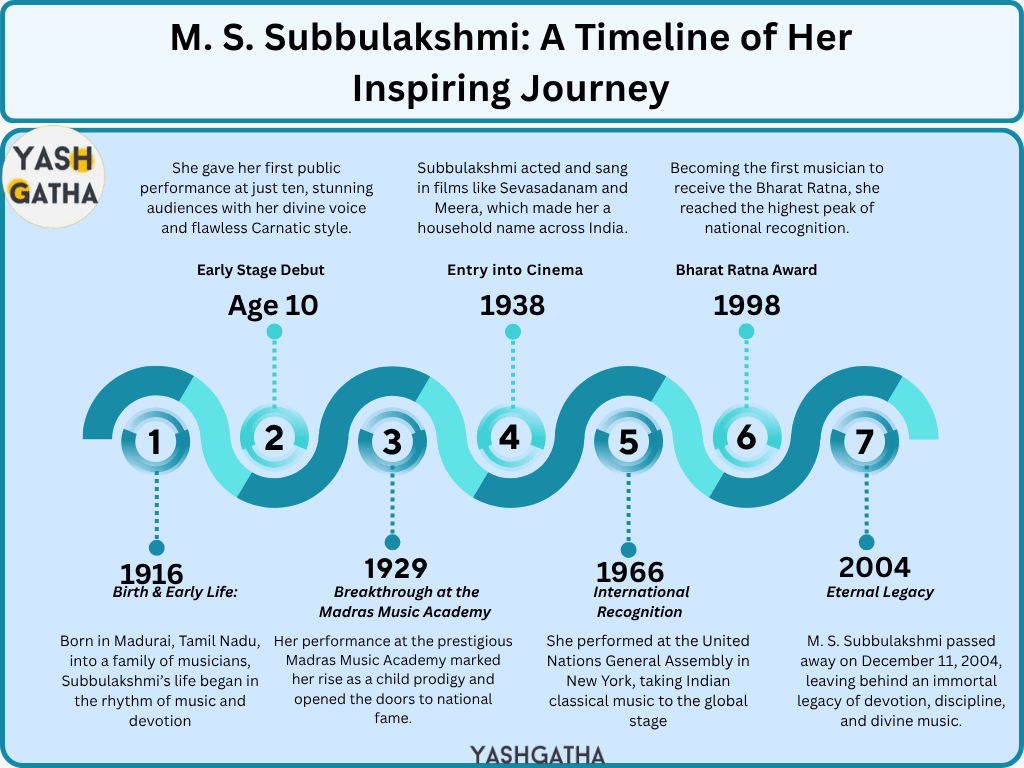
M. S. Subbulakshmi, born in Madurai, Tamil Nadu, was a legendary Carnatic vocalist who became the first musician to receive the Bharat Ratna in 1998. Celebrated globally for her devotional and classical renditions, she brought Indian music to international platforms like the United Nations, earning titles such as “The Queen of Music” and “Nightingale of Devotion.”
Born in the temple town of Madurai, M. S. Subbulakshmi rose from humble beginnings to become the first musician to receive India’s highest civilian honor, the Bharat Ratna. Known as the “Nightingale of India’s devotion”, her soulful voice transcended languages and borders. From mesmerizing audiences at the United Nations to redefining Carnatic music with divine grace, her journey remains an inspiring tale of discipline, faith, and timeless artistry.

Early Life & Challenges :
Born on September 16, 1916, in Madurai, Tamil Nadu, Madurai Shanmukhavadivu Subbulakshmi grew up surrounded by music and devotion. Her mother, Shanmukhavadivu, was a veena player who introduced her to classical music at an early age. Living in a modest home near the Meenakshi Temple, young Subbulakshmi often listened to temple bhajans and local musicians—sounds that shaped her divine voice.
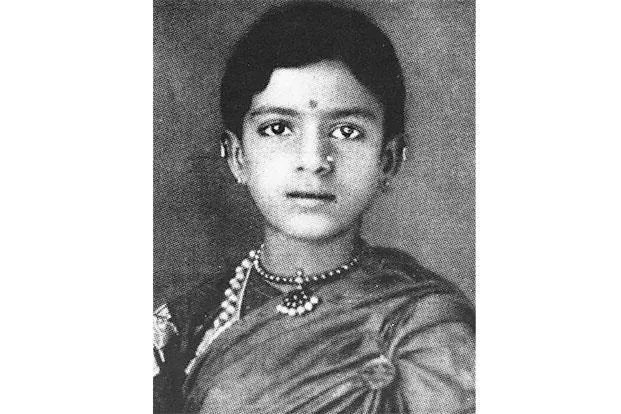
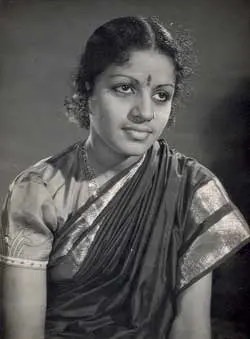
But her journey to fame was not easy. In the early 20th century, the world of Carnatic music was dominated by men, and women performers faced social prejudice and limited opportunities. Financial struggles added to the family’s hardships, forcing her mother to perform in temple festivals to make ends meet. Despite these challenges, Subbulakshmi’s determination never wavered. By the age of 10, she was already performing in small concerts, astonishing audiences with her purity of tone and emotional depth.
Her early struggles built the foundation of her humility, discipline, and devotion—qualities that would later make her a global icon of Indian classical music.
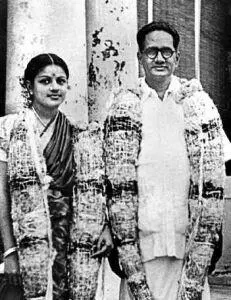
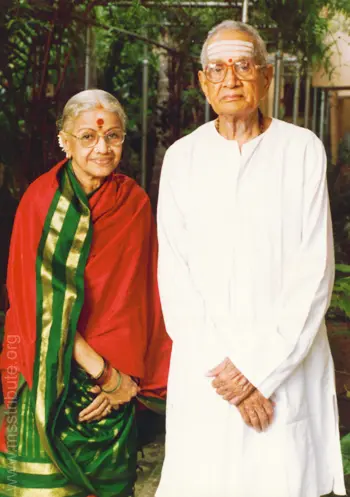
The Turning Point :
The Recognition & Award :
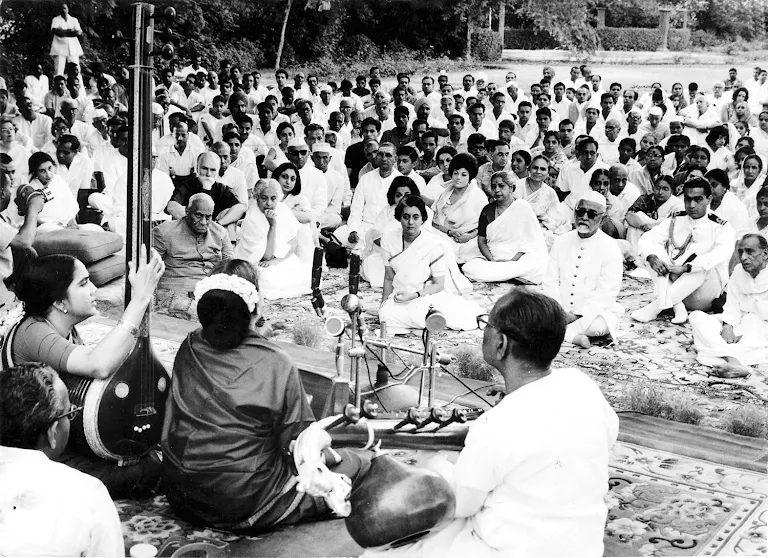
Throughout her remarkable career, M. S. Subbulakshmi received some of the highest national and international honors ever bestowed upon an artist. Her contributions to Indian classical and devotional music not only won hearts but also earned her a place among the greatest cultural icons of India.
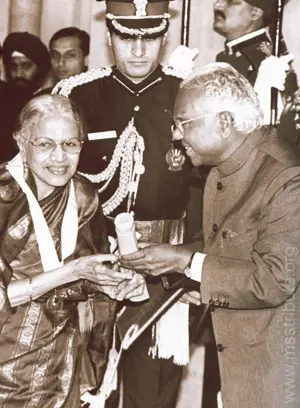
- Padma Bhushan (1954): Recognized for her outstanding contribution to Indian classical music.
- Padma Vibhushan (1975): Honoring her lifelong dedication to Carnatic music and cultural service.
- Ramon Magsaysay Award (1974): Often called Asia’s Nobel Prize — she was the first Indian musician to receive it, highlighting her impact beyond borders.
- Bharat Ratna (1998): India’s highest civilian award, making her the first musician ever to receive this honor.
Her achievements were not limited to awards alone — she was celebrated globally as the “Voice of India” and became a symbol of purity, devotion, and musical excellence. Even world leaders and spiritual masters admired her for using music as a bridge of peace and humanity.
What Changed After the Awards :
After receiving the BharatRatna and other prestigious honors, M. S. Subbulakshmi’s life took on a deeper spiritual and humanitarian meaning. Fame never altered her simplicity — she continued to live a life of devotion, humility, and service through music.
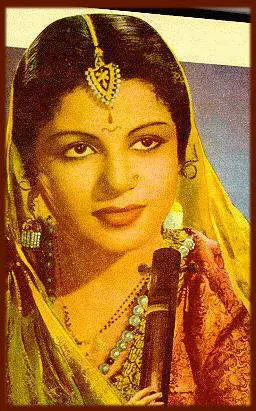
Here’s how her life evolved after the awards:
- Shift Toward Devotional Music: She began focusing more on bhajans and spiritual songs like Vishnu Sahasranamam, Bhaja Govindam, and Meera Bhajans, which became household prayers across India.
- Philanthropy Through Music: Subbulakshmi donated the proceeds from nearly all her concerts to charities, hospitals, and educational trusts.
- Global Peace Advocate: Her songs carried messages of peace, unity, and compassion, earning her recognition as a cultural ambassador of India.
- Inspiration for Future Artists: Many upcoming singers, especially women, saw her as a symbol of dedication, breaking barriers in the male-dominated classical world.
- Retirement & Spiritual Life: In her later years, she withdrew from public performances, dedicating her time to meditation, prayer, and service until her passing in 2004.
Even after the awards, her humility remained untouched. She never viewed fame as an achievement but as a blessing from the divine — a reflection of her belief that music was her form of worship.
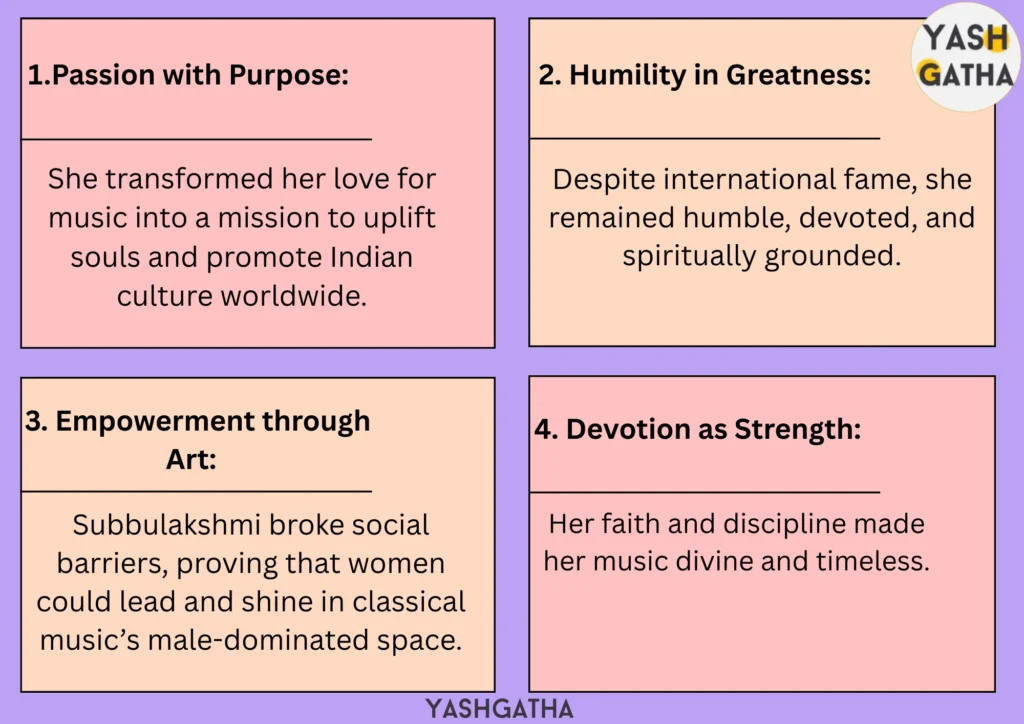
Yashgatha Takeaways :
Related posts:
 Bharat Ratna: The Complete List of India’s Highest Civilian Awardees
 From Village Boy to Bharat Ratna: The Untold Story of M. Visvesvaraya
 Jawaharlal Nehru: Childhood, Freedom Struggle, and Bharat Ratna Achievements
 Why Purushottam Das Tandon is Called the Iron Man of Hindi – A Journey from Freedom Struggle to Bharat Ratna