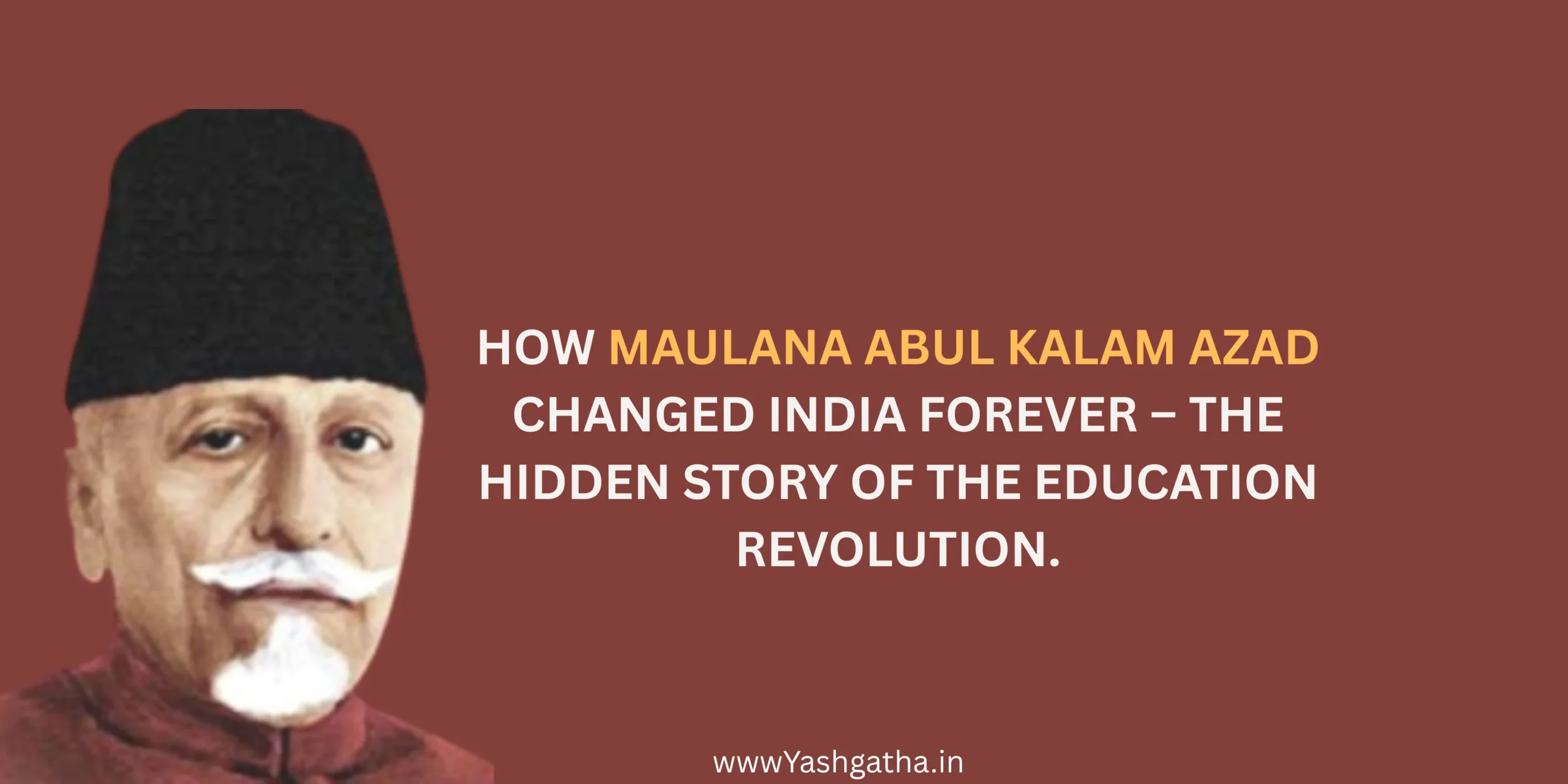
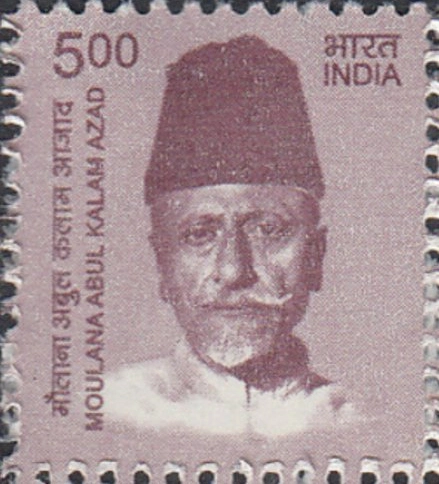
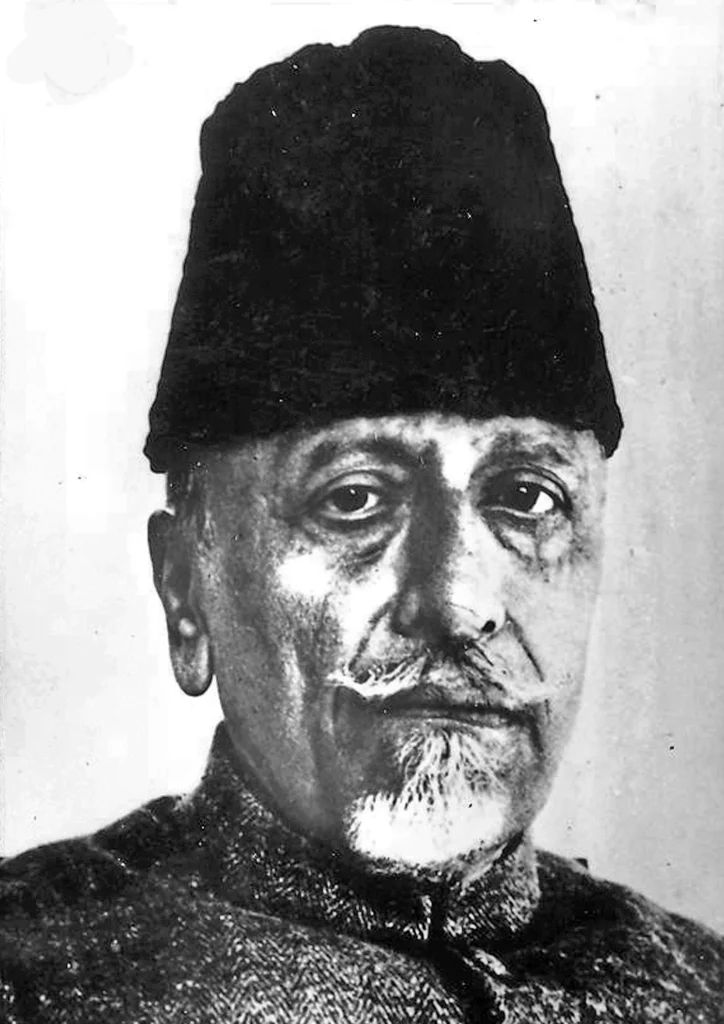
Maulana Abul Kalam Azad, born in Mecca and raised in Kolkata, was a revolutionary freedom fighter, scholar, and India’s first Minister of Education. Honored with the Bharat Ratna in 1992, his unmatched contribution to education, literature, and national unity made him one of India’s most respected leaders. Known for his wisdom and vision, he once said, “My life is my message,” reflecting his lifelong dedication to knowledge, secularism, and the empowerment of youth.
Maulana Abul Kalam Azad was not just a freedom fighter — he was the architect of India’s education revolution. As India’s first Education Minister, Azad dreamed of a nation where knowledge would break the chains of ignorance and inequality. From leading the fight for independence alongside Mahatma Gandhi to laying the foundation for institutions like the IITs and UGC, his legacy continues to shape every Indian classroom today.
Dive into the untold story of a man who believed that “education is the real freedom” — a visionary who turned his ideals into India’s educational backbone.
Early Life & Challenges :
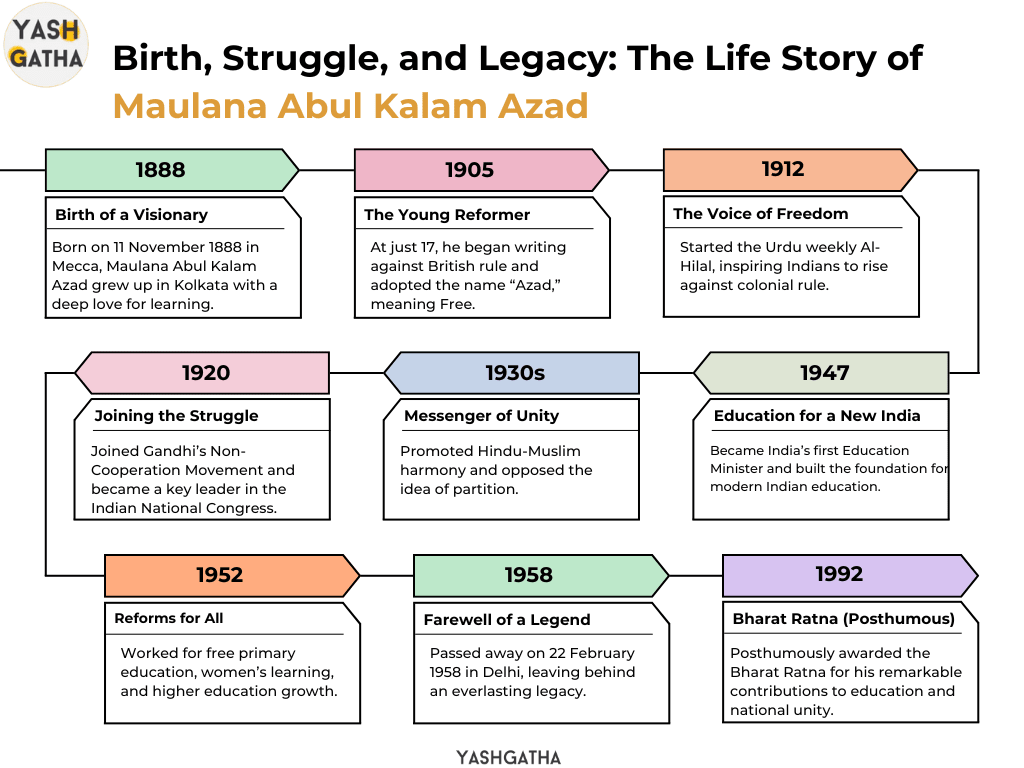
Maulana Abul Kalam Azad was born on 11 November 1888 in Mecca, during his parents’ pilgrimage, but his family soon settled in Calcutta (now Kolkata), India — a city that would shape his intellect and ideals. Coming from a deeply religious and scholarly family, Azad’s father, Maulana Khairuddin, was a noted Islamic scholar, while his mother was of Arab descent. Surrounded by knowledge and discipline, young Azad displayed extraordinary intelligence from an early age — he memorized the Qur’an by the age of 11 and mastered Arabic, Persian, Urdu, and later English.
Despite his scholarly background, Azad’s childhood was not without challenges. He lost his father at a young age, which left him emotionally and financially burdened. Yet, instead of giving in to despair, he found strength in learning. While most boys his age played outside, Azad immersed himself in books on theology, philosophy, science, and literature, developing a keen sense of curiosity that set him apart.
The social and political climate of British-ruled India also left a deep mark on him. Witnessing oppression and inequality inspired Azad to question blind traditions and dream of a free and educated India. His early writings under the pen name “Azad,” meaning free, reflected his rebellious spirit and his quest for truth and justice.
Even when faced with imprisonment and censorship for his revolutionary articles and speeches, Azad’s determination never wavered. He believed education was the only weapon strong enough to fight ignorance and colonial domination. These early struggles and experiences laid the foundation for the visionary leader who would later transform India’s education system and shape the country’s intellectual future.
The Turning Point :
The Recognition & Award :
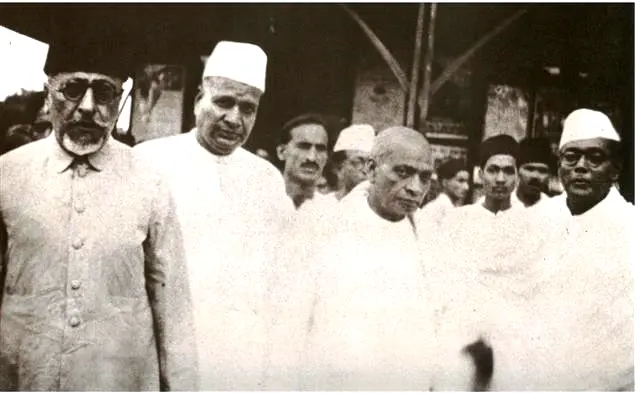
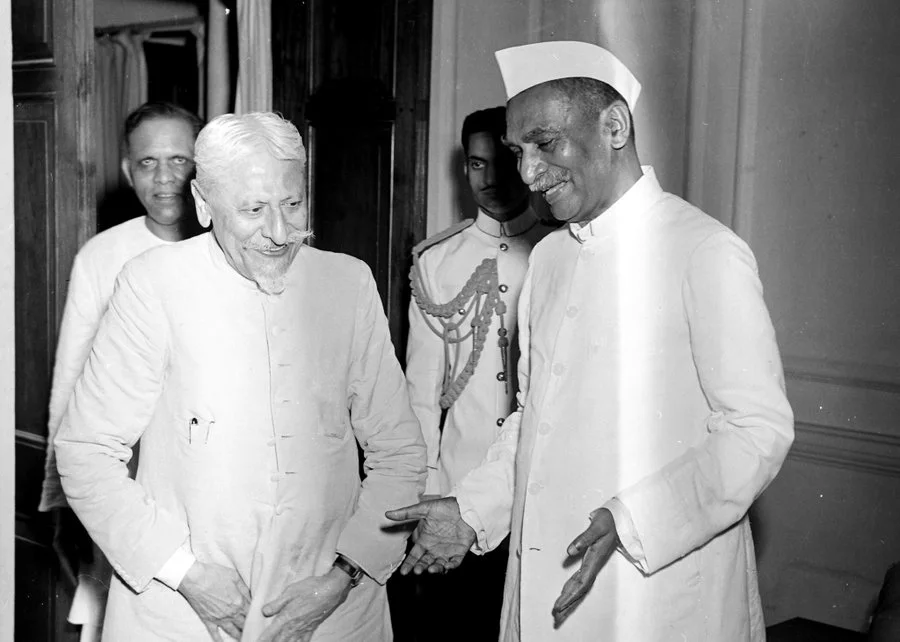
Maulana Abul Kalam Azad was posthumously honored with the Bharat Ratna in 1992, India’s highest civilian award. The award recognized his extraordinary contribution to education, literature, and national unity. As India’s first Education Minister, he established key institutions like the UGC, IITs, and AICTE, shaping India’s academic future. His vision for free and quality education for all continues to guide India’s education policies today. Every year, 11 November, his birth anniversary, is celebrated as National Education Day in India — a tribute to his legacy.
What Changed After the Awards :
- The Bharat Ratna honor in 1992 revived national admiration for Maulana Abul Kalam Azad’s lifelong mission in education.
- Schools, universities, and scholarships were named after him to continue his vision.
- His writings and speeches gained renewed attention among students and historians.
- The government strengthened education reforms inspired by his policies and ideals.
- National Education Day began to be celebrated every year on 11 November in his memory.
- His name became a symbol of knowledge, secularism, and unity across India.
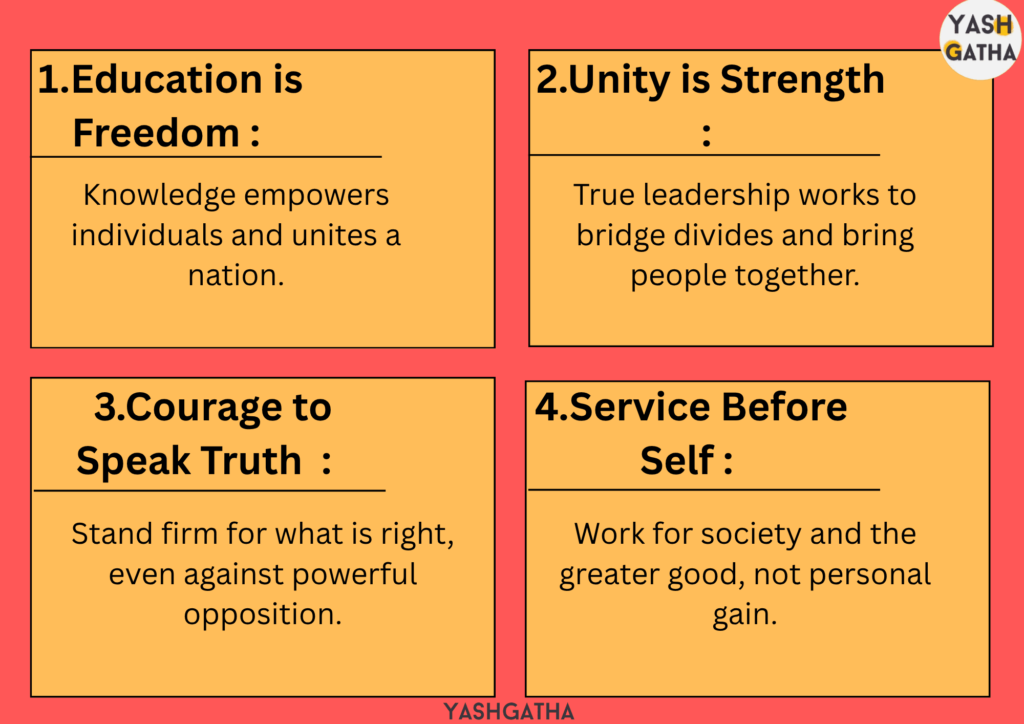
Yashgatha Takeaways:
Related posts:
 Aruna Asaf Ali: The Woman Who Defied the British and Lit India’s Freedom Flame
 Bharat Ratna: The Complete List of India’s Highest Civilian Awardees
 Dhondo Keshav Karve: The Forgotten Hero Who Built India’s First Women’s University
 Indira Gandhi Biography: Untold Story of India’s Iron Lady Who Changed World Politics